Boron: The Overlooked Trace Mineral, the USDA Studies, Hormones, Bones, Joints, and Safety
Disclosure: StayWellAware may earn a commission if you buy through links on this page, at no extra cost to you. It never affects what we recommend. Read our full disclosure.
Not medical advice. This guide is for general information. Talk to your doctor, pharmacist, or other clinician before taking boron, especially if you are pregnant or breastfeeding, have kidney disease, have a hormone-sensitive condition (such as breast, uterine, ovarian or prostate cancer, or endometriosis), or take hormone therapy. Never swallow borax, boric acid powder, or boric acid vaginal capsules. Those are not dietary supplements, and swallowing them can poison you. If someone has swallowed one, call Poison Control (1-800-222-1222 in the US) or emergency services.
Boron is the mineral almost nobody thinks about. It isn’t on the Nutrition Facts label. It has no official daily requirement. Most doctors never mention it. Yet it turns up in supplement aisles in bone formulas, joint products and “testosterone boosters,” and in online forums people describe it as a forgotten key to strong bones and pain-free joints.
The real story sits somewhere between those two pictures. Boron is clearly active in the body. A small set of careful studies, most of them run at a US Department of Agriculture nutrition lab in North Dakota, found that very low boron diets changed how people handled calcium and magnesium, shifted hormone levels, and even slowed reaction times. At the same time, boron has never been shown to be essential for humans, the trials are small, and much of the excitement rests on a handful of studies from the 1980s and 1990s.
This guide covers where boron came from as a health topic, what it seems to do, how much people eat, the USDA research, what studies show for hormones, bone, joints and other uses, a “Beyond the mainstream” section on the less conventional claims, and the safety limits that matter.
The short version
- Boron is a trace element, not an officially essential nutrient. No biological job has been pinned down for it in humans, so there is no RDA or Adequate Intake (NIH ODS, 2022).
- Most people get about 1 mg a day, mostly from fruit, nuts, beans, coffee and milk (NIH ODS, 2022; Rainey et al., 1999).
- The best-known human research came from the USDA. In a 1987 study of 12 postmenopausal women, adding 3 mg a day to a very low-boron diet cut urinary calcium and magnesium losses and raised estrogen and testosterone levels (Nielsen et al., 1987).
- Hormone, bone and joint effects are possible but unproven. The trials are small and short, and some negative trials get less attention than the positive ones.
- Joint research is the most active area, mainly with a form called calcium fructoborate. Small trials found less knee discomfort over two weeks (Pietrzkowski et al., 2014).
- There is a safety ceiling. The US upper limit for adults is 20 mg a day. Europe’s is 10 mg a day (NIH ODS, 2022; EFSA, 2025).
- Borax and boric acid are not supplements. Swallowed, they can cause vomiting, diarrhea, rash and, in very large amounts, death (NIH ODS, 2022).
A short history of boron
From Tibetan lakes to the periodic table
People used boron compounds long before anyone knew boron existed. For centuries, the only source of borax was crystal deposits from a lake in Tibet, and goldsmiths used it as a flux (Royal Society of Chemistry). The element itself was first extracted in 1808, independently, by Louis-Josef Gay-Lussac and Louis-Jacques Thénard in Paris and by Humphry Davy in London. They heated borax with potassium metal. Neither actually produced the pure element, which is almost impossible to obtain (Royal Society of Chemistry). The name comes from the Arabic word for borax (Royal Society of Chemistry).
Today boron is everywhere in daily life. Boron compounds show up in eye drops, mild antiseptics, washing powders and tile glazes. Boric oxide is used to make borosilicate glass, the kind sold as Pyrex. Borax was once used to make bleach and as a food preservative (Royal Society of Chemistry).
The Poison Squad and borax in food
That last use led to one of the strangest experiments in American food history. In December 1902, Harvey Wiley, the chief chemist at the US Department of Agriculture, began feeding a group of young male volunteers measured amounts of food preservatives to see whether they harmed digestion and health. The study was officially called the “Hygienic Table,” but the press nicknamed the volunteers the “Poison Squad” (National Library of Medicine; FDA).
Borax was the first preservative the squad was tested on (Wiley, 1904). Wiley’s research found that additives such as borax, salicylic acid and formaldehyde were harmful (National Library of Medicine). He became convinced that chemical preservatives should be used in food only when necessary, that the burden of proving safety should fall on the producer, and that none should be used without telling the consumer on the label. Those became basic principles of US food law (National Library of Medicine), starting with the Food and Drugs Act signed on June 30, 1906 (FDA).
So for much of the 20th century, boron was mostly seen as something to keep out of food, not something people needed.
Plants need it, so what about people?
Plant scientists had long known that boron is a structural part of plant cell walls and is required for plant growth, pollination and seed formation (NIH ODS, 2022). The question was whether animals needed it too.
The modern story begins at the USDA’s Grand Forks Human Nutrition Research Center in North Dakota, where Forrest Nielsen, C. D. Hunt and colleagues studied trace elements. Hunt later wrote that much of the interest in boron for animals began with one finding: small, realistic amounts of boron stimulated growth in chicks that were short on vitamin D, but didn’t do much in chicks with enough vitamin D (Hunt, 1994). That suggested boron affected vitamin D metabolism, or worked alongside it.
Later chick studies backed this up. In chicks fed too little vitamin D, adding boron brought blood sugar and triglycerides back toward normal and seemed to help growth plate cartilage mature (Hunt et al., 1994).
The 1987 study that put boron on the map
In 1987, Nielsen and colleagues published the first study of boron nutrition in people. Twelve postmenopausal women, aged 48 to 82, lived in a metabolic unit where every bite of food was controlled. For 119 days they ate a diet that supplied only about 0.25 mg of boron a day. Then they got a 3 mg daily boron supplement for 48 days (Nielsen et al., 1987; Nielsen, 1994).
Adding boron:
- markedly reduced how much calcium and magnesium the women lost in their urine
- markedly raised blood levels of 17-beta estradiol (the main form of estrogen) and testosterone
- had stronger effects when the diet was also low in magnesium
The authors concluded that adding the amount of boron found in diets rich in fruits and vegetables caused changes “consistent with the prevention of calcium loss and bone demineralization” (Nielsen et al., 1987).
That sentence launched a supplement category. Within a few years, boron was being sold to postmenopausal women for bones and to bodybuilders for testosterone. As you’ll see below, those leaps went well beyond what the study showed.
R. E. Newnham and the arthritis theory (practitioner lore)
Around the same time, a very different boron story was spreading. A researcher named R. E. Newnham had suggested as early as 1979 that boron deficiency in food might cause some arthritis (Newnham, 1991).
According to Newnham’s own account, the evidence started with him. He wrote that “boron supplementation alleviated arthritic pain and discomfort of the author,” beginning in 1963 (Newnham, 1994). He then visited Jamaica, Mauritius, Fiji and Israel to measure boron in local foods. He suspected that heavy use of chemical fertilizers on sugar-growing land had damaged the soil. He reported low boron in food grown on those soils and high boron in Israeli foods, which he linked to less arthritis there (Newnham, 1991).
In a 1994 paper, he summarized his case. In parts of the world where people eat 1 mg of boron a day or less, he estimated, arthritis affects 20% to 70% of people. Where intakes run 3 to 10 mg a day, he estimated 0% to 10% (Newnham, 1994). He also described surgeons’ observations that bones from patients taking boron were “much harder to cut” (Newnham, 1994). In 2004, he published an article titled “Discovering the cure for arthritis” (Newnham, 2004).
How to read this: Newnham’s story is an important part of boron’s history, and his ideas helped launch real trials. But his starting evidence was his own experience, his country comparisons were rough estimates that didn’t account for age, genetics, diagnosis or many other differences, and the surgeons’ observations were anecdotes. We present these as historical and practitioner claims, not established facts. The controlled trials that followed are covered in the research section.
What boron does in the body
Absorbed easily, kept in balance
Most boron you eat is turned into boric acid in your gut, and your body absorbs about 85% to 90% of it (NIH ODS, 2022). Boric acid is the main form in blood and urine. Boron doesn’t build up in most tissues, though bone, nails and hair hold more than other tissues (NIH ODS, 2022).
Blood boron levels don’t change much even when intake rises a lot, which suggests the body keeps boron in balance, probably by getting rid of extra in the urine. How it does that isn’t known (NIH ODS, 2022). In the vitamin D chick study, a ninefold increase in dietary boron only doubled plasma boron and didn’t raise boron in bone (Hunt et al., 1994).
Why it isn’t officially essential
A nutrient is called essential when a lack of it causes a specific problem that goes away when it’s given back, and ideally when scientists know what job it does. Boron hasn’t cleared that bar in humans because no clear biological function has been found (NIH ODS, 2022).
That doesn’t mean it does nothing. Forrest Nielsen has argued that boron is a “bioactive beneficial element.” His evidence includes deprivation studies showing that some animals need boron to complete their life cycle, and that realistic low intakes harm bone health, brain function and immune response (Nielsen, 2008). In one line of research, African clawed frogs fed a low-boron diet produced many dead eggs and embryos, and none of the larvae from boron-deficient parents raised in low-boron water developed normally (Fort et al., 2002).
In 2004, researchers identified a protein called NaBC1 that moves borate into cells. At low levels, borate stimulated cell growth through this transporter, and at high levels it was toxic (Park et al., 2004). That’s one more sign that human cells are set up to handle boron.
What it may influence
The NIH Office of Dietary Supplements lists possible roles for boron in reproduction and development, calcium metabolism, bone formation, brain function, insulin and energy metabolism, immunity, and the action of steroid hormones, including vitamin D and estrogen (NIH ODS, 2022). The word to notice is possible. Most of these come from animal studies or from small human studies.
Food sources, with amounts
Plant foods, especially fruit, tubers, legumes and nuts, contain the most boron. Wine, cider and beer contain some too (NIH ODS, 2022). In the US, the biggest sources in the diet are coffee, milk, apples, beans and potatoes. That’s not because they’re rich in boron but because people consume so much of them (NIH ODS, 2022). An analysis of US diets found the two top contributors, coffee and milk, are low in boron but made up 12% of total intake by sheer volume. Among high-boron foods were peanut butter, wine, raisins, peanuts and other nuts (Rainey et al., 1999).
| Food | Boron (mg) per serving |
|---|---|
| Prune juice, 1 cup | 1.43 |
| Avocado, raw, cubed, ½ cup | 1.07 |
| Raisins, 1.5 ounces | 0.95 |
| Peach, 1 medium | 0.80 |
| Grape juice, 1 cup | 0.76 |
| Apple, 1 medium | 0.66 |
| Pear, 1 medium | 0.50 |
| Peanuts, roasted, salted, 1 ounce | 0.48 |
| Refried beans, ½ cup | 0.48 |
| Peanut butter, 2 tablespoons | 0.46 |
| Orange, 1 medium | 0.37 |
| Broccoli, boiled, chopped, ½ cup | 0.20 |
| Banana, medium | 0.16 |
| Coffee, 1 cup | 0.07 |
| Milk, whole, 1 cup | 0.04 |
| Chicken breast, broiled, ½ breast | 0.03 |
| Bread, white, 1 slice | 0.01 |
Source: NIH Office of Dietary Supplements (NIH ODS, 2022).
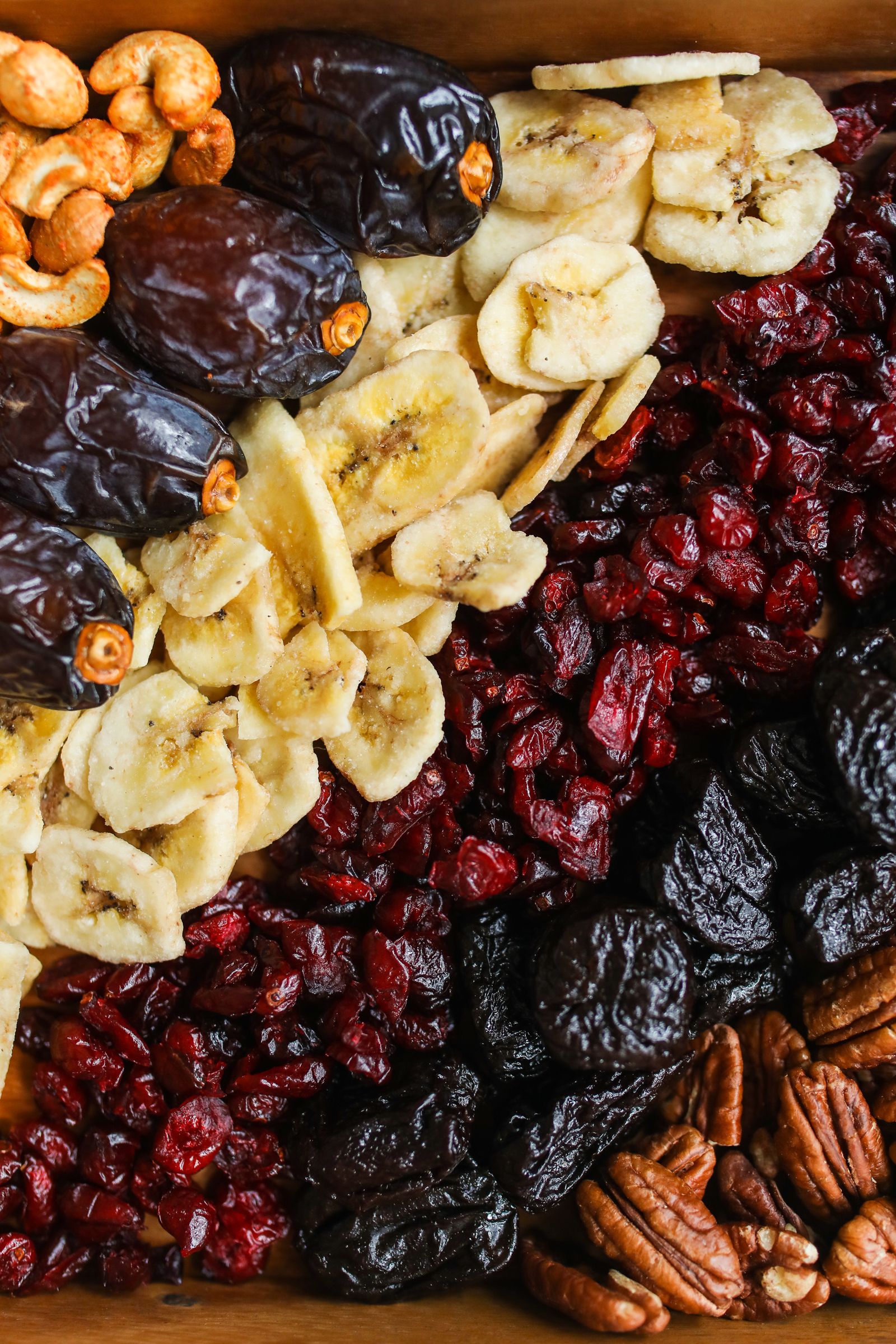
A few things stand out. Animal foods have very little boron. A day with an avocado, a handful of raisins, an apple and some peanut butter can easily supply 3 mg, the amount used in many studies. A typical low-produce diet supplies well under 1 mg.
Soil and water matter
The boron in plant foods depends partly on the soil and water where they grew. Rain washes boron out of soil, so places like Brazil, Japan and most of the United States have boron-poor soils. Dry regions, including California and parts of Turkey, Argentina, Chile, Russia, China and Peru, have more (NIH ODS, 2022). The median boron level in US drinking water is about 0.031 mg per liter (NIH ODS, 2022).
This is why studies of boron’s effects in people often come from western Turkey, northeast China and the Argentinian Andes, where natural boron exposure is very high (Bolt et al., 2020).
How much do people actually get?
US surveys show median intakes of about 0.87 to 1.35 mg a day in adults (NIH ODS, 2022). A detailed analysis of more than 11,000 Americans found median intakes of 1.02 mg a day in men and 0.83 mg in women. Vegetarians ate more: 1.30 mg for men and 1.00 mg for women (Rainey et al., 1999). In Germany, people whose diets scored higher on a healthy plant-based index had higher blood boron, and higher blood boron went along with lower BMI and a healthier heart-risk profile, though that kind of study can’t show cause (Weber et al., 2022).
How much boron do you need?
No official requirement
The Food and Nutrition Board found the data too thin to set an RDA, an Adequate Intake or an Estimated Average Requirement for boron (NIH ODS, 2022). Because of that, boron has no Daily Value, and food labels don’t list it (NIH ODS, 2022).
The World Health Organization has estimated an acceptable safe range of boron intake for adults of 1 to 13 mg a day (NIH ODS, 2022). Nielsen has argued that dietary guidance is justified and suggested the same range, noting that many people don’t consistently eat more than 1 mg a day (Nielsen, 1998).
What the studies used
Most human studies of boron used 3 mg a day, roughly what a produce-rich diet supplies. A 2020 review of bone studies settled on 3 mg a day as a reasonable supplemental dose (Rondanelli et al., 2020). Some joint and hormone studies used 6 to 12 mg a day, and a few used 10 mg (NIH ODS, 2022; Naghii et al., 2011).
Upper limits
| Age | US upper limit (UL) | European UL |
|---|---|---|
| 0–12 months | Not set (food and formula only) | Not set |
| 1–3 years | 3 mg | 3 mg |
| 4–8 years | 6 mg | 4 to 5 mg (ages 4–10) |
| 9–13 years | 11 mg | 7 mg (ages 11–14) |
| 14–18 years | 17 mg | 9 mg (ages 15–17) |
| Adults (including pregnancy and breastfeeding) | 20 mg | 10 mg |
Sources: NIH ODS and EFSA (NIH ODS, 2022; EFSA, 2025).
Both limits were based on animal studies. The US limit was set from reproductive and developmental effects in animals (NIH ODS, 2022). Europe’s lower 10 mg limit was based on the level that didn’t reduce fetal body weight in pregnant rats (EFSA, 2005). These limits cover boron from all sources, including food.
Inside the USDA boron studies
The 1987 paper was only the first of several human boron studies at the Grand Forks center. Looking at them together shows both why researchers got excited and why the findings are hard to apply to everyday life.
The follow-up studies
Nielsen’s team ran two more controlled studies with the same basic design. In the second, five men over 45, four postmenopausal women and five postmenopausal women taking estrogen ate a low-boron diet (about 0.23 mg a day) for 63 days, then the same diet plus 3 mg of boron a day for 49 days. That diet was also low in magnesium and only marginally adequate in copper. The third study used the same design with a diet adequate in magnesium and copper (Nielsen, 1994).
Across those studies:
- Boron intake changed markers of copper metabolism. Plasma copper, the copper-carrying protein ceruloplasmin, and the antioxidant enzyme superoxide dismutase were higher when people were getting boron than when they were deprived (Nielsen, 1994).
- Estrogen therapy raised blood estradiol and copper, and boron deprivation blunted those increases (Nielsen, 1994).
Nielsen later summarized his view this way: boron deprivation studies in people, along with animal work, suggested that low intake affects bone, brain and immune function, so boron should be thought of as beneficial even if it hasn’t been proven essential (Nielsen, 2008). In a 2026 reflection on his career, Nielsen described how he came to start the study of boron as a possibly essential nutrient (Nielsen, 2026).
Boron and the brain
J. G. Penland, a researcher at the same center, measured brain activity and mental performance in older men and women during these diets. He compared about 0.25 mg of boron a day with about 3.25 mg a day in three studies (Penland, 1994).
On the low-boron diet:
- EEG recordings in two of three studies showed a shift toward slower brain waves, a pattern also seen with general malnutrition and heavy metal toxicity.
- People did worse on tasks involving manual dexterity, eye-hand coordination, attention, perception, short-term memory and, in one study, long-term memory.
Penland concluded that boron “may play a role in human brain function and cognitive performance” (Penland, 1994).
What these studies can and can’t tell you
These were careful studies. People lived in a metabolic unit with tightly controlled food, which is rare in nutrition research. That’s their strength.
But there are big limits:
- They were tiny. The first study had 12 people. The second had 14.
- The starting point was extreme. About 0.25 mg a day is far less than most people eat. Showing that adding boron to a boron-starved diet changes things is different from showing that adding boron to a normal diet helps.
- The diets had other quirks. Several were low in magnesium or marginal in copper on purpose, which made boron’s effects easier to see.
- They measured markers, not outcomes. Less calcium in urine and higher estrogen are signals. They don’t show fewer fractures or better long-term health.
So the fair reading is that boron clearly does something in the body, and very low intakes may be a problem. Whether extra boron helps people already eating a typical diet is a separate question, and that’s where the trials below come in.
What the research shows, use by use
Each section gives an evidence grade:
- Strong: consistent results from large randomized trials or meta-analyses
- Moderate: several decent trials, mostly agreeing
- Limited: a few small or short trials, or mixed results
- Weak: mostly observational, animal or lab data
Hormones: estrogen and testosterone — Evidence: Limited
This is where boron gets the most marketing, especially in “testosterone booster” products. The research is thin and mixed.
What supports a hormone effect:
- In the 1987 USDA study, 3 mg a day raised estradiol and testosterone in postmenopausal women coming off a very low-boron diet (Nielsen et al., 1987).
- In a study from Iran, eight healthy men took 10 mg of boron a day for a week. Free testosterone rose, estradiol fell, and markers of inflammation (hsCRP and TNF-alpha) dropped. Levels of sex hormone binding globulin (SHBG), the protein that ties up testosterone in the blood, fell within six hours of the first dose (Naghii et al., 2011).
What doesn’t:
- In a US trial, 19 male bodybuilders aged 20 to 27 took either 2.5 mg of boron or a placebo for seven weeks. Both groups gained testosterone, lean mass and strength from training. Boron added nothing (Ferrando & Green, 1993). The authors wrote that boron supplementation “affects these variables not at all” (Green & Ferrando, 1994).
Bottom line on hormones: Boron may shift hormone levels in some situations, especially when someone was low to begin with. The positive studies are tiny or very short, with no placebo group in the eight-man study. The one proper placebo-controlled trial in young men found no effect. That isn’t enough to recommend boron for raising testosterone or estrogen. People with hormone-sensitive conditions should be careful, since even a small hormone shift could matter for them.
Bone health — Evidence: Limited
Boron’s reputation as a bone mineral comes from the 1987 finding that it cut urinary calcium and magnesium loss (Nielsen et al., 1987), along with animal studies.
Animal evidence: Boron helped bone mineral content and growth plate development in vitamin D-deficient chicks (Hunt et al., 1994). According to the NIH, animals given boron supplements show better scores on some measures of bone strength than animals eating usual or small amounts (NIH ODS, 2022). But not every animal study agrees. In aged rats with their ovaries removed, a common model of postmenopausal bone loss, boron didn’t protect against bone loss (Gallardo-Williams et al., 2003).
Human evidence:
- A 10-month trial gave 3 mg of boron a day or placebo to 17 female college athletes and 11 sedentary women. Boron lowered blood phosphorus and raised blood magnesium in the sedentary women. Bone density didn’t change because of boron (Meacham et al., 1995; Meacham et al., 1994).
- A study of 134 Korean women, average age 41, eating about 0.9 mg a day, found that boron intake wasn’t significantly linked to bone mineral density (NIH ODS, 2022).
- A 2020 review of boron and bone gathered 11 studies and concluded that boron may support bone health, suggesting 3 mg a day as a reasonable supplement amount. The reviewers noted that more trials are needed (Rondanelli et al., 2020).
Bottom line on bone: Boron is promising in animals and changes mineral handling in people, but no trial has shown it raises bone density or prevents fractures in humans. If you want to protect your bones, the proven basics still come first: enough calcium, vitamin D and protein, weight-bearing exercise, not smoking, and medication when your doctor recommends it.
Osteoarthritis and joint discomfort — Evidence: Limited
Joint health is the most active area of boron research, and it grew directly out of Newnham’s ideas.
The first trial. A trial in Australia by Travers, Rennie and Newnham, published in 1990, gave 6 mg a day of boron (as sodium tetraborate) or a placebo to 20 people with osteoarthritis. Half of those on boron improved, compared with 10% on placebo (Pizzorno, 2015; Newnham, 1994). With 20 people, that’s a handful in each group, so the result could easily be chance.
Calcium fructoborate trials. Calcium fructoborate is a sugar-borate compound. Boron occurs in food partly as sugar-borate compounds like this one (NIH ODS, 2022). Several short trials have tested it:
- In a two-week double-blind pilot, 72 people with knee osteoarthritis started and 60 finished. Those taking calcium fructoborate had better inflammation markers, including C-reactive protein, than those on placebo (Scorei et al., 2011).
- In a US trial, 60 people with self-reported knee discomfort took 110 mg of calcium fructoborate twice a day or a placebo for 14 days. The fructoborate group reported less knee discomfort on standard pain and function scales at 7 and 14 days. The placebo group didn’t change (Pietrzkowski et al., 2014).
- The NIH also describes an eight-week study in 20 people with osteoarthritis. Those with mild to moderate disease took 6 mg of boron a day as calcium fructoborate, and those with severe disease took 12 mg. Joint stiffness and ibuprofen use went down and mobility went up, but the study had no blinding and no placebo group (NIH ODS, 2022).
What to keep in mind: All of these trials were small and lasted two months or less. “Knee discomfort” in one trial was self-reported, not a confirmed diagnosis. No trial has shown that boron slows joint damage.
Bottom line on joints: Boron may modestly ease joint discomfort over a few weeks, based on small trials. It’s reasonable to discuss with your doctor, but the evidence is far from settled.
Brain function — Evidence: Limited
The only real human data are Penland’s three USDA studies, which found poorer attention, memory and dexterity on very low boron diets (Penland, 1994). No trial has tested whether boron supplements improve thinking in people eating normal diets, or whether they help prevent dementia.
Vitamin D — Evidence: Weak (early)
The idea that boron helps vitamin D work goes back to the chick studies that started the field (Hunt, 1994; Hunt et al., 1994). In humans, the eight-man Iranian study reported higher vitamin D levels after a week of 10 mg a day, though it had no placebo group (Naghii et al., 2011). The 2015 Pizzorno review describes a study in Serbia that ran from October to January, when vitamin D levels usually fall, in which vitamin D levels rose by an average of 20% with boron (Pizzorno, 2015). We couldn’t check that study’s details directly. One proposed explanation is that boron slows the enzyme that breaks down vitamin D, but that was presented as a hypothesis (Miljkovic et al., 2004).
This is interesting but early. Don’t use boron instead of vitamin D if you’re low.
Inflammation and menstrual cramps — Evidence: Limited
In an Iranian triple-blind trial, 113 university students with painful periods took 10 mg of boron a day or a placebo from two days before their period to its third day, for two cycles. Pain severity and duration were lower in the boron group (Nikkhah et al., 2015). This is one trial, at half the European upper limit, so it needs repeating before it means much.
Cancer — Evidence: Weak (observational only)
There are no trials of boron for cancer prevention. A few observational studies have found links:
- Prostate cancer: In a US analysis of national survey data (95 cases and 8,720 men without cancer), men with the highest boron intakes had about half the odds of prostate cancer of those with the lowest (Cui et al., 2004). But a community study in a Turkish region with very high natural boron exposure found no significant link between boron and prostate cancer (Müezzinoğlu et al., 2011).
- Lung cancer: A Houston study of 763 women with lung cancer and 838 without found that women with the lowest boron intakes had almost twice the odds of lung cancer as those with the highest (Mahabir et al., 2008).
These studies can’t separate boron from the rest of the diet. People who eat more fruit, nuts and beans tend to differ from others in many ways. Boron supplements shouldn’t be taken to prevent cancer.
Boron-containing drugs: a different topic
You may read that boron is used in cancer and infection medicines. That’s true, but it’s not about supplements. Five boron-containing drugs are FDA approved, starting with the cancer drug bortezomib in 2003, and others are in clinical trials (Vuong et al., 2026). These are specially designed molecules, not the boron in food or pills.
Beyond the mainstream
This section covers claims that circulate widely, mostly from practitioners, small studies or bold reviews. We label each one honestly so you can see what’s behind it.
“Arthritis is common where boron is scarce” (Observational: practitioner lore)
Newnham’s geography theory says arthritis rates track soil and dietary boron. His country comparisons (20% to 70% arthritis where intake is 1 mg or less, versus 0% to 10% at 3 to 10 mg) were estimates, not careful population studies (Newnham, 1994). He also blamed fertilizer use and modern plant breeding for falling boron levels in food, and pointed to South African work suggesting more arthritis among people eating processed, fertilized maize (Newnham, 1991). Arthritis has many causes, including age, weight, injury and genetics, and none of these were accounted for. It’s an interesting idea that hasn’t been tested properly.
“Boron makes bones harder” (Early: anecdote)
Newnham reported that surgeons found the bones of patients taking boron “much harder to cut” (Newnham, 1994). This is a secondhand story with no measurements. Treat it as lore.
“Everyone should take 3 mg a day” (Early: review opinion)
A widely shared 2015 review titled “Nothing Boring About Boron,” by Lara Pizzorno, a medical editor, argued that boron “has been proven to be an important trace mineral” and that a 3 mg daily supplement is reasonable (Pizzorno, 2015). The 2020 bone review reached a similar dose suggestion (Rondanelli et al., 2020). These reviews gather the positive studies well but rely heavily on small trials. A 3 mg dose is well within safety limits, and many people could reach it from food alone.
Boron and COVID-19 (Small trial)
An Iranian pilot trial randomized 40 hospitalized COVID-19 patients to boron citrate (5 mg twice a day), another supplement, both, or usual care. The boron groups had better oxygen levels and some blood markers (Akbari et al., 2022). Ten people per group can’t establish anything, and the trial wasn’t designed to test survival.
Free testosterone in men (Small trial)
The eight-man study showing higher free testosterone after a week of 10 mg a day is often cited in men’s health marketing (Naghii et al., 2011). It had no placebo control. The placebo-controlled bodybuilder trial found nothing (Ferrando & Green, 1993).
Boric acid for wounds (Early)
The 2015 Pizzorno review says boron “greatly improves wound healing.” Its main human evidence is a 1990 French report in which a 3% boric acid solution applied to deep wounds cut the time patients needed in intensive care by two-thirds. The rest is lab work on skin cells (Pizzorno, 2015). This is a topical medical use under supervision, not a reason to take boron by mouth, and boric acid should never be applied to large wounds or broken skin at home without medical advice.
Vaginal boric acid for yeast infections (Small trials)
Boric acid vaginal capsules are a real medical option for recurrent or hard-to-clear yeast infections, which is why boron shows up in women’s health discussions. A review of 14 studies (2 randomized trials, 9 case series and 4 case reports) found cure rates of 40% to 100%, with vaginal burning in under 10% of women (Iavazzo et al., 2011). Two things matter here. This is local use inside the vagina, not oral supplementation. And boric acid capsules are poisonous if swallowed, so they must be kept away from children and never taken by mouth.
Supplement forms
Boron is sold alone and in bone, joint and multimineral formulas. Common amounts range from 0.15 to 6 mg of elemental boron per serving (NIH ODS, 2022). You’ll see many forms on labels:
| Form on the label | What it is | Notes |
|---|---|---|
| Sodium borate / sodium tetraborate | A boron salt (borax is a sodium borate) | Used in the first arthritis trial; raised blood boron within 4 to 6 hours in a small study (NIH ODS, 2022) |
| Boron citrate, glycinate, aspartate, gluconate, picolinate, ascorbate, amino acid chelate | Boron bound to an acid or amino acid | Used in the menstrual pain and COVID trials, among others |
| Calcium fructoborate | A sugar-borate compound | Used in most of the recent joint trials |
No studies have compared how well these different forms are absorbed (NIH ODS, 2022). Since most boron turns into boric acid in the gut anyway (NIH ODS, 2022), the form probably matters less than the dose, but that hasn’t been tested.
How to choose and use a boron supplement
There are no affiliate links on this page and we don’t recommend specific brands. Here’s how to read a label instead.
- Look for the elemental boron amount. The Supplement Facts label should list the amount of boron itself, not the weight of the whole compound (NIH ODS, 2022). For example, a product may say “Boron (as boron glycinate) 3 mg.” The 3 mg is what counts. With calcium fructoborate, labels sometimes list the compound weight in large type, so look for the boron figure.
- Count every source. Boron shows up in multivitamins, bone formulas, joint products and men’s health blends. Add them up, and remember food supplies another 1 mg or so.
- Stay at or below 3 mg unless your clinician advises otherwise. That’s the amount used in most of the human studies and the dose two reviews landed on (Rondanelli et al., 2020; Pizzorno, 2015). It’s well under both the US and European limits.
- Look for independent testing. Seals from groups such as USP, NSF or ConsumerLab mean the product was checked for what’s on the label. Few boron products carry these, so this is a bonus rather than a requirement.
- Skip products with big promises. Labels or ads claiming boron cures arthritis, “boosts testosterone” or reverses aging go well beyond the evidence.
- Try food first. Half a cup of avocado, a small box of raisins, an apple and a glass of prune juice together supply about 4 mg (NIH ODS, 2022).
Most studies gave boron with food. Taking it with a meal is a sensible default.
Safety, side effects and toxicity
At normal doses
The NIH says no adverse effects have been reported from boron in food or water (NIH ODS, 2022). Supplement doses up to a few milligrams a day have been used in trials without serious problems. In the two-week osteoarthritis pilot, no serious adverse events were reported (Scorei et al., 2011).
Acute poisoning from borax and boric acid
Swallowing boric acid or borax is a different matter. Accidental swallowing of boric acid or borax, found in some household cleaners and pesticides, can cause nausea, stomach upset, vomiting, diarrhea, skin flushing, rash, agitation, convulsions, depression and circulatory collapse. Boron toxicity can also cause headache, low body temperature, restlessness, tiredness, kidney injury, skin inflammation, hair loss and loss of appetite (NIH ODS, 2022). In infants, high boron intakes have caused anemia, seizures, skin redness and thin hair. In adults, 15,000 to 20,000 mg (15 to 20 grams) can be fatal (NIH ODS, 2022). Reported accidental ingestions ranged from 18 to 9,713 mg, and most involved children under 6 (NIH ODS, 2022).
Most accidental cases are mild, though. In a US series of 784 boric acid ingestions, 88.3% of people had no symptoms and none had severe toxicity. Boron’s half-life in the body was about 13 hours (Litovitz et al., 1988). That’s reassuring, but boric acid capsules, roach powders and laundry boosters should still be kept locked away from children.
Reproductive and developmental effects: what animals show and what people show
Boron’s upper limits come from animal studies. In rats, mice and dogs, high boron doses damaged the testes, first by blocking sperm release and at higher doses by lowering sperm counts (Scialli et al., 2010). In pregnant rats, high doses reduced fetal body weight, which is the effect Europe used to set its limit (EFSA, 2005). For rats, the highest dose that didn’t cause testicular effects was about 17.5 mg of boron per kg of body weight per day (Scialli et al., 2010). For a 70 kg adult, that’s over 1,200 mg a day, far above any supplement dose. The US and European limits build in large safety margins on top of that.
Because of the animal data, the European Union classifies boric acid and borates as Category 1B reproductive toxicants, meaning they are presumed to harm fertility and the unborn child (Duydu et al., 2023).
Human studies haven’t found these effects:
- In northeast China, boron workers averaged about 31 mg of boron a day, and a subset of 16 men drinking heavily contaminated water got about 125 mg. Reproductive outcomes in the wives of 945 boron workers didn’t differ from those of comparison men, and semen quality didn’t differ either. The one exception was a lower ratio of Y- to X-bearing sperm (Scialli et al., 2010).
- In Turkey, a study of 212 boron workers, including a group exposed to about 47 mg a day, found no effects on semen quality or reproductive hormones (Duydu et al., 2018).
- A 2020 review concluded that human reproductive studies have been negative, and noted that blood boron in the most-exposed workers was still well below the levels that harmed rats (Bolt et al., 2020; Duydu et al., 2023).
These are reassuring for supplement users, whose intakes are far lower. They don’t change the upper limits, which are set to protect everyone, including pregnant women.
Who should be careful
- People with kidney disease. Boron leaves the body through the kidneys (NIH ODS, 2022), so impaired kidneys could let it build up. Talk to your doctor first.
- People with hormone-sensitive conditions such as breast, uterine, ovarian or prostate cancer, endometriosis or fibroids, because boron may raise estrogen or testosterone in some situations (Nielsen et al., 1987).
- People taking hormone therapy. In the USDA studies, boron affected how estrogen therapy changed blood estradiol and copper (Nielsen, 1994). That doesn’t mean a dangerous interaction, but your prescriber should know.
- Pregnant or breastfeeding women. The upper limits apply during pregnancy, but there’s no evidence that supplements help, so food is the sensible source.
- Children. Their upper limits are much lower, and supplements aren’t needed.
Drug interactions
The NIH says boron isn’t known to have any clinically relevant interactions with medications (NIH ODS, 2022). Tell your doctor and pharmacist about any supplement you take.
Frequently asked questions
Is boron an essential nutrient?
Not officially. Boron hasn’t been shown to have a clear job in the human body, so there’s no RDA (NIH ODS, 2022). Some researchers, including the USDA’s Forrest Nielsen, argue it should be called a beneficial bioactive element (Nielsen, 2008).
How much boron do I get from food?
Most American adults get about 1 mg a day, with vegetarians getting a little more (Rainey et al., 1999). A diet rich in fruit, nuts, beans and avocados can supply 3 mg or more (NIH ODS, 2022).
Does boron raise testosterone?
Not reliably. One week of 10 mg a day raised free testosterone in an uncontrolled study of eight men (Naghii et al., 2011). A seven-week placebo-controlled trial in bodybuilders found no effect (Ferrando & Green, 1993).
Does boron help arthritis?
Small, short trials suggest boron, especially as calcium fructoborate, may ease joint discomfort (Pietrzkowski et al., 2014; NIH ODS, 2022). No large or long trials exist, and no study shows it slows joint damage. Newnham’s claims about arthritis and geography are historical observations, not proof (Newnham, 1994).
Is boron good for bones?
It changes how the body handles calcium and magnesium (Nielsen et al., 1987), and it helps bone in some animals. But no human trial has shown higher bone density or fewer fractures (Meacham et al., 1995; Rondanelli et al., 2020).
Is boron safe?
At up to about 3 mg a day, the evidence suggests it’s safe for healthy adults. Don’t go above the upper limit of 20 mg a day in the US or 10 mg a day in Europe (NIH ODS, 2022; EFSA, 2025).
Can I take borax or boric acid as a boron supplement?
No. Borax and boric acid are household and medical chemicals, not supplements. Swallowing them can cause poisoning (NIH ODS, 2022). Boric acid vaginal capsules are for vaginal use only.
What’s the best time to take boron?
There’s no evidence that timing matters. Most studies gave it with meals.
Should I take boron with vitamin D, calcium or magnesium?
Boron is often combined with these in bone formulas, and animal studies suggest it interacts with vitamin D (Hunt, 1994). But no trial shows the combination works better than the individual nutrients. Make sure the total of each nutrient stays within its own limit.
Bottom line
Boron is a real, active trace element with a fascinating history: from Tibetan borax and Harvey Wiley’s Poison Squad to the USDA metabolic studies that showed very low boron diets change mineral handling, hormones and brain function. It may matter more than its absence from food labels suggests.
But the evidence for supplements is still limited. The best human studies are tiny, short, and often started from unusually low intakes. Joint trials are encouraging but small. Hormone claims are mixed, and bone benefits in people haven’t been shown. Newnham’s arthritis theory is an important piece of history, not established science.
If you want more boron, start with food. Fruit, dried fruit, avocados, nuts, peanut butter and beans can bring you to the 2 to 3 mg range most studies used. If you choose a supplement, 3 mg a day or less is a cautious dose, well under the 20 mg US limit and the 10 mg European limit. Never swallow borax or boric acid, and talk to your doctor first if you have kidney disease, a hormone-sensitive condition or take hormone therapy.
Sources
- National Institutes of Health, Office of Dietary Supplements. Boron: Fact Sheet for Health Professionals. Updated June 9, 2022. https://ods.od.nih.gov/factsheets/Boron-HealthProfessional/
- Rainey CJ, et al. Daily boron intake from the American diet. J Am Diet Assoc. 1999;99(3):335-40. https://pubmed.ncbi.nlm.nih.gov/10076586/
- Nielsen FH, et al. Effect of dietary boron on mineral, estrogen, and testosterone metabolism in postmenopausal women. FASEB J. 1987;1(5):394-7. https://pubmed.ncbi.nlm.nih.gov/3678698/
- Pietrzkowski Z, et al. Short-term efficacy of calcium fructoborate on subjects with knee discomfort: a comparative, double-blind, placebo-controlled clinical study. Clin Interv Aging. 2014;9:895-9. https://pubmed.ncbi.nlm.nih.gov/24940052/
- European Food Safety Authority. Overview on Tolerable Upper Intake Levels as derived by the Scientific Committee on Food (SCF) and the EFSA Panel on Dietetic Products, Nutrition and Allergies (NDA). Version 11, August 2025. https://www.efsa.europa.eu/sites/default/files/2024-05/ul-summary-report.pdf
- Royal Society of Chemistry. Boron: element information, properties and uses. Periodic Table. https://periodic-table.rsc.org/element/5/boron
- National Library of Medicine. Images from the History of the Public Health Service: Pure Food and Drugs. https://www.nlm.nih.gov/exhibition/phs_history/foodanddrugs.html
- US Food and Drug Administration. The Story of the Laws Behind the Labels. https://www.fda.gov/media/116890/download
- Wiley HW; US Department of Agriculture, Bureau of Chemistry. Results of Borax Experiment (digest of Bulletin No. 84). Washington, DC; 1904. https://archive.org/details/resultsofboraxex15wile/resultsofboraxex15wile
- Hunt CD. The biochemical effects of physiologic amounts of dietary boron in animal nutrition models. Environ Health Perspect. 1994;102 Suppl 7(Suppl 7):35-43. https://pubmed.ncbi.nlm.nih.gov/7889878/
- Hunt CD, Herbel JL, Idso JP. Dietary boron modifies the effects of vitamin D3 nutrition on indices of energy substrate utilization and mineral metabolism in the chick. J Bone Miner Res. 1994;9(2):171-82. https://pubmed.ncbi.nlm.nih.gov/8140930/
- Nielsen FH. Biochemical and physiologic consequences of boron deprivation in humans. Environ Health Perspect. 1994;102 Suppl 7(Suppl 7):59-63. https://pubmed.ncbi.nlm.nih.gov/7889883/
- Newnham RE. Agricultural practices affect arthritis. Nutr Health. 1991;7(2):89-100. https://pubmed.ncbi.nlm.nih.gov/1645463/
- Newnham RE. Essentiality of boron for healthy bones and joints. Environ Health Perspect. 1994;102 Suppl 7(Suppl 7):83-5. https://pubmed.ncbi.nlm.nih.gov/7889887/
- Newnham R. Discovering the cure for arthritis. Nutr Health. 2004;17(4):281-4. https://pubmed.ncbi.nlm.nih.gov/15174735/
- Nielsen FH. Is boron nutritionally relevant? Nutr Rev. 2008;66(4):183-91. https://pubmed.ncbi.nlm.nih.gov/18366532/
- Fort DJ, et al. Impact of boron deficiency on Xenopus laevis: a summary of biological effects and potential biochemical roles. Biol Trace Elem Res. 2002;90(1-3):117-42. https://pubmed.ncbi.nlm.nih.gov/12666830/
- Park M, et al. NaBC1 is a ubiquitous electrogenic Na+ -coupled borate transporter essential for cellular boron homeostasis and cell growth and proliferation. Mol Cell. 2004;16(3):331-41. https://pubmed.ncbi.nlm.nih.gov/15525507/
- Bolt HM, Başaran N, Duydu Y. Effects of boron compounds on human reproduction. Arch Toxicol. 2020;94(3):717-724. https://pubmed.ncbi.nlm.nih.gov/32170343/
- Weber KS, et al. Plasma boron concentrations in the general population: a cross-sectional analysis of cardio-metabolic and dietary correlates. Eur J Nutr. 2022;61(3):1363-1375. https://pubmed.ncbi.nlm.nih.gov/34825958/
- Nielsen FH. The justification for providing dietary guidance for the nutritional intake of boron. Biol Trace Elem Res. 1998;66(1-3):319-30. https://pubmed.ncbi.nlm.nih.gov/10050927/
- Rondanelli M, et al. Pivotal role of boron supplementation on bone health: A narrative review. J Trace Elem Med Biol. 2020;62:126577. https://pubmed.ncbi.nlm.nih.gov/32540741/
- Naghii MR, et al. Comparative effects of daily and weekly boron supplementation on plasma steroid hormones and proinflammatory cytokines. J Trace Elem Med Biol. 2011;25(1):54-8. https://pubmed.ncbi.nlm.nih.gov/21129941/
- EFSA Panel on Food Additives, Flavourings, Processing Aids and Materials in Contact with Food (AFC). Statement on the boric acid and sodium borate as nutrient sources of boron. EFSA Journal. 2005. https://doi.org/10.2903/j.efsa.2005.1044
- Nielsen FH. Reflections of a Scientist About Contributions to Knowledge Assessing the Nutritional Importance of 15 Trace Elements. Biol Trace Elem Res. 2026;204(9):7009-7026. https://pubmed.ncbi.nlm.nih.gov/42262707/
- Penland JG. Dietary boron, brain function, and cognitive performance. Environ Health Perspect. 1994;102 Suppl 7(Suppl 7):65-72. https://pubmed.ncbi.nlm.nih.gov/7889884/
- Ferrando AA, Green NR. The effect of boron supplementation on lean body mass, plasma testosterone levels, and strength in male bodybuilders. Int J Sport Nutr. 1993;3(2):140-9. https://pubmed.ncbi.nlm.nih.gov/8508192/
- Green NR, Ferrando AA. Plasma boron and the effects of boron supplementation in males. Environ Health Perspect. 1994;102 Suppl 7(Suppl 7):73-7. https://pubmed.ncbi.nlm.nih.gov/7889885/
- Gallardo-Williams MT, et al. Effects of boric acid supplementation on bone histomorphometry, metabolism, and biomechanical properties in aged female F-344 rats. Biol Trace Elem Res. 2003;93(1-3):155-70. https://pubmed.ncbi.nlm.nih.gov/12835499/
- Meacham SL, Taper LJ, Volpe SL. Effect of boron supplementation on blood and urinary calcium, magnesium, and phosphorus, and urinary boron in athletic and sedentary women. Am J Clin Nutr. 1995;61(2):341-5. https://pubmed.ncbi.nlm.nih.gov/7840072/
- Meacham SL, Taper LJ, Volpe SL. Effects of boron supplementation on bone mineral density and dietary, blood, and urinary calcium, phosphorus, magnesium, and boron in female athletes. Environ Health Perspect. 1994;102 Suppl 7(Suppl 7):79-82. https://pubmed.ncbi.nlm.nih.gov/7889886/
- Pizzorno L. Nothing Boring About Boron. Integr Med (Encinitas). 2015;14(4):35-48. https://pubmed.ncbi.nlm.nih.gov/26770156/
- Scorei R, et al. A double-blind, placebo-controlled pilot study to evaluate the effect of calcium fructoborate on systemic inflammation and dyslipidemia markers for middle-aged people with primary osteoarthritis. Biol Trace Elem Res. 2011;144(1-3):253-63. https://pubmed.ncbi.nlm.nih.gov/21607703/
- Miljkovic D, Miljkovic N, McCarty MF. Up-regulatory impact of boron on vitamin D function — does it reflect inhibition of 24-hydroxylase? Med Hypotheses. 2004;63(6):1054-6. https://pubmed.ncbi.nlm.nih.gov/15504575/
- Nikkhah S, et al. Effects of boron supplementation on the severity and duration of pain in primary dysmenorrhea. Complement Ther Clin Pract. 2015;21(2):79-83. https://pubmed.ncbi.nlm.nih.gov/25906949/
- Cui Y, et al. Dietary boron intake and prostate cancer risk. Oncol Rep. 2004;11(4):887-92. https://pubmed.ncbi.nlm.nih.gov/15010890/
- Müezzinoğlu T, et al. Prevalence of prostate cancer in high boron-exposed population: a community-based study. Biol Trace Elem Res. 2011;144(1-3):49-57. https://pubmed.ncbi.nlm.nih.gov/21431327/
- Mahabir S, et al. Dietary boron and hormone replacement therapy as risk factors for lung cancer in women. Am J Epidemiol. 2008;167(9):1070-80. https://pubmed.ncbi.nlm.nih.gov/18343880/
- Vuong B, et al. Boron-Containing Drug Candidates in Clinical Trials. Handb Exp Pharmacol. 2026. https://pubmed.ncbi.nlm.nih.gov/42554853/
- Akbari N, et al. Possible therapeutic effects of boron citrate and oleoylethanolamide supplementation in patients with COVID-19: A pilot randomized, double-blind, clinical trial. J Trace Elem Med Biol. 2022;71:126945. https://pubmed.ncbi.nlm.nih.gov/35183882/
- Iavazzo C, et al. Boric acid for recurrent vulvovaginal candidiasis: the clinical evidence. J Womens Health (Larchmt). 2011;20(8):1245-55. https://pubmed.ncbi.nlm.nih.gov/21774671/
- Litovitz TL, et al. Clinical manifestations of toxicity in a series of 784 boric acid ingestions. Am J Emerg Med. 1988;6(3):209-13. https://pubmed.ncbi.nlm.nih.gov/3370093/
- Scialli AR, et al. An overview of male reproductive studies of boron with an emphasis on studies of highly exposed Chinese workers. Reprod Toxicol. 2010;29(1):10-24. https://pubmed.ncbi.nlm.nih.gov/19850122/
- Duydu Y, Başaran N, Bolt HM. What can we learn from epidemiological studies on chronic boron exposure? Crit Rev Toxicol. 2023;53(3):168-180. https://pubmed.ncbi.nlm.nih.gov/37351904/
- Duydu Y, et al. Evaluation of FSH, LH, testosterone levels and semen parameters in male boron workers under extreme exposure conditions. Arch Toxicol. 2018;92(10):3051-3059. https://pubmed.ncbi.nlm.nih.gov/30143848/
Written by Mbatia Tony Muitungu. Read how we research and update articles in our Editorial Policy.