Zinc: The Discovery in Iran, Immunity, Cold Lozenges, Eyes, Taste, Healing, and the Copper Trap
Disclosure: StayWellAware may earn a commission if you buy through links on this page, at no extra cost to you. It never affects what we recommend. Read our full disclosure.
Not medical advice. This guide is for general information. Talk to your doctor, pharmacist, or other clinician before taking zinc, especially above 40 mg a day, for more than a few weeks, during pregnancy, or if you take antibiotics, penicillamine, or diuretics. Do not put zinc products in your nose, and do not use large amounts of zinc-containing denture cream. If you have numbness, tingling, or trouble walking while taking zinc, stop and see a doctor.
Zinc is one of those minerals you probably only think about when a cold starts. You reach for lozenges, hope for the best, and forget about it until next winter.
But zinc has one of the best stories in nutrition science. Until the early 1960s, most experts doubted that people could ever run short of it. Then a young doctor, trained in the United States and working in Iran, met a 21-year-old man who looked like a 10-year-old boy, and that encounter changed medicine. Today zinc is used to help children survive diarrhea, to slow a leading cause of blindness, and, more controversially, to shorten colds. It’s also a mineral that can cause real harm when people take too much, because high doses quietly drain the body of copper.
This guide covers the history, what zinc does, how much you need, where to get it, what the research shows for colds, immunity, eyes, taste and smell, wounds and more, a “Beyond the mainstream” section on the bolder claims, and the safety issues that matter, including the strange case of denture cream.
The short version
- Zinc is essential. Your body uses it in hundreds of enzymes and needs it for immunity, growth, wound healing, and taste (NIH ODS, 2026).
- Adults need 8 mg (women) to 11 mg (men) a day. Most Americans get enough from food, especially from meat, seafood, dairy, and fortified cereals (NIH ODS, 2026).
- Human zinc deficiency was discovered in the Middle East. Ananda Prasad’s work in Iran and Egypt in the early 1960s showed that zinc deficiency caused dwarfism and delayed puberty, and that zinc reversed them (Prasad, 2013).
- Zinc lozenges may shorten colds, by about two days on average in a 2024 Cochrane review, though the evidence is low certainty and the effect depends heavily on the lozenge (Nault et al., 2024; Hemilä, 2017).
- High-dose zinc with copper and antioxidants slows advanced macular degeneration in people at high risk, based on the large AREDS trial (Age-Related Eye Disease Study Research, 2001).
- Zinc helps children with diarrhea in low-income countries, which is why WHO and UNICEF recommend it (Lazzerini & Wanzira, 2016; NIH ODS, 2026).
- Too much zinc causes copper deficiency. The US upper limit for adults is 40 mg a day. Long-term overuse, including from some denture creams, has caused anemia and nerve damage (NIH ODS, 2026; Nations et al., 2008).
- Never use zinc in your nose. Intranasal zinc products were linked to permanent loss of smell, and the FDA warned people to stop using them in 2009 (FDA, 2009; Alexander & Davidson, 2006).
A short history of zinc
An ancient metal, a late nutrient
People used zinc long before they understood it. Zinc was known to the Greeks and Romans, though rarely used. It was first recognized as a metal in its own right in India, where a smelter at Zawar in Rajasthan refined it on a large scale between about 1100 and the 1500s. China was also refining zinc on a large scale by the 1500s. In Europe, the German chemist Andreas Marggraf identified it as a new element in 1746 (Royal Society of Chemistry). Today most zinc goes into galvanizing steel to stop rust, and into alloys like brass (Royal Society of Chemistry).
Biology came later. In 1869, scientists found that the mold Aspergillus niger needed zinc to grow. In 1933, zinc was shown to be essential for the growth of rats (Prasad, 2013). By 1960, zinc was known to be essential for many animal species. Yet, as Ananda Prasad later wrote, it was still “considered improbable” that zinc deficiency could cause real clinical problems in people (Prasad, 2013).
A young doctor in Shiraz
Prasad had trained as a clinical scientist at the University of Minnesota. In his words, “a strange set of circumstances” brought him to Shiraz, Iran (Prasad, 2013).
At a hospital teaching conference there, an Iranian physician presented a patient Prasad never forgot: a 21-year-old man who looked like a 10-year-old boy. He was severely anemic. His genitals had not developed. He had rough, dry skin, mental sluggishness, an enlarged liver and spleen, and he ate clay. His diet was almost entirely whole wheat bread, with no animal protein, and he consumed about half a kilogram of clay a day. He was severely iron deficient but wasn’t losing blood (Prasad, 2013).
Prasad soon learned this syndrome was common in the villages around Shiraz. Iron deficiency could explain the anemia but not the stunted growth and undeveloped testes, because iron-deficient animals don’t show those problems. Looking at the periodic table, Prasad suspected another metal, perhaps zinc. He and his colleagues proposed that the high-phytate bread diet and the clay eating blocked absorption of both iron and zinc (Prasad, 2013). They published the case series in 1961 under the title “Syndrome of iron deficiency anemia, hepatosplenomegaly, hypogonadism, dwarfism and geophagia” (PRASAD et al., 1961).
Proof in Egypt
Prasad’s later studies in Egypt documented zinc deficiency directly and showed what zinc could do. Young men given zinc grew 12.7 to 15.2 cm (about 5 to 6 inches) in a year, and their genitals developed normally within three to six months (Prasad, 2013). Prasad wrote that in the Middle East, zinc-deficient dwarfs did not live beyond about age 25, dying of infections (Prasad, 2013). That detail pointed early to zinc’s role in immunity.
Zinc’s essential role in humans was recognized in 1963 (Prasad, 2012). Even so, Prasad wrote that for nearly a decade the idea remained “very controversial.” Confirmation came from several directions:
- In 1969, the first case of zinc deficiency in the United States was reported, in a Puerto Rican man with dwarfism and delayed sexual development who improved with zinc (Prasad, 2013).
- In 1972, K. M. Hambidge and colleagues reported zinc deficiency in Mexican-American children in Denver, who had low zinc in their hair, poor appetite, poor growth and a reduced sense of taste, and who responded well to zinc (Hambidge et al., 1972; Prasad, 2013).
- Also in 1972, a study nicknamed “the Shiraz experiment” described 15 young men turned away at the Iranian Army Induction Center because of “malnutrition.” Their features matched those Prasad had described (Prasad, 2013).
In 1974, the US National Research Council declared zinc essential for humans and set the first RDA. In 1978, the FDA required zinc to be added to intravenous feeding solutions (Prasad, 2013).
A deadly disease solved by accident
Around the same time, zinc solved a medical mystery. Acrodermatitis enteropathica is a rare inherited disease that shows up in the early months of life, soon after weaning from breast milk. It causes blistering rashes on the arms and legs and around the mouth, anus and genitals, hair loss, eye inflammation, irritability and weight loss, and it was often fatal (Prasad, 2013). In 1973, Barnes and Moynahan reported a 2-year-old girl with severe disease who wasn’t responding to her treatment, a special diet and a drug. Her blood zinc was very low, so they gave her zinc sulfate. Her skin and gut symptoms cleared. When zinc was accidentally left out of her regimen, she relapsed, and she recovered again when it was restarted (Prasad, 2013).
The doctors realized zinc deficiency was the cause of the disease, not a side effect of her diet. Moynahan titled a 1974 letter to The Lancet “Acrodermatitis enteropathica: a lethal inherited human zinc-deficiency disorder” (Moynahan, 1974). The finding was quickly confirmed in other patients around the world (Prasad, 2013). Decades later, researchers found the reason: a defect in ZIP4, a protein that moves zinc from the gut into the body (Prasad, 2013). People with the condition take zinc for life.
From deficiency to medicine
Over the following decades, zinc moved from a curiosity to a tool in medicine. Prasad noted that in 1963 only three enzymes were known to need zinc, while today more than 300 enzymes and more than 1,000 transcription factors (proteins that switch genes on and off) are known to depend on it (Prasad, 2013). Zinc acetate became an FDA-approved maintenance therapy for Wilson disease, an inherited disorder where copper builds up in the liver and brain, because zinc blocks copper absorption in the gut (Brewer, 2001). And in 1984, a father’s chance observation launched the zinc lozenge story, which we cover in the cold section below (Hemilä & Chalker, 2024).
What zinc does in the body
Zinc is involved in a huge range of the body’s work. The NIH Office of Dietary Supplements lists roles in the activity of hundreds of enzymes, immune function, making proteins and DNA, wound healing, cell signaling and cell division. Zinc also supports normal growth during pregnancy, infancy, childhood and adolescence, and it’s involved in the sense of taste (NIH ODS, 2026).
Some numbers:
- The body holds only about 1.5 grams of zinc in women and 2.5 grams in men, mostly in muscle and bone (NIH ODS, 2026).
- There’s no real storage depot, so you need a regular supply.
- The body controls zinc levels by adjusting how much it absorbs and how much it sends back into the gut. As intake rises, you absorb more in total but a smaller percentage (NIH ODS, 2026).
Why it matters for immunity
Zinc is essential for cell-mediated immunity, the branch of the immune system run by T cells (Prasad, 2012). Prasad describes zinc as a “second messenger” inside immune cells, meaning it helps carry signals that switch immune responses on (Prasad, 2013). Zinc also acts as an antioxidant and anti-inflammatory agent (Prasad, 2012).
When zinc runs low, infections become more common and more severe. The Iranian dwarfs who died young of infections were the first clue. In children, poor zinc status is linked to a greater chance of getting pneumonia, more severe disease, and a higher risk of death (NIH ODS, 2026).
Measuring zinc is tricky
Doctors usually check zinc with a blood test. Healthy levels typically run 80 to 120 mcg/dL. Levels below about 70 mcg/dL in women and 74 mcg/dL in men suggest low status (NIH ODS, 2026). But blood zinc shifts with age, sex, time of day, infections, hormones and weight loss, and doesn’t always reflect intake (NIH ODS, 2026). That’s why doctors also look at diet, risk factors and symptoms.
Signs of zinc deficiency
Zinc deficiency looks different at different ages (NIH ODS, 2026):
- Children: delayed growth, diarrhea and hair loss.
- Pregnant women: a higher risk of health problems for the mother and of poor birth outcomes such as premature birth and low birth weight.
- Older adults: slower wound healing and changes in thinking and mood.
- All ages: changes in taste and smell, and more infections.
Severe deficiency, as in acrodermatitis enteropathica, adds blistering rashes, hair loss, diarrhea, emotional changes and infections, and can be fatal if untreated (Prasad, 2013).
How common is it?
About 17% of the world’s population is estimated to be at risk of zinc deficiency, based on the zinc and phytate in national food supplies and rates of childhood stunting (NIH ODS, 2026). Prasad has estimated that nearly 2 billion people in the developing world may be affected, largely because their diets rely on high-phytate cereal grains (Prasad, 2013).
In the United States, most people get enough, but not everyone. About 15% of adults eat less than the average requirement, and among teenage girls the figure is 20.9% (NIH ODS, 2026). Blood tests found low zinc in 3.8% of children under 10, and in 8.6% of males and 8.2% of females aged 10 and older (NIH ODS, 2026).
Who is at higher risk
The NIH highlights these groups (NIH ODS, 2026):
- People with gut disorders or weight-loss surgery. About 15% to 40% of people with inflammatory bowel disease are zinc deficient, and about half of people newly diagnosed with celiac disease are at high risk.
- Vegetarians and vegans, because plant foods contain phytates that block zinc absorption.
- Pregnant and breastfeeding women, whose needs rise.
- Older infants who are only breastfed, because zinc in breast milk drops by about 75% by the ninth month, so babies over 6 months need zinc-containing foods or formula.
- Children with sickle cell disease.
- People with alcohol use disorder, 30% to 50% of whom have low zinc, because alcohol reduces zinc absorption and increases losses in urine.
Older adults may also have marginal intakes (NIH ODS, 2026). In one Detroit study, Prasad found that 35% of well-off older adults who lived independently may have been zinc deficient based on blood levels (Prasad, 2013).
How much zinc do you need?
The US Food and Nutrition Board sets Recommended Dietary Allowances (RDAs) for zinc. For babies under 6 months, the figure is an Adequate Intake (NIH ODS, 2026).
| Age | Male | Female | Pregnancy | Breastfeeding |
|---|---|---|---|---|
| 0–6 months | 2 mg | 2 mg | ||
| 7–12 months | 3 mg | 3 mg | ||
| 1–3 years | 3 mg | 3 mg | ||
| 4–8 years | 5 mg | 5 mg | ||
| 9–13 years | 8 mg | 8 mg | ||
| 14–18 years | 11 mg | 9 mg | 12 mg | 13 mg |
| 19+ years | 11 mg | 8 mg | 11 mg | 12 mg |
The Daily Value on US food and supplement labels is 11 mg (NIH ODS, 2026). So a supplement listing 100% DV gives 11 mg of zinc, and one listing 455% DV gives 50 mg.
Most Americans meet these numbers. Adult men get an average of about 13 mg a day from food, and adult women about 9.2 mg. Counting supplements, the averages rise to 16.4 mg and 12.6 mg (NIH ODS, 2026).
Where zinc comes from: food first
Oysters are the standout, with more zinc per serving than any other food. But because Americans eat so much of it, beef supplies about 20% of the zinc in the US diet (NIH ODS, 2026). Fortified breakfast cereals are another major source.
| Food | Zinc (mg) per serving |
|---|---|
| Oysters, Eastern, farmed, raw, 3 oz | 32 |
| Oysters, Pacific, cooked, 3 oz | 28.2 |
| Beef, bottom sirloin, roasted, 3 oz | 3.8 |
| Blue crab, cooked, 3 oz | 3.2 |
| Breakfast cereal fortified with 25% DV, 1 serving | 2.8 |
| Oats, cooked, 1 cup | 2.3 |
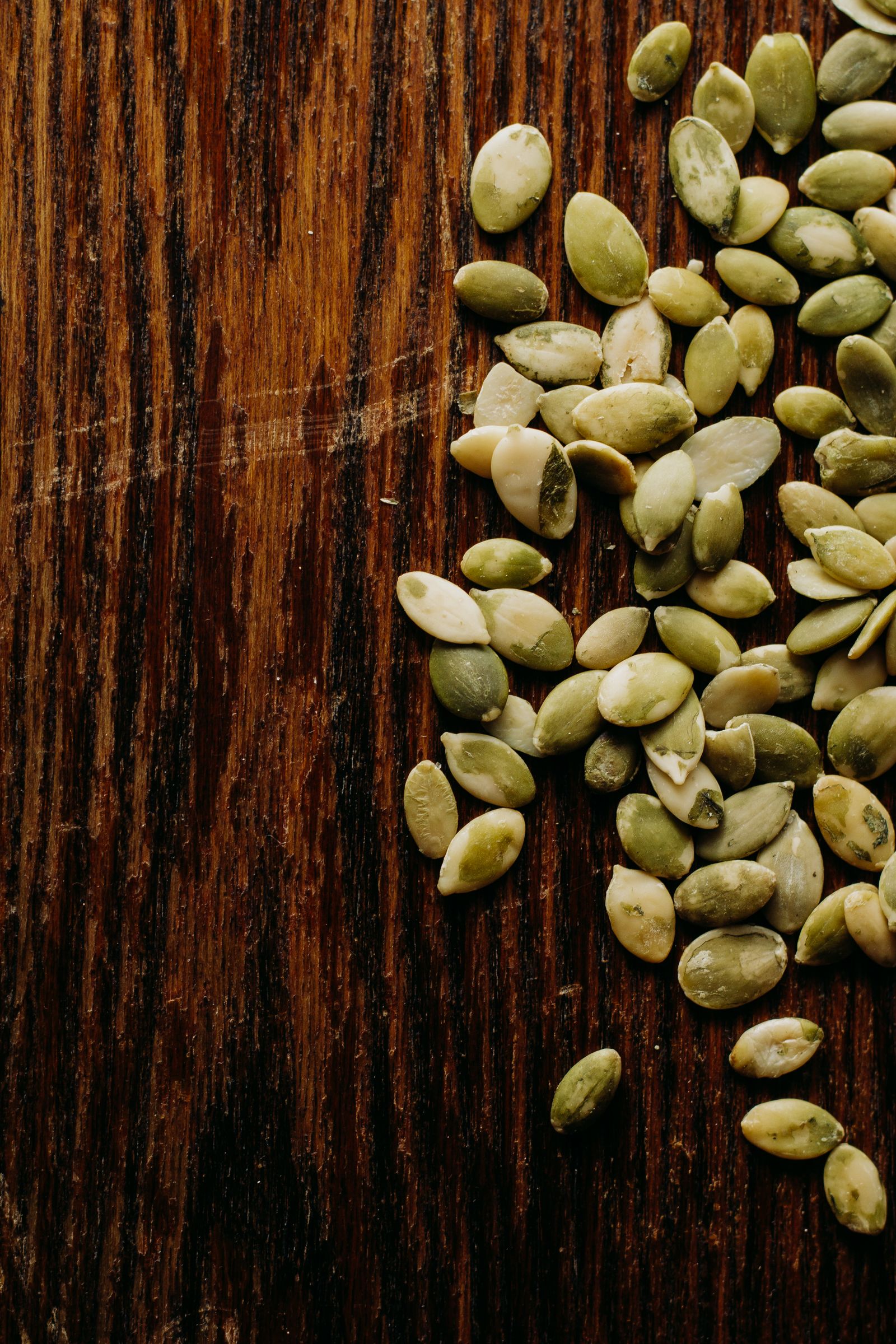
| Pumpkin seeds, roasted, 1 oz | 2.2 |
| Pork loin chop, broiled, 3 oz | 1.9 |
| Turkey breast, roasted, 3 oz | 1.5 |
| Cheddar cheese, 1.5 oz | 1.5 |
| Shrimp, cooked, 3 oz | 1.4 |
| Lentils, boiled, ½ cup | 1.3 |
| Sardines, canned in oil, 3 oz | 1.1 |
| Greek yogurt, plain, 6 oz | 1.0 |
| Milk, 1%, 1 cup | 1.0 |
| Peanuts, dry roasted, 1 oz | 0.8 |
| Brown rice, cooked, ½ cup | 0.7 |
| Egg, 1 large | 0.6 |
| Kidney beans, canned, ½ cup | 0.6 |
| Whole wheat bread, 1 slice | 0.6 |
| Salmon, cooked, 3 oz | 0.5 |
| Broccoli, chopped, cooked, ½ cup | 0.4 |
| White rice, cooked, ½ cup | 0.3 |
| White bread, 1 slice | 0.2 |
| Cherry tomatoes, ½ cup | 0.1 |
| Blueberries, ½ cup | 0.1 |
Source: NIH Office of Dietary Supplements, based on USDA FoodData Central (NIH ODS, 2026).
Fruits and vegetables have very little zinc. Beans, nuts and whole grains have some, but the body absorbs less of it (NIH ODS, 2026).
The phytate problem
This is the same issue that tripped up the villagers of Shiraz. Phytates, the storage form of phosphorus in plants, bind zinc in the gut and form a complex the body can’t absorb. Depending on how much plant food is in the diet, the body absorbs anywhere from 5% to more than 50% of the zinc in food (NIH ODS, 2026).
That’s why vegetarians and vegans usually have lower zinc intakes and lower blood zinc than people who eat meat. A few kitchen habits may help (NIH ODS, 2026):
- Soak beans, grains and seeds in water for several hours before cooking.
- Use canned or pre-cooked beans and grains.
- Eat fermented foods, since organic acids in them may increase zinc absorption.
- Include zinc-rich plant foods like pumpkin seeds, lentils and oats daily.
Some vegetarians and vegans may also benefit from a supplement (NIH ODS, 2026).
Zinc supplements: forms and what the label means
Zinc shows up in multivitamins, standalone tablets, cold lozenges, cold syrups and some denture creams (NIH ODS, 2026). Supplements use several forms, including zinc sulfate, zinc acetate and zinc gluconate (NIH ODS, 2026).
The number that matters is elemental zinc. The Supplement Facts panel lists the amount of elemental zinc, not the weight of the whole compound (NIH ODS, 2026). A capsule might hold 220 mg of zinc sulfate but supply only about 50 mg of actual zinc. Always read the zinc line, not the compound weight.
| Form | What to know |
|---|---|
| Zinc gluconate | Common in tablets and lozenges. About 61% absorbed in young adults, similar to citrate (NIH ODS, 2026) |
| Zinc citrate | About 61% absorbed, similar to gluconate (NIH ODS, 2026) |
| Zinc oxide | About 50% absorbed (NIH ODS, 2026). Used in the AREDS eye trial, along with copper (Age-Related Eye Disease Study Research, 2001) |
| Zinc acetate | The form used in several of the most positive cold lozenge trials (Hemilä et al., 2017). Also the form approved for Wilson disease (Brewer, 2001) |
| Zinc sulfate | Used in many older clinical trials, including diarrhea, leg ulcer and taste studies (Wilkinson, 2014; Henkin et al., 1976) |
Iron and zinc compete
Taking iron supplements of 25 mg or more at the same time as zinc can reduce zinc absorption (NIH ODS, 2026). The iron added to enriched or fortified foods doesn’t seem to interfere in the same way (NIH ODS, 2026). If you take both, ask your pharmacist about spacing them out.
Inside the research
Zinc has been tested for dozens of conditions. Below are the main ones, each with an evidence grade. “Strong” means consistent results from large, well-run trials or reviews. “Moderate” means good trials with some caveats. “Limited” means small or mixed studies. “Weak” means early or contradictory data.
Remember that zinc’s most dramatic effects show up in people who are short of it. A child in a village where zinc deficiency is common is a very different case from a well-fed adult in Ohio.
Colds and zinc lozenges — Evidence: Moderate
The 3-year-old who wouldn’t swallow her pill
The zinc lozenge story starts with an accident. Some time before 1984, a 3-year-old girl with leukemia had a cold. Instead of swallowing her zinc tablet, she let it dissolve slowly in her mouth, and her cold symptoms disappeared within hours. Her father, George Eby, wondered whether letting zinc dissolve in the throat, rather than swallowing it, was the key (Hemilä & Chalker, 2024).
He ran a randomized trial. Published in 1984, it gave adults 23 mg zinc gluconate lozenges every two waking hours. After seven days, 86% of the 37 people on zinc had no symptoms, compared with 46% of the 28 on placebo, and colds were about seven days shorter on average. The catch was that many people disliked the taste and some had mouth irritation (Eby et al., 1984).
Decades of mixed results
Over the next 25 years, about 14 more trials tested zinc lozenges. About half showed benefit and half didn’t (Eby GA, 2010). Eby later argued that the difference came down to chemistry: some lozenges release lots of free zinc ions in the mouth while others, made with flavorings or binders that grab zinc, release almost none (Eby GA, 2010). That idea remains a hypothesis, but it fits a pattern researchers keep seeing. Dose and formula matter a great deal.
Some examples from the NIH summary (NIH ODS, 2026):
- In a trial of 50 adults, a 13.3 mg zinc acetate lozenge taken every two to three waking hours, starting within 24 hours of the first symptoms, made colds about three days shorter and symptoms milder.
- In a trial of 273 adults with colds caused on purpose in a lab, zinc gluconate lozenges cut illness by one day, but lower-dose zinc acetate lozenges did nothing.
- In a second trial in the same report, with 281 adults, neither type helped.
Prasad also ran a cold trial in Detroit. Fifty adults took zinc acetate lozenges containing 12.8 mg of zinc every two to three hours while awake. Colds lasted 4.5 days on zinc versus 8.1 days on placebo, and coughs lasted 3.1 days versus 6.3 days (Prasad et al., 2000).
What the reviews say
Harri Hemilä’s analyses. Hemilä, a researcher at the University of Helsinki, has spent years pooling zinc lozenge data (Hemilä & Chalker, 2024).
- In seven trials using more than 75 mg of zinc a day, lozenges shortened colds by 33% on average. Zinc acetate lozenges shortened them by 40% and zinc gluconate by 28%, a difference that wasn’t statistically significant. Doses of 192 to 207 mg a day worked no better than 80 to 92 mg (Hemilä, 2017).
- In three zinc acetate trials using 80 to 92 mg a day, people on zinc were about three times more likely to recover on any given day. By day five, 70% of zinc users had recovered compared with 27% of placebo users (Hemilä et al., 2017).
- In those same trials, zinc shortened runny nose by 34%, nasal congestion by 37%, hoarseness by 43%, cough by 46% and muscle aches by 54%, but didn’t shorten headache or fever (Hemilä & Chalker, 2015).
The 2024 Cochrane review. This large review pooled 34 trials with 8,526 people. It found that zinc may shorten colds by about 2.4 days in people who already have one, but it rated the evidence low certainty. Zinc made little or no difference to preventing colds. People taking zinc were about a third more likely to have non-serious side effects like nausea or mouth irritation (Nault et al., 2024).
The dispute. Hemilä and a colleague published a critique of the 2024 Cochrane review. They argued that it mixed lozenge trials with nasal zinc trials, including doses that differed by about 4,300-fold, and that it measured effects in days rather than percentages, which makes the results look less certain. Restricting their own reanalysis to lozenge trials in adults, they calculated that zinc lozenges shortened colds by 37% (Hemilä & Chalker, 2024). The critique also noted that an earlier Cochrane review on zinc and colds was withdrawn in 2015 (Hemilä & Chalker, 2024). Readers can judge the two positions, but the debate is about how big the effect is and how sure we can be, not about whether lozenges cause harm.
A negative trial worth knowing. Not every well-run trial agrees. In a 2020 Finnish trial by Hemilä’s own group, 87 adults with colds took 13 mg zinc acetate lozenges six times a day for up to five days. Zinc didn’t speed recovery, and people on zinc recovered more slowly in the two days after they stopped. Side effects were more common on zinc (Hemilä et al., 2020).
Putting it together
The best case for zinc lozenges looks like this: start within 24 hours of the first symptoms, use lozenges that dissolve slowly in the mouth, and aim for a total of about 75 mg or more of zinc a day, stopping when the cold is gone (Hemilä et al., 2017; Hemilä, 2017). Expect possible bad taste and nausea (Nault et al., 2024). Swallowed zinc tablets aren’t the same thing, because the theory is that zinc works locally in the throat (Hemilä & Chalker, 2024).
Two cautions. First, 75 mg a day is above the 40 mg adult upper limit. Short courses for a cold have been studied, but don’t keep it up for weeks without a doctor’s advice (NIH ODS, 2026). Second, zinc doesn’t seem to prevent colds, so taking it daily all winter isn’t supported (Nault et al., 2024).
Immunity and infections in older adults — Evidence: Limited
Zinc deficiency weakens the immune system, and older adults often have lower zinc. Prasad tested whether topping them up would help. In a 12-month trial, 50 healthy adults aged 55 to 87 took 45 mg of zinc (as gluconate) or placebo daily. Those on zinc had fewer infections, along with lower markers of inflammation and oxidative stress (Prasad et al., 2007).
That result is encouraging but comes from one small study, at a dose above the upper limit, run by the field’s leading advocate. Larger trials would be needed before recommending zinc to older adults in general.
Pneumonia in children — Evidence: Moderate
In low-income countries, pneumonia causes about 15% of deaths in children under 5 (NIH ODS, 2026). A 2016 Cochrane review of six trials in low-income countries, with 5,193 children aged 2 to 59 months, found that zinc supplements of 10 to 20 mg a day for up to 20 months lowered the number of children who got pneumonia (NIH ODS, 2026). Using zinc as an add-on treatment once a child already has pneumonia generally didn’t lower deaths or speed recovery, although one review found fewer deaths from severe pneumonia (NIH ODS, 2026).
Childhood diarrhea — Evidence: Strong (where deficiency is common)
Diarrhea kills around 500,000 young children a year, mostly in low-income countries (Lazzerini & Wanzira, 2016). It’s one of the places zinc has made a real difference.
A 2016 Cochrane review of 33 trials with 10,841 children found (Lazzerini & Wanzira, 2016):
- In children over 6 months with acute diarrhea, zinc may shorten it by about half a day, and probably cuts the number whose diarrhea lasts a week by 27%.
- In children with signs of malnutrition, zinc shortened diarrhea by about a day (high certainty evidence).
- In children with persistent diarrhea, zinc probably shortened it by about 16 hours.
- In babies under 6 months, zinc didn’t seem to help.
- Zinc raised the risk of vomiting.
WHO and UNICEF recommend 20 mg of zinc a day for 10 to 14 days for children with acute diarrhea, or 10 mg a day for infants under 6 months (NIH ODS, 2026). The Cochrane authors note that the evidence doesn’t support zinc for well-nourished children in places where zinc deficiency is rare (Lazzerini & Wanzira, 2016).
Age-related macular degeneration (AMD) — Evidence: Moderate
AMD is the leading cause of serious vision loss in older people. The retina holds a lot of zinc, and zinc together with antioxidants may slow retinal damage (NIH ODS, 2026).
Observational studies. In a Dutch study of 4,170 adults aged 55 or older, higher zinc intake was linked to lower AMD risk over about 8 years. In an Australian study of 2,464 adults, people in the top tenth of zinc intake (at least 15.8 mg a day) had a 44% lower risk of any AMD (NIH ODS, 2026).
AREDS. The Age-Related Eye Disease Study was the turning point. Its AMD trial enrolled 3,640 people aged 55 to 80 and followed them for about 6.3 years. They took antioxidants (500 mg vitamin C, 400 IU vitamin E, 15 mg beta-carotene), zinc (80 mg as zinc oxide with 2 mg copper as cupric oxide), both, or placebo (Age-Related Eye Disease Study Research, 2001).
- The full combination of antioxidants plus zinc lowered the odds of developing advanced AMD by about 28% compared with placebo.
- Zinc alone and antioxidants alone showed smaller effects that didn’t reach the trial’s strict cutoff for significance.
- People with only early AMD had a very low risk of progressing and saw little benefit. The benefit was in people with intermediate AMD or advanced AMD in one eye (Age-Related Eye Disease Study Research, 2001).
Copper was added for one reason: high-dose zinc can cause copper deficiency (NIH ODS, 2026). That pairing is a lesson for anyone taking high-dose zinc.
AREDS2. The follow-up trial enrolled 4,203 people and tested changes to the formula. It found that a version with 25 mg of zinc, about a third of the original dose, gave the same protection, but because fewer people took that version, researchers called the finding preliminary. The National Eye Institute still recommends the AREDS formula with 80 mg of zinc (Age-Related Eye Disease Study 2 Research, 2013; NIH ODS, 2026). AREDS2 also found more lung cancers in people taking beta-carotene, mostly in former smokers, so the researchers suggested lutein and zeaxanthin as a substitute for beta-carotene in the formula (Age-Related Eye Disease Study 2 Research, 2013).
The 2023 Cochrane review. A review of 26 trials found moderate-certainty evidence that antioxidant vitamin and mineral supplements probably slow progression to late AMD in people who already have intermediate AMD, with most of the evidence coming from AREDS. For people with early AMD, the benefit was tiny, about four fewer cases per 1,000 people (Evans & Lawrenson, 2023).
Bottom line for eyes. The AREDS formulas are for people an eye doctor has diagnosed with intermediate AMD or advanced AMD in one eye. They aren’t shown to prevent AMD in people with healthy eyes. If you have AMD, ask your eye doctor which formula to use (NIH ODS, 2026).
Taste and smell — Evidence: Limited
Zinc deficiency can dull taste and smell (NIH ODS, 2026). Hambidge’s 1972 study of zinc-deficient children in Denver noted a reduced sense of taste (Hambidge et al., 1972). So doctors have long tried zinc for people who lose their sense of taste.
The results are mixed:
- 1976, Henkin and colleagues. In a double-blind crossover study of 106 people with taste and smell problems from many causes, zinc sulfate worked no better than placebo (Henkin et al., 1976).
- 2005, Heckmann and colleagues. In 50 people with taste problems that had no known cause, 140 mg a day of zinc gluconate improved taste function and mood compared with placebo (Heckmann et al., 2005).
- 2017 Cochrane review. Nine trials with 544 people compared zinc to placebo for taste problems that had no known cause, were due to zinc deficiency, or came from chronic kidney failure. Pooled results suggested some improvement in taste sharpness, but the evidence was very low quality. Some trials reported side effects like nausea, stomach pain and diarrhea (Kumbargere Nagraj et al., 2017).
There’s an important twist on smell. Zinc taken by mouth may help a deficient person’s senses, but zinc sprayed or swabbed into the nose can destroy the sense of smell. We cover that in the safety section.
Wound healing — Evidence: Limited
Zinc helps skin repair itself. It supports enzymes that clear away damaged tissue and helps skin cells move across a wound (Lansdown et al., 2007). Deficiency, whether inherited or dietary, delays healing, and older adults with low zinc heal more slowly (Lansdown et al., 2007; NIH ODS, 2026).
But taking zinc pills doesn’t seem to speed healing for most people. A Cochrane review of six small trials with 183 people found no evidence that oral zinc sulfate helped arterial or venous leg ulcers heal, though the trials were small and poorly reported (Wilkinson, 2014). A 2007 review suggested oral zinc may help people with leg ulcers who are zinc deficient, and that zinc applied to the skin may be more useful than pills. Zinc oxide has long been used in paste bandages for the skin around leg ulcers (Lansdown et al., 2007).
If you have a slow-healing wound, ask your doctor whether your zinc should be checked, rather than self-treating.
Type 2 diabetes — Evidence: Limited
People with type 2 diabetes often have low zinc. In a meta-analysis of 16 observational studies with 146,027 people, those with the highest zinc intakes had a 13% lower risk of type 2 diabetes (NIH ODS, 2026). Some trials found small improvements in blood sugar, insulin resistance, triglycerides and total cholesterol with zinc, while others didn’t. The NIH concludes there isn’t enough evidence to recommend zinc to prevent or manage type 2 diabetes (NIH ODS, 2026).
HIV — Evidence: Limited
People with HIV often have low zinc because of poor absorption and diarrhea. In one trial of 231 adults with HIV and low zinc, 12 to 15 mg of zinc a day for 18 months reduced immune failure events by 76% and diarrhea by 60%, but didn’t change deaths. Other trials found little effect (NIH ODS, 2026). Zinc isn’t a substitute for HIV treatment.
Pregnancy — Evidence: Limited
Pregnant women need 11 to 12 mg a day, 3 mg more than other women (NIH ODS, 2026). Low blood zinc during pregnancy might raise the risk of preeclampsia and low birth weight. Routine zinc supplements in pregnancy don’t appear to lower the risk of low birth weight, stillbirth or newborn death, but they might lower the risk of preterm birth (NIH ODS, 2026). About 11% of pregnant women in the US get less zinc than the average requirement (NIH ODS, 2026). Most prenatal vitamins contain zinc. There’s no evidence that well-nourished pregnant women need extra beyond a prenatal vitamin.
Beyond the mainstream
Zinc attracts plenty of bold claims, from testosterone to mood. This section covers ideas with some research behind them but not enough to call settled. Each is labeled so you can see what kind of evidence it rests on.
“Zinc raises testosterone” (Small trial)
Severe zinc deficiency is known to cause underdeveloped testes and delayed puberty, as Prasad saw in Iran (Prasad, 2013). The question is whether milder deficiency matters. In a 1996 study, Prasad’s group found that blood testosterone tracked cellular zinc in 40 healthy men. When four young men were put on a low-zinc diet for 20 weeks, their testosterone fell sharply. When nine older men with marginal zinc took zinc for three to six months, their testosterone roughly doubled (Prasad et al., 1996).
These were tiny groups, without a placebo comparison in the supplement part. The study suggests zinc matters for testosterone in people who are short of it. It doesn’t show that extra zinc raises testosterone in men who already get enough, which is how many “testosterone boosters” are sold.
“Zinc helps with anorexia nervosa” (Small trial)
In a 1994 double-blind trial, 35 women hospitalized with anorexia nervosa took 100 mg of zinc gluconate or placebo daily until their body mass index rose by 10%. The zinc group gained body mass about twice as fast (Birmingham et al., 1994). The researchers suggested zinc be considered in treatment. The trial was small, and zinc was an add-on to hospital care, not a replacement for it.
“Zinc lifts depression” (Small trials)
A 2021 review pooled five randomized trials of zinc added to antidepressants or compared with placebo. Overall, depression scores improved modestly with zinc, more so in people aged 40 and older. But when the authors split trials by size, the effect wasn’t significant in either group (da Silva et al., 2021). This is an interesting lead rather than a recommendation.
“Only free zinc ions work in lozenges” (Early)
George Eby proposed that a lozenge only works if it releases positively charged zinc ions in the mouth. He measured lozenge chemistry and reported that the amount of free zinc released, not the total zinc, matched how much trials shortened colds (Eby GA, 2010). That would explain why lozenges with flavorings like citric acid, which bind zinc, seemed to fail. It’s a reasonable theory from a lozenge advocate, based on reanalysis of other people’s trials. It hasn’t been confirmed in head-to-head trials of different formulas.
“Zinc helps children with sickle cell disease” (Small trials)
Children with sickle cell disease often have low zinc, possibly because of treatments used to remove extra iron. Low zinc in these children has been linked to shorter height, lower weight, delayed maturation and more pain crises. Small studies suggest zinc might improve growth and lower the risk of bacterial infections, hospital stays and pain crises (NIH ODS, 2026). This should only be done with a doctor’s supervision.
The copper trap: zinc’s most important safety issue
Here’s the thing most people taking zinc don’t know. High doses of zinc slowly starve the body of copper.
Why it happens
Zinc makes gut cells produce a protein called metallothionein. Metallothionein grabs copper and holds onto it, so the copper never gets absorbed and is lost when gut cells are shed. Zinc also blocks the body from reclaiming the copper it secretes in saliva, stomach juices and gut fluids (Brewer, 2001).
Doctors actually use this effect on purpose. In Wilson disease, copper builds up to toxic levels, and zinc acetate is an FDA-approved way to keep it down. But even there, doctors monitor patients because overtreatment can cause copper deficiency, which is especially risky for children who need copper to grow (Brewer, 2001).
How much zinc is too much
The effect starts at doses many people take without a second thought. In a 1984 study, healthy men who took 25 mg of zinc twice a day (50 mg total) for six weeks showed a drop in a copper-dependent enzyme in their red blood cells, a sign their copper status was falling (Fischer et al., 1984). The NIH notes that 50 mg or more a day for weeks can interfere with copper absorption, weaken immune function and lower HDL (“good”) cholesterol (NIH ODS, 2026). The US upper limit of 40 mg a day for adults was set specifically to protect copper status (NIH ODS, 2026).
What copper deficiency does
Low copper causes anemia and low white blood cell counts. Worse, it can damage the spinal cord. A 2006 Mayo Clinic review described a syndrome it called “human swayback,” after a copper deficiency disease in sheep. Patients develop a stiff, unsteady walk, lose their sense of where their feet are, and have nerve damage in their limbs (Kumar, 2006). It looks very much like the nerve damage of vitamin B12 deficiency (Kumar et al., 2004).
In a 2004 series of 13 patients with this spinal cord disease, 7 of the 11 who were tested had high or high-normal zinc (Kumar et al., 2004). Copper supplements stopped the decline, but recovery was variable, and blood problems responded better than nerve problems (Kumar et al., 2004; Kumar, 2006). Known causes of acquired copper deficiency include past stomach surgery, too much zinc and poor absorption (Kumar, 2006).
The denture cream mystery
For years, doctors saw patients with high zinc and low copper but couldn’t find where the zinc was coming from. The answer turned out to be in their mouths.
In 2008, researchers described four patients with nerve problems, low copper and high zinc. All wore dentures and used very large amounts of denture cream every day for years. Testing showed that two popular denture creams contained about 17,000 to 34,000 micrograms of zinc per gram (17 to 34 mg per gram). When three patients stopped using the cream, their zinc levels improved (Nations et al., 2008).
A 2009 study of 11 patients with nerve damage, low copper and high zinc found that denture cream was the source of excess zinc in every single one. All had ill-fitting dentures and used large amounts of cream. Their copper and zinc returned to normal after they stopped (Hedera et al., 2009).
Normal use, about 0.5 to 1.5 grams of cream a day, isn’t a concern. Problems were reported in people using 70 grams or more a week, at least a full tube, for years. Many denture creams have since been reformulated without zinc (NIH ODS, 2026).
Practical tip: if you or an older relative uses denture cream heavily, especially with ill-fitting dentures, check the label for zinc. Numbness, tingling, balance trouble or unexplained anemia are reasons to ask a doctor about copper and zinc levels.
Safety, side effects and toxicity
Upper limits
The US upper limits cover zinc from food and supplements combined (NIH ODS, 2026):
| Age | Upper limit (mg/day) |
|---|---|
| 0–6 months | 4 |
| 7–12 months | 5 |
| 1–3 years | 7 |
| 4–8 years | 12 |
| 9–13 years | 23 |
| 14–18 years (including pregnancy and breastfeeding) | 34 |
| 19+ years (including pregnancy and breastfeeding) | 40 |
The European Food Safety Authority sets a lower adult upper limit of 25 mg a day (EFSA, 2025).
These limits don’t apply to people taking zinc for a medical reason under a doctor’s care, such as the AREDS eye formula or Wilson disease (NIH ODS, 2026). Food alone rarely provides 50 mg, so zinc from food is unlikely to cause problems (NIH ODS, 2026).
Watch out for stacking. A multivitamin with 11 mg, a separate 50 mg zinc tablet, cold lozenges and a fortified cereal can add up fast.
Short-term side effects
Too much zinc at once can cause nausea, dizziness, headaches, stomach upset, vomiting and loss of appetite (NIH ODS, 2026). Zinc lozenges often cause a bad taste and mouth irritation (Eby et al., 1984), and nausea (Nault et al., 2024). Taking zinc with food may help with stomach upset. Very high doses, around 142 mg a day, may also interfere with magnesium (NIH ODS, 2026).
Never put zinc in your nose
Zinc nasal gels and swabs were once sold as cold remedies. Then doctors started seeing people who had lost their sense of smell.
In 2006, doctors at a smell disorders clinic described 17 people who lost their sense of smell after using zinc gluconate nasal gel. They described a typical pattern: people sniffed deeply when applying the gel, felt an immediate burning that lasted minutes to hours, and lost their sense of smell within 48 hours. Seven of the 17 never even developed a cold (Alexander & Davidson, 2006). A later review of 25 patients concluded that intranasal zinc gluconate causes loss of smell, and called for more FDA oversight of homeopathic remedies (Davidson & Smith, 2010).
On June 16, 2009, the FDA advised consumers to stop using three Zicam intranasal zinc products, citing more than 130 reports of lost sense of smell. Many people said it happened after the first dose, and the FDA warned it might be permanent (FDA, 2009). The warning didn’t apply to zinc tablets or lozenges taken by mouth.
Losing your sense of smell is more serious than it sounds. It affects taste and appetite, and it can stop you noticing smoke or a gas leak (FDA, 2009). Don’t use any zinc product in your nose.
Who should be careful
- People taking high-dose zinc for more than a few weeks, because of copper deficiency.
- People on the AREDS formula, who should stick with a version that includes copper (Age-Related Eye Disease Study Research, 2001).
- People with kidney disease, gut disorders or past stomach surgery, who should check with their doctor about mineral balance.
- Heavy denture cream users.
- Children, whose upper limits are much lower than adults’.
Drug interactions
The NIH lists these interactions (NIH ODS, 2026):
- Quinolone and tetracycline antibiotics. Zinc and these antibiotics block each other’s absorption. Take the antibiotic at least 2 hours before, or 4 to 6 hours after, zinc.
- Penicillamine, used for rheumatoid arthritis and Wilson disease. Zinc reduces its absorption. Take them at least 1 hour apart.
- Thiazide diuretics, such as hydrochlorothiazide and chlorthalidone, increase the zinc lost in urine and can lower blood zinc.
Also remember that iron supplements of 25 mg or more taken at the same time can reduce zinc absorption (NIH ODS, 2026).
How to choose and use a zinc supplement
You don’t need a brand recommendation to choose well. Use the label.
- Check whether you need one at all. Most people who eat meat, seafood, dairy or fortified cereals get enough. Vegetarians, vegans, older adults, people with gut disorders or heavy drinkers are the groups most likely to benefit (NIH ODS, 2026).
- Read the elemental zinc amount. The Supplement Facts panel lists elemental zinc. Don’t confuse it with the weight of the compound (NIH ODS, 2026).
- Add up all your sources. Count your multivitamin, any standalone zinc, lozenges, eye vitamins and fortified foods. For daily long-term use, staying within the RDA range or well under 40 mg is a sensible goal (NIH ODS, 2026).
- For colds, look at the lozenge, not the bottle. Trials that worked used lozenges that dissolve slowly, mostly zinc acetate or gluconate, at a total of more than 75 mg a day, started within 24 hours and used only for the length of the cold (Hemilä, 2017; Hemilä et al., 2017). Eby argued that ingredients like citric acid may bind zinc and reduce its effect (Eby GA, 2010).
- Avoid nasal zinc products entirely (FDA, 2009).
- If you take more than 40 mg a day long term, ask about copper. That’s why the AREDS formula includes 2 mg of copper (Age-Related Eye Disease Study Research, 2001).
- Look for third-party testing. Seals from independent testing groups confirm a product contains what it says. They don’t prove it works.
Frequently asked questions
Does zinc prevent colds?
No, not according to the evidence so far. The 2024 Cochrane review found little or no effect on preventing colds (Nault et al., 2024). The evidence is for shortening a cold once it starts.
Do zinc lozenges really work for colds?
They may shorten colds, especially if started within 24 hours. The size of the effect is debated. Cochrane estimated about 2.4 days with low certainty (Nault et al., 2024), while Hemilä’s analyses of high-dose lozenges suggest around a third shorter (Hemilä, 2017; Hemilä & Chalker, 2024). Not every trial agrees (Hemilä et al., 2020).
How much zinc should I take daily?
Adults need 8 mg (women) or 11 mg (men) from all sources (NIH ODS, 2026). Most people get that from food. Don’t go over 40 mg a day long term without a doctor’s advice.
Can zinc cause copper deficiency?
Yes. Taking 50 mg or more a day for weeks can reduce copper absorption (NIH ODS, 2026; Fischer et al., 1984). Long-term overuse has caused anemia and spinal cord damage (Kumar, 2006).
Is zinc good for your eyes?
For people with intermediate AMD or advanced AMD in one eye, the AREDS formula with zinc slows progression to advanced AMD (Age-Related Eye Disease Study Research, 2001; Evans & Lawrenson, 2023). It hasn’t been shown to prevent AMD in people with healthy eyes.
Does zinc help you regain taste or smell?
It may help if you’re zinc deficient, but trials in other people are mixed and low quality (Kumbargere Nagraj et al., 2017; Henkin et al., 1976). Never put zinc in your nose, which can destroy smell (FDA, 2009).
What’s the best form of zinc?
Gluconate and citrate are absorbed about equally well, and oxide slightly less (NIH ODS, 2026). For cold lozenges, zinc acetate has some of the best trial results (Hemilä et al., 2017). For daily use, the dose matters more than the form.
Should I take zinc on an empty stomach?
Zinc may absorb a bit better without food, but it often causes nausea that way. If it upsets your stomach, take it with a meal. Keep it apart from iron supplements and certain antibiotics (NIH ODS, 2026).
Can denture cream really be dangerous?
Only with heavy, long-term use, such as a tube or more a week for years. Normal use isn’t a concern, and many products are now zinc-free. Check the label if you use a lot (NIH ODS, 2026; Hedera et al., 2009).
Bottom line
Zinc deserves its place among the essential minerals. Ananda Prasad’s discovery in Iran showed that zinc deficiency could stunt growth, delay puberty and shorten lives, and that zinc could reverse it. Today zinc helps save children from diarrhea where deficiency is common, and with copper and antioxidants it slows advanced macular degeneration in people at high risk.
For most well-fed adults, the story is simpler. Get zinc from food, especially meat, seafood, dairy, beans, seeds and fortified cereals. If you want to try zinc for a cold, use slowly dissolving lozenges started early, for a few days only. Keep long-term supplements well under 40 mg a day unless your doctor advises otherwise, never use zinc in your nose, and remember that too much zinc quietly drains your copper.
Sources
- National Institutes of Health, Office of Dietary Supplements. Zinc: Fact Sheet for Health Professionals. Updated January 6, 2026. https://ods.od.nih.gov/factsheets/Zinc-HealthProfessional/
- Prasad AS. Discovery of human zinc deficiency: its impact on human health and disease. Adv Nutr. 2013;4(2):176-90. https://pubmed.ncbi.nlm.nih.gov/23493534/
- Nault D, et al. Zinc for prevention and treatment of the common cold. Cochrane Database Syst Rev. 2024;5(5):CD014914. https://pubmed.ncbi.nlm.nih.gov/38719213/
- Hemilä H. Zinc lozenges and the common cold: a meta-analysis comparing zinc acetate and zinc gluconate, and the role of zinc dosage. JRSM Open. 2017;8(5):2054270417694291. https://pubmed.ncbi.nlm.nih.gov/28515951/
- Age-Related Eye Disease Study Research Group. A randomized, placebo-controlled, clinical trial of high-dose supplementation with vitamins C and E, beta carotene, and zinc for age-related macular degeneration and vision loss: AREDS report no. 8. Arch Ophthalmol. 2001;119(10):1417-36. https://pubmed.ncbi.nlm.nih.gov/11594942/
- Lazzerini M, Wanzira H. Oral zinc for treating diarrhoea in children. Cochrane Database Syst Rev. 2016;12(12):CD005436. https://pubmed.ncbi.nlm.nih.gov/27996088/
- Nations SP, et al. Denture cream: an unusual source of excess zinc, leading to hypocupremia and neurologic disease. Neurology. 2008;71(9):639-43. https://pubmed.ncbi.nlm.nih.gov/18525032/
- US Food and Drug Administration. FDA Advises Consumers Not To Use Certain Zicam Cold Remedies: Intranasal Zinc Product Linked to Loss of Sense of Smell. News release, June 16, 2009 (archived). https://web.archive.org/web/20090617185322/http://www.fda.gov/NewsEvents/Newsroom/PressAnnouncements/ucm167065.htm
- Alexander TH, Davidson TM. Intranasal zinc and anosmia: the zinc-induced anosmia syndrome. Laryngoscope. 2006;116(2):217-20. https://pubmed.ncbi.nlm.nih.gov/16467707/
- Royal Society of Chemistry. Zinc: element information, properties and uses. Periodic Table. https://periodic-table.rsc.org/element/30/zinc
- PRASAD AS, HALSTED JA, NADIMI M. Syndrome of iron deficiency anemia, hepatosplenomegaly, hypogonadism, dwarfism and geophagia. Am J Med. 1961;31:532-46. https://pubmed.ncbi.nlm.nih.gov/14488490/
- Prasad AS. Discovery of human zinc deficiency: 50 years later. J Trace Elem Med Biol. 2012;26(2-3):66-9. https://pubmed.ncbi.nlm.nih.gov/22664333/
- Hambidge KM, et al. Low levels of zinc in hair, anorexia, poor growth, and hypogeusia in children. Pediatr Res. 1972;6(12):868-74. https://pubmed.ncbi.nlm.nih.gov/4509185/
- Moynahan EJ. Letter: Acrodermatitis enteropathica: a lethal inherited human zinc-deficiency disorder. Lancet. 1974;2(7877):399-400. https://pubmed.ncbi.nlm.nih.gov/4136854/
- Brewer GJ. Zinc acetate for the treatment of Wilson’s disease. Expert Opin Pharmacother. 2001;2(9):1473-7. https://pubmed.ncbi.nlm.nih.gov/11585025/
- Hemilä H, Chalker E. Shortcomings in the Cochrane review on zinc for the common cold (2024). Front Med (Lausanne). 2024;11:1470004. https://pubmed.ncbi.nlm.nih.gov/39478818/
- Hemilä H, et al. Zinc Acetate Lozenges May Improve the Recovery Rate of Common Cold Patients: An Individual Patient Data Meta-Analysis. Open Forum Infect Dis. 2017;4(2):ofx059. https://pubmed.ncbi.nlm.nih.gov/28480298/
- Wilkinson EA. Oral zinc for arterial and venous leg ulcers. Cochrane Database Syst Rev. 2014;2014(9):CD001273. https://pubmed.ncbi.nlm.nih.gov/25202988/
- Henkin RI, et al. A double blind study of the effects of zinc sulfate on taste and smell dysfunction. Am J Med Sci. 1976;272(3):285-99. https://pubmed.ncbi.nlm.nih.gov/797259/
- Eby GA, Davis DR, Halcomb WW. Reduction in duration of common colds by zinc gluconate lozenges in a double-blind study. Antimicrob Agents Chemother. 1984;25(1):20-4. https://pubmed.ncbi.nlm.nih.gov/6367635/
- Eby GA 3rd. Zinc lozenges as cure for the common cold–a review and hypothesis. Med Hypotheses. 2010;74(3):482-92. https://pubmed.ncbi.nlm.nih.gov/19906491/
- Prasad AS, et al. Duration of symptoms and plasma cytokine levels in patients with the common cold treated with zinc acetate. A randomized, double-blind, placebo-controlled trial. Ann Intern Med. 2000;133(4):245-52. https://pubmed.ncbi.nlm.nih.gov/10929163/
- Hemilä H, Chalker E. The effectiveness of high dose zinc acetate lozenges on various common cold symptoms: a meta-analysis. BMC Fam Pract. 2015;16:24. https://pubmed.ncbi.nlm.nih.gov/25888289/
- Hemilä H, et al. Zinc acetate lozenges for the treatment of the common cold: a randomised controlled trial. BMJ Open. 2020;10(1):e031662. https://pubmed.ncbi.nlm.nih.gov/31980506/
- Prasad AS, et al. Zinc supplementation decreases incidence of infections in the elderly: effect of zinc on generation of cytokines and oxidative stress. Am J Clin Nutr. 2007;85(3):837-44. https://pubmed.ncbi.nlm.nih.gov/17344507/
- Age-Related Eye Disease Study 2 Research Group. Lutein + zeaxanthin and omega-3 fatty acids for age-related macular degeneration: the Age-Related Eye Disease Study 2 (AREDS2) randomized clinical trial. JAMA. 2013;309(19):2005-15. https://pubmed.ncbi.nlm.nih.gov/23644932/
- Evans JR, Lawrenson JG. Antioxidant vitamin and mineral supplements for slowing the progression of age-related macular degeneration. Cochrane Database Syst Rev. 2023;9(9):CD000254. https://pubmed.ncbi.nlm.nih.gov/37702300/
- Heckmann SM, et al. Zinc gluconate in the treatment of dysgeusia–a randomized clinical trial. J Dent Res. 2005;84(1):35-8. https://pubmed.ncbi.nlm.nih.gov/15615872/
- Kumbargere Nagraj S, et al. Interventions for managing taste disturbances. Cochrane Database Syst Rev. 2017;12(12):CD010470. https://pubmed.ncbi.nlm.nih.gov/29260510/
- Lansdown AB, et al. Zinc in wound healing: theoretical, experimental, and clinical aspects. Wound Repair Regen. 2007;15(1):2-16. https://pubmed.ncbi.nlm.nih.gov/17244314/
- Prasad AS, et al. Zinc status and serum testosterone levels of healthy adults. Nutrition. 1996;12(5):344-8. https://pubmed.ncbi.nlm.nih.gov/8875519/
- Birmingham CL, Goldner EM, Bakan R. Controlled trial of zinc supplementation in anorexia nervosa. Int J Eat Disord. 1994;15(3):251-5. https://pubmed.ncbi.nlm.nih.gov/8199605/
- da Silva LEM, et al. Zinc supplementation combined with antidepressant drugs for treatment of patients with depression: a systematic review and meta-analysis. Nutr Rev. 2021;79(1):1-12. https://pubmed.ncbi.nlm.nih.gov/32885249/
- Fischer PW, Giroux A, L’Abbé MR. Effect of zinc supplementation on copper status in adult man. Am J Clin Nutr. 1984;40(4):743-6. https://pubmed.ncbi.nlm.nih.gov/6486080/
- Kumar N. Copper deficiency myelopathy (human swayback). Mayo Clin Proc. 2006;81(10):1371-84. https://pubmed.ncbi.nlm.nih.gov/17036563/
- Kumar N, Gross JB Jr, Ahlskog JE. Copper deficiency myelopathy produces a clinical picture like subacute combined degeneration. Neurology. 2004;63(1):33-9. https://pubmed.ncbi.nlm.nih.gov/15249607/
- Hedera P, et al. Myelopolyneuropathy and pancytopenia due to copper deficiency and high zinc levels of unknown origin II. The denture cream is a primary source of excessive zinc. Neurotoxicology. 2009;30(6):996-9. https://pubmed.ncbi.nlm.nih.gov/19732792/
- European Food Safety Authority. Overview on Tolerable Upper Intake Levels as derived by the Scientific Committee on Food (SCF) and the EFSA Panel on Dietetic Products, Nutrition and Allergies (NDA). Version 11, August 2025. https://www.efsa.europa.eu/sites/default/files/2024-05/ul-summary-report.pdf
- Davidson TM, Smith WM. The Bradford Hill criteria and zinc-induced anosmia: a causality analysis. Arch Otolaryngol Head Neck Surg. 2010;136(7):673-6. https://pubmed.ncbi.nlm.nih.gov/20644061/
Written by Mbatia Tony Muitungu. Read how we research and update articles in our Editorial Policy.