Iodine: The Goiter Belt, the Salt That Raised IQ, Pregnancy, the Thyroid, and the High-Dose Debate
Disclosure: StayWellAware may earn a commission if you buy through links on this page, at no extra cost to you. It never affects what we recommend. Read our full disclosure.
Not medical advice. This guide is for general information. Talk to your doctor, pharmacist, or other clinician before taking iodine or kelp supplements, especially if you have Hashimoto’s thyroiditis, Graves’ disease, thyroid nodules or any other thyroid condition, if you are pregnant or breastfeeding, or if you take thyroid medicine, amiodarone, lithium, ACE inhibitors, or potassium-sparing diuretics. Do not take milligram doses of iodine without a doctor’s supervision. Only take potassium iodide for a radiation emergency when public health officials tell you to.
A hundred years ago, in parts of Michigan, a doctor could walk into a schoolroom and see swollen necks on a large share of the children. During the World War I draft, many young men from the region were turned away because of goiters. Then, starting on May 1, 1924, a small change appeared on grocery shelves in Michigan: salt with a trace of iodine added. Today, overt iodine deficiency is uncommon in North America, largely thanks to iodized salt and a national food supply.
Iodine is one of the great success stories of public health. It is also one of the most argued-over nutrients online. Some people say most of us are badly short of it and should take thousands of times the recommended amount. Thyroid specialists warn that too much iodine can switch a struggling thyroid off, or push it into overdrive.
This guide covers the full story: how iodine was found in burning seaweed, why the Great Lakes became the “goiter belt”, how iodized salt may have raised the IQ of a quarter of Americans, what iodine does in your thyroid, how much you need, the pregnancy question, the Japanese seaweed diet, the high-dose “Iodine Project”, the breast pain studies, and why people with Hashimoto’s need to be careful.
The short version
- Iodine is essential. Your thyroid needs it to make the hormones T4 and T3, which control metabolism and are vital for brain development before birth and in infancy (NIH ODS, 2024).
- Adults need 150 mcg a day. The recommendation rises to 220 mcg in pregnancy and 290 mcg while breastfeeding (NIH ODS, 2024).
- Severe deficiency during pregnancy can cause cretinism, a form of permanent intellectual disability. Giving iodine before conception prevented it in a landmark trial in Papua New Guinea (Pharoah & Connolly, 1987).
- Iodized salt changed America. One economic study linked the 1924 rollout to a rise of about one standard deviation in IQ for the quarter of the population most short of iodine (Feyrer et al., 2017).
- Mild deficiency in pregnancy was linked to lower verbal IQ in children, especially in the first trimester, but trials of supplements in mildly deficient areas have not yet shown clear benefits for child development (Levie et al., 2019; Dineva et al., 2020).
- Most Americans get enough, but pregnant women, people who avoid dairy and iodized salt, and some vegans may not (NIH ODS, 2024).
- Too much iodine can harm the thyroid. The US upper limit for adults is 1,100 mcg a day. People with autoimmune thyroid disease, like Hashimoto’s, can react to amounts that are safe for others (NIH ODS, 2024; Leung & Braverman, 2014).
- High-dose claims are unproven. The “Iodine Project”, which promotes 12.5 mg a day or more, rests mostly on practitioner reports and a test that critics say is flawed (Abraham, 2005; Gaby, Townsend Letter).
A short history of iodine
Purple smoke from seaweed
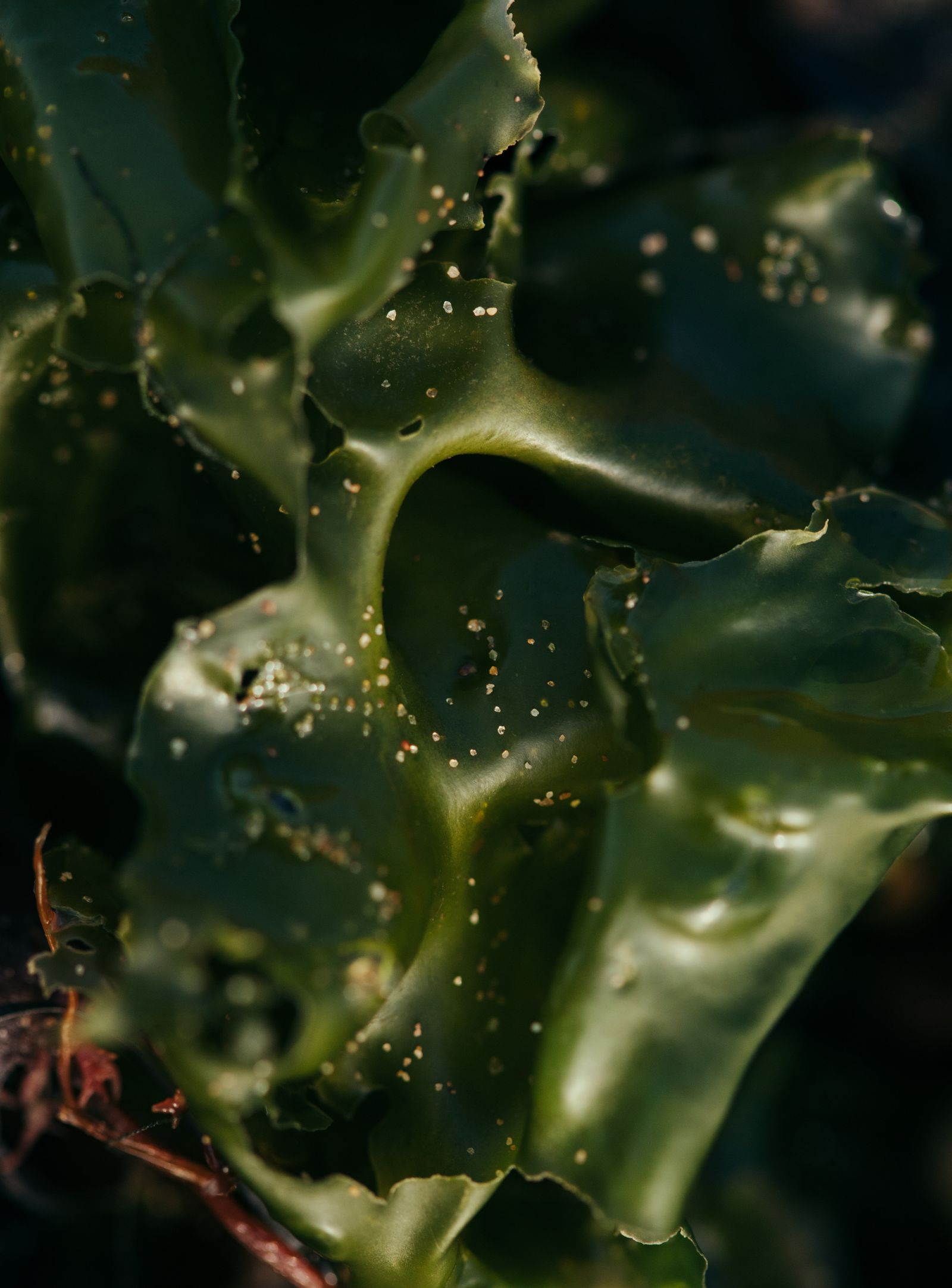
In 1811, a French chemist named Bernard Courtois was extracting chemicals from seaweed ash to make gunpowder. When he added sulfuric acid, a strange violet vapor rose from the ash (Leung et al., 2012; Royal Society of Chemistry). Other scientists, including Joseph Louis Gay-Lussac and Humphry Davy, studied the new substance. In 1813, Gay-Lussac’s paper presenting the new element was read. Its name, iodine, comes from the Greek word for violet (Leung et al., 2012; Royal Society of Chemistry).
People had used burnt sponge and seaweed against goiter for centuries without knowing why. Within a few years of the discovery, a Swiss physician, J. F. Coindet, guessed that iodine was the active ingredient. He gave it to patients and reported that their goiters shrank (Zimmermann, 2008; Leung et al., 2012).
From folk remedy to cause
The next step took decades. In the 1830s, the French chemist Jean Baptiste Boussingault, working in the Andes, noticed that goiter was more common where people rarely ate naturally iodine-rich salt. He suggested giving people that salt to prevent goiter (Zimmermann, 2008; Leung et al., 2012). In the early 1850s, another French chemist, Adolphe Chatin, became the first to publish the idea that a lack of iodine in the environment caused goiter (Zimmermann, 2008).
Early attempts to give iodine widely ran into trouble. Some people, especially those with long-standing lumpy goiters, developed an overactive thyroid when they suddenly got more iodine. This reaction, sometimes called the Jod-Basedow phenomenon, made doctors wary for many years (Leung et al., 2012). One 1953 history notes that the use of potassium iodide to prevent goiter was abandoned around 1858 (Kimball, 1953).
The final link came in 1896, when Eugen Baumann found iodine inside the thyroid gland itself (Zimmermann, 2008; Leung et al., 2012). Now the pieces fit: the thyroid needs iodine, and without it, the gland swells.
The goiter belt
Iodine is not spread evenly across the earth. Glaciers, floods and rain washed it out of soils in many inland and mountain regions, while coastal areas and the sea kept more of it (Leung et al., 2012). In the United States, the Great Lakes, the Appalachians and the Northwest were so short of iodine that they became known as the “goiter belt”. Before the 1920s, between 26% and 70% of children in these regions had a visibly enlarged thyroid (Leung et al., 2012).
World War I made the problem impossible to ignore. During the draft, a Michigan physician named Simon Levin found that 30.3% of 583 men he examined had an enlarged thyroid. Many goiters were large enough to disqualify the men from service. Follow-up surveys with the Michigan health commissioner found goiter rates as high as 64.4% in some parts of the state (Leung et al., 2012).
The Akron schoolgirls
The first controlled test of iodine to prevent goiter took place in Akron, Ohio. Starting in 1917, David Marine and his colleagues gave sodium iodide to schoolgirls and compared them with girls who didn’t get it (Marine & Kimball, 1990; Kimball & Marine, 1992). A 2012 history describes the program as starting with more than 2,100 girls. Only 0.2% of the girls given iodine developed goiter, compared with more than 25% of those who weren’t (Leung et al., 2012). A 1953 account describes the course reaching 5,000 schoolgirls and calls it fully effective against the disease (Kimball, 1953).
Switzerland moved first at the national level. Its iodized salt program has run without a break since 1922 (Zimmermann, 2008).
Michigan, May 1, 1924
In 1922, David Murray Cowie, head of pediatrics at the University of Michigan, proposed at a state medical society meeting that America add iodine to table salt. He then worked through the society’s Iodized Salt Committee to make it happen (Leung et al., 2012; Markel, 1987). On May 1, 1924, iodized salt first went on sale in Michigan grocery stores (Leung et al., 2012).
The idea was not universally welcomed. According to the 1953 history, goiter surgeons at first resisted the plan. Their opposition faded when a survey four years later found not a single case of toxic goiter caused by iodized salt in three test counties (Kimball, 1953). Still, there were real side effects. In 1926, a doctor named Hartsock described a wave of overactive thyroid in adults in the Great Lakes region who had started using iodized salt (Leung et al., 2012). The early salt contained about 100 mg of iodine per kilogram, which gave an estimated 500 mcg a day, much more than today (Leung et al., 2012).
Iodized salt spread across the country, but it never became mandatory. A 1948 bill to require it in every state was defeated. Since the 1950s, about 70% to 76% of US households have used only iodized salt (Leung et al., 2012).
Did iodized salt raise American IQ?
In 2017, a team of economists tested a bold idea. They used military records from World War I and World War II to compare men born before and after 1924 in places that were naturally low or high in iodine. For the quarter of the population most short of iodine, iodized salt was linked to a rise in IQ of about one standard deviation, or roughly 15 points (Feyrer et al., 2017). The authors estimated that this could explain about a decade’s worth of the steady rise in IQ scores seen in the 20th century, known as the Flynn effect.
The same study found a darker side. Thyroid-related deaths rose after iodized salt was adopted nationwide, mostly among older people in areas where deficiency had been common (Feyrer et al., 2017). That fits what doctors had seen in Michigan: a sudden rise in iodine can tip older, long-deficient thyroids into overdrive. This is an observational study using historical data, so it can’t prove cause and effect, but it shows the scale of what was at stake.
Cretinism and the global campaign
The worst effect of iodine deficiency is endemic cretinism. Children born to severely deficient mothers can have intellectual disability, deafness and inability to speak, stiff or spastic muscles, very short stature and delayed sexual development (NIH ODS, 2024). A 1953 history described it as a disease that caused “feeble-mindedness, deaf-mutism, and general physical and mental degeneration from one generation to the next” (Kimball, 1953).
In 1966, researchers in the highlands of Papua New Guinea began a double-blind trial of iodized oil injections. Babies born to mothers who received iodine before conception were protected from the neurological form of cretinism. They also survived longer and did better on tests of movement and intelligence (Pharoah & Connolly, 1987).
Today, iodine deficiency is still called the leading preventable cause of intellectual disability in the world (Feyrer et al., 2017). In 2020, 124 countries required salt iodization by law, and 88% of the world’s population used iodized salt. The number of countries with adequate iodine intake nearly doubled from 67 in 2003 to 118 in 2020. But 21 countries remained deficient, and 13 had excessive intake (Zimmermann & Andersson, 2021).
What iodine does in the body
Your body holds about 15 to 20 mg of iodine, and 70% to 80% of it sits in the thyroid, a butterfly-shaped gland at the front of your neck (NIH ODS, 2024). The thyroid uses iodine to build two hormones: thyroxine (T4), which has four iodine atoms, and triiodothyronine (T3), which has three. These hormones help set your metabolism and are essential for growth and for the development of the brain and skeleton in babies (NIH ODS, 2024).
When iodine runs low, the pituitary gland in the brain releases more thyroid-stimulating hormone (TSH) to push the thyroid harder. Over time, that constant push makes the thyroid grow. The swelling, called goiter, is the body’s attempt to trap more iodine from the blood (NIH ODS, 2024).
Iodine may do other jobs too. The ODS notes it seems to play a role in the immune response and might have a beneficial effect on mammary dysplasia and fibrocystic breast disease (NIH ODS, 2024). Those roles are much less understood than its thyroid work.
How the thyroid protects itself: the Wolff-Chaikoff effect
The thyroid has a clever safety switch. In 1948, J. Wolff and I. L. Chaikoff, working with rats, showed that when blood iodide levels get very high, the thyroid briefly stops binding iodine into hormones (Wolff & Chaikoff, 1948; Eng et al., 1999). This is called the acute Wolff-Chaikoff effect. It stops the gland from flooding the body with hormone after a big dose of iodine.
The block doesn’t last. After about two days, the healthy thyroid “escapes” (Eng et al., 1999). It does this by making fewer of the pumps, called sodium-iodide symporters, that pull iodide into the gland. With less iodide inside, hormone production starts again (Eng et al., 1999; Markou et al., 2001).
This matters because not everyone escapes. A 2001 review lists the groups at risk: fetuses and newborns, some people with long-term illnesses, people with autoimmune thyroiditis whose thyroid still works normally, and people with Graves’ disease treated in the past with radioactive iodine, surgery or antithyroid drugs. In these people, a large iodine load can tip them into an underactive thyroid (Markou et al., 2001). This is the root of the Hashimoto’s caution discussed later in this guide.
Doctors use this effect on purpose. Inorganic iodine is given before some thyroid surgeries to reduce blood flow in the gland, and it is sometimes part of the care for severe hyperthyroidism (Braverman & Pearce, 2025).
Absorption and measurement
Iodide, the form found in food and most supplements, is almost completely absorbed in the stomach and small intestine (NIH ODS, 2024). The body gets rid of most extra iodine in urine. That’s why researchers measure iodine in urine to judge a population’s status. A group is considered to have enough when its median urinary iodine is 100 to 199 mcg per liter, or 150 to 249 mcg per liter in pregnancy (NIH ODS, 2024).
A single urine test can’t tell you whether you personally are deficient, because intake swings so much from day to day (Leung et al., 2012). Thyroid blood tests aren’t sensitive markers of iodine status either. Keep that in mind when you see tests sold to diagnose your own iodine level.
Signs of iodine deficiency
The signs depend on how severe the deficiency is and at what stage of life it happens (NIH ODS, 2024):
- Goiter is usually the earliest clinical sign. When intake falls below about 100 mcg a day, TSH starts to rise (NIH ODS, 2024).
- Hypothyroidism, an underactive thyroid, happens when intake drops below about 10 to 20 mcg a day, often along with goiter (NIH ODS, 2024).
- In pregnancy, deficiency this severe can cause miscarriage and stillbirth, as well as major problems with the baby’s growth and brain development (NIH ODS, 2024).
- In children, even less severe deficiency can mean somewhat lower IQ and slower growth (NIH ODS, 2024; Zimmermann, 2009). Mild to moderate deficiency in the mother has also been linked to a higher risk of ADHD in her children (NIH ODS, 2024).
- In adults, mild to moderate deficiency can cause goiter and, through an underactive thyroid, lower mental function and work productivity. Chronic deficiency may be linked to a higher risk of the follicular type of thyroid cancer (NIH ODS, 2024).
Too little iodine can also cause an overactive thyroid
This surprises many people. When the thyroid works overtime for years because of mild deficiency, it can develop nodules that start making hormone on their own. A 2015 review explains that this is why mildly deficient populations have more toxic nodular goiter and hyperthyroidism, especially in older people. When iodine is then added to salt, those nodules can make even more hormone for a while, before the problem fades over the long term (Zimmermann & Boelaert, 2015; Stanbury et al., 1998).
Who is at risk of not getting enough
Overt deficiency is now uncommon in North America, thanks to iodized salt and a national food supply (NIH ODS, 2024). But some groups are more likely to fall short:
- Pregnant and breastfeeding women. Pregnancy raises the need for iodine, and US data suggest some pregnant women don’t get enough (see below) (NIH ODS, 2024).
- People who avoid iodized salt. Specialty salts like sea salt, kosher salt, Himalayan salt and fleur de sel usually aren’t iodized. Processed foods almost always use non-iodized salt (NIH ODS, 2024).
- People who avoid dairy and eggs. Dairy is one of the main US sources. Pregnant women who didn’t eat dairy had lower urinary iodine than those who did, about 100 vs 163 mcg per liter (NIH ODS, 2024).
- Vegans and some vegetarians, especially those who don’t eat seaweed or iodized salt (NIH ODS, 2024).
- People in areas with iodine-poor soil, worldwide (NIH ODS, 2024).
- People who eat a lot of goitrogens like soy, cassava and cruciferous vegetables, while also short of iodine. These foods can interfere with how the thyroid uses iodine, but this usually matters only when iodine intake is already low (NIH ODS, 2024).
- People low in iron or vitamin A, which can make iodine deficiency worse (NIH ODS, 2024).
How much iodine do you need?
The Food and Nutrition Board sets these Recommended Dietary Allowances (RDAs). For babies, the numbers are Adequate Intakes (AI) (NIH ODS, 2024).
| Age | Male | Female | Pregnancy | Breastfeeding |
|---|---|---|---|---|
| 0–6 months | 110 mcg (AI) | 110 mcg (AI) | ||
| 7–12 months | 130 mcg (AI) | 130 mcg (AI) | ||
| 1–8 years | 90 mcg | 90 mcg | ||
| 9–13 years | 120 mcg | 120 mcg | ||
| 14 years and older | 150 mcg | 150 mcg | 220 mcg | 290 mcg |
The World Health Organization, UNICEF and the International Council for the Control of Iodine Deficiency Disorders recommend a slightly higher 250 mcg a day in pregnancy (NIH ODS, 2024). The Daily Value on food and supplement labels is 150 mcg for adults and children aged 4 and older (NIH ODS, 2024).
Why does pregnancy need so much more? Early in pregnancy, before the baby’s own thyroid is working, the baby depends entirely on the mother’s thyroid hormone. The mother’s production of T4 rises by about 50% during pregnancy, which means she needs more iodine (NIH ODS, 2024). After birth, an exclusively breastfed baby depends on the iodine in breast milk, which is why the need stays high while breastfeeding (NIH ODS, 2024).
Where iodine comes from: food first
Most foods are low in iodine. The amount in plants and animals depends on the iodine in the soil, water, fertilizer and animal feed where they were produced (NIH ODS, 2024; Leung et al., 2012). Plants grown in iodine-poor soils can contain as little as 10 mcg per kilogram of dry weight, compared with up to 1,000 mcg per kilogram in iodine-rich areas (Leung et al., 2012).
Here are some typical values from the ODS table (NIH ODS, 2024):
| Food | Iodine (mcg per serving) |
|---|---|
| Bread, white, made with iodate dough conditioner, 2 slices | 296 |
| Bread, whole wheat, made with iodate dough conditioner, 2 slices | 273 |
| Cod, baked, 3 ounces | 146 |
| Seaweed, nori, dried, 2 tablespoons | 116 |
| Oysters, cooked, 3 ounces | 93 |
| Greek yogurt, plain, nonfat, ¾ cup | 87 |
| Milk, nonfat, 1 cup | 84 |
| Iodized table salt, ¼ teaspoon | 78 |
| Fish sticks, cooked, 3 ounces | 57 |
| Egg, hard boiled, 1 large | 31 |
| Pasta, enriched, boiled in water with iodized salt, 1 cup | 30 |
| Cheese, cheddar, 1 ounce | 14 |
| Beef liver, cooked, 3 ounces | 14 |
| Shrimp, cooked, 3 ounces | 13 |
| Tuna, canned in water, 3 ounces | 7 |
| Soy beverage, 1 cup | 3 |
| Chicken breast, roasted, 3 ounces | 1 |
| Sea salt, non-iodized, ¼ teaspoon | 0 |
| Brown rice, broccoli, banana, peas | 0 |
A few things stand out:
- Bread is a wild card. Bread made with iodate dough conditioners is very high in iodine, but only about 20% of breads list iodate on the label. Bread without it has about 1 mcg in two slices (NIH ODS, 2024).
- Milk varies a lot. An analysis of 59 samples of nonfat milk found 38 to 160 mcg per cup. The amount depends on whether cows were given iodine in their feed and whether iodine-based cleaners, called iodophors, were used on the cows and the equipment (NIH ODS, 2024). In the US, this “accidental” iodine from dairy cleaning is an important source (Leung et al., 2012).
- Seaweed ranges enormously. Different seaweeds contain anywhere from 16 to 2,984 mcg of iodine per gram (NIH ODS, 2024). A study of commercial seaweeds found 16 mcg per gram in nori and more than 8,000 mcg per gram in one sample of kelp granules sold as a salt substitute (Teas et al., 2004).
- Plant milks are low. Soy and almond beverages contain relatively little iodine unless fortified (NIH ODS, 2024).
Iodized salt: the quiet workhorse
In the US, iodized salt has been available since the 1920s, and adding iodine to salt is voluntary (NIH ODS, 2024). US iodized salt is labeled at 45 mcg of iodine per gram, so a quarter teaspoon provides about 78 mcg (NIH ODS, 2024). The FDA allows potassium iodide and cuprous iodide in salt. WHO recommends potassium iodate because it is more stable, especially in warm, damp or tropical climates (NIH ODS, 2024).
Two catches make iodized salt less reliable than people think:
- Most salt in the American diet comes from processed food, and food makers almost always use non-iodized salt (NIH ODS, 2024; Leung et al., 2012).
- Fancy salts usually lack iodine. Sea salt, kosher salt, Himalayan salt and fleur de sel are not usually iodized. The label will say “iodized” or list iodide if it is (NIH ODS, 2024).
Iodine content in salt also varies. When 88 table salt brands were sampled, 47 contained less than the FDA’s recommended range (Leung et al., 2012). You don’t need to eat more salt to get iodine. If you use salt at home, using the iodized kind is a simple step.
Iodine supplements: forms and what the label means
In supplements, iodine usually comes as potassium iodide or sodium iodide (NIH ODS, 2024). A small study found that people absorb potassium iodide almost completely, about 96.4% (NIH ODS, 2024). Many multivitamins contain 150 mcg.
Kelp supplements are made from seaweed. Their iodine content can be much harder to predict. In prenatal vitamins, the measured iodine in products made with kelp can differ from the label (Leung et al., 2012).
Some supplements contain only iodine, and many of them provide amounts well above the upper limit (NIH ODS, 2024). You’ll also see Lugol’s solution and tablet versions of it, which combine iodine and potassium iodide. These products often provide milligram doses, which is far more than nutritional needs. They are discussed in the “Beyond the mainstream” section.
The prenatal vitamin gap
You might assume every prenatal vitamin contains iodine. Many don’t. A study of the top-selling US supplements from 2016 to 2017 found that only 34 of 59 prenatal multivitamins contained iodine. The median amount was 150 mcg, with a range of 25 to 290 mcg. About a quarter of the iodine-containing prenatal vitamins used kelp as their source (Patel et al., 2019).
US survey data from 2011 to 2014 found that 72.2% of pregnant women took a dietary supplement, but only 17.8% took one with iodine. Among breastfeeding women, the figures were 75% and 19% (NIH ODS, 2024).
How much iodine do Americans get?
The FDA’s Total Diet Study estimated that Americans averaged 216 mcg a day from food between 2008 and 2012, with a range of 141 to 296 mcg across groups (NIH ODS, 2024). Overall, the US population is considered iodine sufficient (NIH ODS, 2024).
That’s despite a big drop. Urinary iodine levels fell by more than half between the early 1970s and early 1990s. The main reasons were less iodine in milk, as the dairy industry used fewer iodine feed supplements and iodophor cleaners, and fewer bakers using iodate dough conditioners. The food dye erythrosine, which contains iodine, was also used less (NIH ODS, 2024).
Pregnant women are the group to watch. Their median urinary iodine has fallen below the 150 mcg per liter level considered adequate in pregnancy in some recent US surveys, ranging from 125 to 181 mcg per liter across survey years (NIH ODS, 2024). In Boston, a study found a median breast milk iodine of 155 mcg per liter, but 47% of samples may have been too low for babies’ needs (NIH ODS, 2024).
Inside the research
Iodine research falls into two very different categories. The first is about preventing deficiency, which is backed by a century of public health experience. The second is about extra iodine for people who already get enough, which is much less certain. Each section below is graded:
- Strong: consistent results from good trials or overwhelming population evidence
- Moderate: good evidence with some gaps or mixed results
- Limited: small trials or mostly observational data
- Weak: very little reliable human evidence
Preventing cretinism and severe deficiency — Evidence: Strong
This is iodine’s clearest win. In severely deficient regions, getting iodine to women before and during pregnancy prevents the worst outcomes.
The Papua New Guinea trial, begun in 1966, showed that iodized oil given before conception prevented the neurological form of cretinism. Children of treated mothers had better 15-year survival and scored better on tests of movement and intelligence (Pharoah & Connolly, 1987).
A study in the Xinjiang region of China, published in the New England Journal of Medicine in 1994, asked a sharper question: does timing matter? Researchers gave iodine to children from birth to age three and to women in each trimester of pregnancy. Moderate or severe neurological problems affected 2% of infants whose mothers got iodine in the first or second trimester, compared with 9% of those whose iodine came in the third trimester or after birth. Iodine also cut the rate of small head size (microcephaly) from 27% to 11% and raised average developmental scores at age two from 75 to 90. But iodine given late in pregnancy or after birth didn’t improve neurological status, though head growth and development improved slightly (Cao et al., 1994).
The lesson: the brain’s window is early. Iodine needs to be there before conception or early in pregnancy.
How many IQ points?
A 2005 meta-analysis pulled together 37 Chinese studies with 12,291 children. Children growing up in severely iodine-deficient areas scored about 12.5 IQ points lower than children in iodine-sufficient areas. Children whose mothers got iodine before and during pregnancy recovered about 8.7 points (Qian et al., 2005). The ODS summarizes the effect of chronic moderate to severe deficiency as a loss of about 12 to 13.5 IQ points (NIH ODS, 2024).
Mild deficiency in pregnancy and child development — Evidence: Limited
Here the picture gets murkier. Nobody doubts that severe deficiency harms the developing brain. The open question is whether the mild deficiency seen in many wealthy countries today does too, and whether supplements help.
The observational studies
The UK was long assumed to have plenty of iodine. In 2013, researchers measured iodine in stored urine samples from 1,040 women in the first trimester of pregnancy in the Avon Longitudinal Study of Parents and Children (ALSPAC). The group overall was mildly to moderately deficient. After adjusting for 21 other factors, children of women with low iodine (an iodine-to-creatinine ratio under 150 mcg per gram) were more likely to score in the lowest quarter for verbal IQ at age 8 (odds ratio 1.58), reading accuracy (1.69) and reading comprehension (1.54) at age 9. The lower the mother’s iodine, the worse the scores (Bath et al., 2013).
A 2019 analysis combined individual data from 6,180 mother-child pairs in three cohorts in the Netherlands, Spain and the UK. Low maternal iodine was linked to lower verbal IQ, but only up to 14 weeks of pregnancy. Using the standard cutoff, the difference in verbal IQ was small, 0.6 points, and not statistically significant. There was no link with nonverbal IQ (Levie et al., 2019). The authors concluded that the developing brain is vulnerable to mild deficiency mainly in the first trimester.
The trials
Observational studies can’t separate iodine from everything else about a mother’s diet and life. Trials can, but the results so far are disappointing for anyone hoping for a clear answer.
A 2020 systematic review looked at 37 publications, including 10 randomized trials, in mildly to moderately deficient pregnant women. Most found no effect of iodine on the thyroid hormone levels of mothers or babies. Iodine did lower thyroglobulin, a marker of thyroid stress, and in three trials it limited the growth of the mother’s thyroid during pregnancy. Only three trials looked at child development, and just one was large enough. Pooling two trials, iodine showed no effect on child cognitive, language or motor scores (Dineva et al., 2020). The ODS describes the same two trials, which used 150 or 200 mcg a day and found no benefit for children at 1.5 to 2 years, or at 5 to 6 years in one of them (NIH ODS, 2024).
A 2017 Cochrane review of 11 trials with more than 2,700 women found too little data to reach meaningful conclusions. Iodine was linked to less postpartum hyperthyroidism but more digestive upset in pregnancy, both based on low or very low quality evidence. The authors noted that nearly all the data came from mildly to moderately deficient areas (Harding et al., 2017).
What the experts recommend anyway
Because the risk of deficiency is serious and a modest supplement is low-risk, the American Thyroid Association recommends that women who are planning pregnancy, pregnant or breastfeeding take 150 mcg of iodine a day as potassium iodide. The American Academy of Pediatrics recommends a daily supplement with at least 150 mcg of iodine for the same groups, plus using iodized salt (NIH ODS, 2024; Patel et al., 2019). The American Thyroid Association published updated guidelines for thyroid disease in pregnancy in 2026, which include recommendations on iodine supplementation (Korevaar et al., 2026). If you’re pregnant or planning to be, ask your clinician what dose fits you.
More is not better. A Spanish study found that pregnant women who took 200 mcg or more of iodine from supplements were more likely to have a raised TSH, a sign of a struggling thyroid (NIH ODS, 2024).
Mild deficiency in school-age children — Evidence: Limited
Can iodine help children who are only mildly short? In a 2009 double-blind trial in Dunedin, New Zealand, 184 children aged 10 to 13 took 150 mcg of iodine or a placebo every day for 28 weeks. At the start, the children were mildly deficient, with a median urinary iodine of 63 mcg per liter. Iodine improved scores on two of four thinking tests, both measuring perceptual reasoning, but not the other two. The overall cognitive score was 0.19 standard deviations higher in the iodine group (Gordon et al., 2009).
That’s one modest trial. It suggests mild deficiency may hold some children back, but it’s not enough to say iodine supplements make well-fed children smarter.
Breast pain and fibrocystic breasts — Evidence: Limited
Fibrocystic breast changes are common, noncancerous lumps and tenderness that often come and go with the menstrual cycle. Iodine’s link to the breast goes back decades. A 1967 study in rats described mammary gland changes linked to iodine deficiency (Eskin et al., 1967).
In 1993, a research group led by W. R. Ghent, with B. A. Eskin among the authors, reviewed three clinical studies that began in 1975. In an uncontrolled phase, 70% of women given sodium iodide improved, but side effects were common. In a crossover phase, women were switched to molecular iodine (I2) at 0.08 mg per kilogram of body weight. In the only controlled part, 23 women took molecular iodine at 0.07 to 0.09 mg per kilogram and 33 took a placebo made of brown vegetable dye and quinine. In the iodine group, 65% improved by both their own and their doctors’ assessments. In the placebo group, 33% felt better, but 3% got worse on objective measures (Ghent et al., 1993). The authors concluded that molecular iodine was the most beneficial form.
A larger randomized, double-blind trial published in 2004 enrolled 111 healthy women with a normal thyroid and a history of moderate or severe breast pain. They took a placebo or 1.5, 3.0 or 6.0 mg of molecular iodine a day for six months. After five months, the 3.0 and 6.0 mg groups showed less pain, tenderness and lumpiness on doctors’ exams. More than half of the women on 6.0 mg reported a meaningful drop in pain. The researchers reported no dose-related rise in side effects (Kessler, 2004).
These results are interesting. But keep the doses in mind: 3,000 to 6,000 mcg a day is about 20 to 40 times the RDA and well above the 1,100 mcg upper limit. The ODS says more research is needed and that these doses should only be used under a doctor’s supervision (NIH ODS, 2024). The trials were small, and the women were screened to have normal thyroids.
Radiation emergencies and potassium iodide — Evidence: Strong (for this specific use)
This is a very different use of iodine. In a nuclear accident, radioactive iodine can be released into the air. The thyroid can’t tell radioactive iodine from the normal kind, so it soaks it up, raising the risk of thyroid cancer, especially in children.
A large dose of ordinary potassium iodide fills the thyroid so it takes up less of the radioactive kind. The FDA has approved potassium iodide as a thyroid blocking agent for radiation emergencies, at doses of 16 to 130 mg a day depending on age, taken until the risk of significant exposure ends (NIH ODS, 2024).
After the 1986 Chernobyl accident, Poland gave potassium iodide widely, and childhood thyroid cancer rates did not rise substantially in the following years. In Belarus and Ukraine, where it wasn’t used and many children were mildly iodine deficient, thyroid cancer rose sharply among children and teenagers (NIH ODS, 2024; Nauman & Wolff, 1993).
Potassium iodide protects only the thyroid, and only against radioactive iodine. It is not a general radiation shield, and it should only be taken when public health officials say so.
A note on low-iodine diets
People with some thyroid cancers are given radioactive iodine to destroy leftover thyroid tissue. To help the tissue absorb it, doctors often ask patients to follow a low-iodine diet, typically under 50 mcg a day for one to two weeks beforehand (NIH ODS, 2024). If you’re in this situation, follow your care team’s specific instructions.
Excess iodine, thyroid disease and autoimmunity — Evidence: Moderate
The thyroid works best within a range. Too little causes problems, and so can too much. A 2014 review explains that most healthy people tolerate intakes above the RDA well. But people with existing thyroid disease, older adults, fetuses and newborns, and those with other risk factors are more likely to develop thyroid problems from excess iodine. The source of the extra iodine is often not obvious (Leung & Braverman, 2014).
The China study
One of the most important studies compared three regions of China with different iodine intakes: mildly deficient (median urinary iodine 84 mcg per liter), more than adequate (243) and excessive (651). It followed 3,018 people for five years. New cases of subclinical hypothyroidism, a mildly underactive thyroid, affected 0.2%, 2.6% and 2.9% of people in the three groups. New cases of autoimmune thyroiditis affected 0.2%, 1.0% and 1.3%. Among people who had thyroid antibodies but normal thyroid function at the start, higher iodine intake was linked to more cases of raised TSH (Teng et al., 2006). The authors concluded that more than adequate or excessive iodine intake may lead to hypothyroidism and autoimmune thyroiditis.
The Denmark study
Denmark began adding iodine to salt in 1998. Researchers tracked every new case of overt hypothyroidism in two areas before and for seven years after. The rate rose from 38.3 to 47.2 cases per 100,000 people a year, about 23% higher. The rise happened mainly in the area that had been moderately deficient before, and in young and middle-aged adults (Pedersen et al., 2007).
This doesn’t mean salt iodization was a mistake. A 2009 review concluded that the small risks of iodine excess are far outweighed by the benefits of preventing deficiency at the population level (Zimmermann, 2009). A 2015 review added that the rise in hyperthyroidism after iodization is temporary, though it’s unclear whether the small rises in subclinical hypothyroidism and thyroid autoimmunity are (Zimmermann & Boelaert, 2015). The point is that iodine is a nutrient with a sweet spot, not a case of “more is better”.
Where excess iodine comes from
Excess iodine can come from over-iodized salt, drinking water rich in iodine, some animal milk, seaweed, and iodine-containing supplements (Farebrother et al., 2019). In medicine, two big sources are iodine-based contrast dyes used in CT scans and angiograms, and the heart rhythm drug amiodarone (Braverman & Pearce, 2025). Iodine skin antiseptics can also add up, especially in newborns. Doctors have reported full-term babies with heart defects who developed hypothyroidism after contrast dye and iodine antiseptics during their care (Thaker et al., 2014).
Beyond the mainstream
Iodine has a lively alternative-health following. Some practitioners believe most people need far more than the RDA, measured in milligrams rather than micrograms. This section covers those ideas honestly, along with the evidence for and against them. Each is labeled so you can see what kind of evidence it rests on.
“Most people need 12.5 mg a day or more”: the Iodine Project (Early)
The best-known high-dose iodine movement is the “Iodine Project”, started around 2000 by Guy E. Abraham, MD. In a 2005 article, Abraham described its background. He argued that in the first half of the 20th century, almost every US physician used Lugol’s solution, and that a typical daily amount was 12.5 to 37.5 mg of iodine. He wrote that later “iodophobic misinformation” had turned doctors against iodine, and he proposed the idea of “orthoiodosupplementation”: the daily amount of iodine needed for “whole body sufficiency” (Abraham, 2005).
Here is what the project’s own reports describe (Abraham, 2005):
- The clinical work was done at a family practice clinic in Hendersonville, North Carolina, under Jorge D. Flechas, MD, and was funded by grants from Optimox Corporation, which makes Iodoral, a tablet form of Lugol’s solution.
- In a pilot study, 10 women, 7 of them with breast symptoms, took 12.5 mg a day for three months. Abraham reported that the results confirmed Ghent’s breast findings and showed the tablets were safe. This was published in The Original Internist in 2002.
- A longer study in women with fibrocystic breasts used 12.5 to 50 mg a day.
- In 2003, David Brownstein, MD, joined the project and reported on his and his partners’ experience with this approach in about 3,000 patients.
What to make of it. These reports appeared mainly in The Original Internist, a small journal, rather than in major peer-reviewed journals indexed in PubMed. The key studies were small, mostly uncontrolled, and funded by the company that sells the product. A daily dose of 12.5 mg is more than 80 times the adult RDA and more than 11 times the US upper limit of 1,100 mcg (NIH ODS, 2024). Alan Gaby, MD, writing in the Townsend Letter, described Abraham’s writings as “frequently either unverifiable or in clear contradiction to the current body of scientific knowledge” and disputed the claim that most people need at least 80 times the RDA. He acknowledged that practitioners may see positive results but warned that observer bias was possible and that “the long-term risks of high-dose iodine therapy cannot be reliably determined from clinical observations alone; such determination requires controlled trials.” His conclusion was that “routine use of megadose iodine as a nutrient is bad medicine” (Gaby, Townsend Letter).
No large controlled trial has tested whether healthy people benefit from 12.5 mg of iodine a day. Meanwhile, the evidence that excess iodine can trigger thyroid problems in susceptible people is solid (see the excess iodine section above).
“The iodine loading test shows most people are deficient” (Early)
The Iodine Project relies on an “iodine loading test”. You swallow 50 mg of iodine and iodide, then collect your urine for 24 hours. According to the theory, a body that is “sufficient” will pass at least 90% of the dose in that time. If you pass less, the rest is assumed to have been absorbed into your tissues because they were hungry for iodine (Zava, Townsend Letter 2013). Advocates using this test reported that more than 96% of the thousands of patients they tested were deficient (Zava, Townsend Letter 2013).
Critics see several problems:
- Absorption isn’t proven. Gaby pointed out that the claim of near-complete absorption comes from studies of normal dietary amounts, around 100 to 200 mcg, not a 50,000 mcg megadose. He argued that unless fecal losses are measured, the test should be considered “junk science at best” (Gaby, Townsend Letter).
- The 24-hour window is too short. In a 2013 study of 10 volunteers, researchers at a testing lab found that high iodine excretion continued well after the 24-hour test period. That would make many people “fail” the test even after high-dose supplements. They recommended lowering the cutoff and measuring iodine lost in feces and sweat (Zava, Townsend Letter 2013).
- Population data disagree. Large surveys of urinary iodine show that the US population as a whole gets enough iodine (NIH ODS, 2024).
Mainstream labs and health agencies use urinary iodine to judge populations, not a loading test for individuals.
“The Japanese eat 12 mg or more a day, so we should too” (Observational)
This claim is often used to justify high-dose iodine. Japan does have one of the highest iodine intakes in the world, mostly from seaweed. Nori and wakame are the most eaten, and kombu, a type of kelp, is especially rich: one estimate puts Japanese kombu at 2,353 mcg of iodine per gram (Zava & Zava, 2011).
But how much do the Japanese really eat? A 2011 review combined dietary records, food surveys, urine studies and seaweed analyses. It estimated average Japanese intake at 1,000 to 3,000 mcg a day (1 to 3 mg). Earlier estimates as high as 13.5 to 45 mg a day, the authors wrote, came from “ambiguous data”, often by mixing up the wet and dry weight of seaweed. For comparison, Japan’s Ministry of Health, Labour and Welfare set a safe upper limit of 3 mg a day (Zava & Zava, 2011).
The same review lists striking health statistics: longer life expectancy and lower breast and prostate cancer rates in Japan than in the US. The authors suggest these are “possibly related” to seaweed and iodine (Zava & Zava, 2011). That’s a hypothesis. Japan differs from the US in many ways, from diet and body weight to genetics and health care, so these comparisons can’t show that iodine is the reason.
High intake has costs in Japan too. In 1965, researchers described “endemic coast goitre” in Hokkaido, a goiter caused by too much iodine from seaweed (Suzuki et al., 1965). The 2011 review notes that temporary hypothyroidism and iodine-induced goiter are common in Japan and can usually be reversed by cutting back on seaweed (Zava & Zava, 2011).
Even at 1 to 3 mg, Japanese intake comes mainly from whole foods eaten over a lifetime, not from tablets started in adulthood. It doesn’t follow that a Western adult taking 12.5 mg of iodine a day would get the same results.
“Iodine protects the breast from cancer” (Early)
This idea grew out of the fibrocystic breast research and the low breast cancer rates in Japan. In a 2000 paper, researchers proposed that a seaweed-rich diet, high in both iodine and selenium, might help explain the low rates of benign and malignant breast disease in Japanese women (Cann et al., 2000). They pointed to animal and human studies in which iodine shrank goiters and benign breast tissue changes, and to iodine-containing fats called iodolipids that may slow cell growth. Another review suggested iodine may act as an antioxidant in the thyroid and breast (Smyth, 2003).
But the authors of the 2000 paper were clear: “rigorous retrospective and prospective studies are needed to confirm this hypothesis” (Cann et al., 2000). We found no large human trial showing that iodine supplements prevent breast cancer. Think of this as a research question, not a reason to take high doses.
“Molecular iodine works differently from iodide” (Small trials)
In Ghent’s breast studies, women responded differently to sodium iodide, protein-bound iodide and molecular iodine. Molecular iodine helped the most and seemed to affect the thyroid less, while sodium iodide caused more side effects (Ghent et al., 1993). The 2004 trial also used molecular iodine (Kessler, 2004). This is why some practitioners favor products containing molecular iodine for breast symptoms. The idea is plausible, but it rests on a handful of small studies, and the doses used were all far above the upper limit.
Hashimoto’s and iodine: proceed with caution
Hashimoto’s thyroiditis is an autoimmune disease in which the immune system attacks the thyroid. It is considered the most common autoimmune disease, and it can lead to an underactive thyroid (Hu & Rayman, 2017). Many people with Hashimoto’s read online that iodine will “feed” their thyroid. The evidence suggests caution.
Excess iodine is linked to thyroid autoimmunity. Two reviews of nutrition and Hashimoto’s conclude that chronic exposure to excess iodine can induce autoimmune thyroiditis, partly because heavily iodinated thyroglobulin, a protein in the thyroid, is more likely to provoke the immune system (Hu & Rayman, 2017; Rayman, 2019). The large China study found more new cases of autoimmune thyroiditis at higher iodine intakes (Teng et al., 2006).
People with Hashimoto’s may not escape the Wolff-Chaikoff effect. As explained earlier, a healthy thyroid adapts to a big dose of iodine within a couple of days. People with autoimmune thyroiditis whose thyroid still works normally may fail to adapt and slide into hypothyroidism (Markou et al., 2001).
Even modest increases can matter. The ODS notes that people with autoimmune thyroid disease may have side effects at iodine intakes considered safe for everyone else (NIH ODS, 2024). A 2019 review adds that people with thyroid disease may react to intakes only slightly above physiological needs (Farebrother et al., 2019).
What does that mean in practice?
- If you have Hashimoto’s, avoid high-dose iodine, kelp tablets and Lugol’s products unless your endocrinologist specifically recommends them.
- Getting the RDA from food, iodized salt or a standard multivitamin is a different matter from taking milligram doses. Ask your doctor what’s right for you, especially if you’re pregnant.
- Watch for hidden sources: seaweed snacks, kelp supplements, “thyroid support” blends, and some multivitamins.
- Other nutrients may matter too. Reviews point to selenium and iron as important for thyroid health. Selenium has been linked in trials to lower thyroid antibody levels, and people with Hashimoto’s are often low in iron (Hu & Rayman, 2017; Rayman, 2019). One review suggests 50 to 100 mcg of selenium a day may be appropriate in areas where selenium intake is low (Hu & Rayman, 2017). Talk to your doctor before adding either, since both can be harmful in excess.
The same caution applies to people with Graves’ disease, thyroid nodules, or a goiter, especially older adults. Excess iodine can trigger hyperthyroidism in people with nodular goiters, and the risk is highest for older people with heart disease (Stanbury et al., 1998; Braverman & Pearce, 2025).
Safety, side effects and toxicity
Upper limits
The US Tolerable Upper Intake Levels (ULs) cover iodine from food and supplements combined. They don’t apply to people given iodine as part of medical care, who should be under a doctor’s supervision (NIH ODS, 2024).
| Age | US upper limit (mcg/day) |
|---|---|
| 0–12 months | Not possible to establish |
| 1–3 years | 200 |
| 4–8 years | 300 |
| 9–13 years | 600 |
| 14–18 years | 900 |
| 19 years and older | 1,100 |
For infants, formula and food should be the only sources of iodine (NIH ODS, 2024). Europe is more cautious. The European Food Safety Authority’s tolerable upper level for adults is 600 mcg a day (EFSA, 2025).
A 1990 review of a century of iodine toxicity reports concluded that intakes up to 1 mg a day are probably safe for most people, but may cause problems in some (Pennington, 1990).
What too much iodine can do
Long-term intake above the UL can cause the same things as too little: goiter, raised TSH and hypothyroidism. It can also cause hyperthyroidism, thyroid inflammation (thyroiditis) and papillary thyroid cancer, according to the ODS (NIH ODS, 2024). A 2019 review notes that iodine-related thyroid problems are usually mild and temporary, but iodine-induced hyperthyroidism can be life-threatening for some people (Farebrother et al., 2019).
Acute iodine poisoning is rare and usually takes doses of many grams. Symptoms include burning of the mouth, throat and stomach, fever, stomach pain, nausea, vomiting, diarrhea, weak pulse and coma (NIH ODS, 2024).
Who should be careful
- People with any thyroid disease, including Hashimoto’s, Graves’ disease, nodules and goiter (NIH ODS, 2024; Leung & Braverman, 2014).
- Older adults, especially those who grew up in iodine-poor areas, because of the risk of iodine-induced hyperthyroidism (Stanbury et al., 1998; Leung & Braverman, 2014).
- Pregnant and breastfeeding women, who need more iodine but shouldn’t overdo it. The fetus and newborn are sensitive to excess iodine too (Leung & Braverman, 2014; Markou et al., 2001).
- Newborns and infants exposed to iodine contrast or antiseptics in hospital (Thaker et al., 2014).
- Anyone using kelp or seaweed supplements, whose iodine content can vary wildly (Teas et al., 2004).
Drug interactions
The ODS lists these interactions (NIH ODS, 2024):
- Antithyroid drugs, such as methimazole: high doses of iodine taken with these drugs can have an additive effect and may cause hypothyroidism.
- ACE inhibitors, such as benazepril, lisinopril and fosinopril, used for blood pressure: taking potassium iodide with them can raise blood potassium to dangerous levels.
- Potassium-sparing diuretics, such as spironolactone and amiloride: the same risk of high potassium when combined with potassium iodide.
Also tell your doctor about iodine supplements if you take amiodarone or are scheduled for a CT scan or angiogram with contrast dye, since these already deliver large amounts of iodine (Braverman & Pearce, 2025).
How to choose and use an iodine supplement
You don’t need a brand recommendation to choose well. Use the label.
- Check whether you need one at all. If you eat dairy, eggs, seafood or use iodized salt at home, you probably get enough. People who avoid all of these, and women who are planning pregnancy, pregnant or breastfeeding, are the main groups to consider a supplement (NIH ODS, 2024).
- Look for micrograms, not milligrams. For general nutrition, 150 mcg is the standard amount in multivitamins and prenatal vitamins (NIH ODS, 2024; Patel et al., 2019). Products listing 1 mg (1,000 mcg) or more are high-dose products, and 12.5 mg tablets are more than 11 times the US upper limit.
- Check your prenatal vitamin. Many don’t contain iodine. If yours doesn’t, ask your clinician whether to add it (Patel et al., 2019).
- Prefer potassium iodide to kelp. Potassium iodide is well absorbed, and its dose is predictable. Kelp products may not contain what the label says (NIH ODS, 2024; Leung et al., 2012).
- Add up all your sources. Count your multivitamin, any iodine-only product, kelp or seaweed snacks, and iodized salt. Keep the total under 1,100 mcg a day unless your doctor advises otherwise (NIH ODS, 2024).
- Be wary of “thyroid support” blends. These may contain kelp or other iodine sources without making the amount obvious. If you have a thyroid condition, show the label to your doctor.
- Look for third-party testing. Seals from independent testing groups confirm a product contains what it says. They don’t prove it works.
Frequently asked questions
Do I need to take an iodine supplement?
Most people in the US don’t. Dairy, eggs, seafood and iodized salt usually provide enough (NIH ODS, 2024). The main exception is women who are planning pregnancy, pregnant or breastfeeding, for whom US experts recommend 150 mcg a day from a supplement (NIH ODS, 2024).
Is sea salt a good source of iodine?
No. Non-iodized sea salt has virtually no iodine. Neither do most specialty salts like kosher or Himalayan salt (NIH ODS, 2024).
Can iodine help my underactive thyroid?
Only if the cause is iodine deficiency, which is uncommon in the US (NIH ODS, 2024). If your underactive thyroid is caused by Hashimoto’s, an autoimmune disease, extra iodine may make things worse (Hu & Rayman, 2017; Markou et al., 2001). Ask your doctor what’s behind your thyroid problem before adding iodine.
Is 12.5 mg of iodine a day safe?
It has not been proven safe or effective in large controlled trials. It is more than 11 times the US upper limit (NIH ODS, 2024). Some people may tolerate it, but people with thyroid disease can develop hypothyroidism or hyperthyroidism (Leung & Braverman, 2014). Don’t take this dose without medical supervision.
Does iodine help with breast pain?
Small trials found that molecular iodine at 3 to 6 mg a day was linked to less breast pain and tenderness in women with fibrocystic breasts (Kessler, 2004; Ghent et al., 1993). These doses are well above the upper limit, so only try this under a doctor’s supervision (NIH ODS, 2024).
Are kelp supplements a good way to get iodine?
They’re unpredictable. Iodine levels in seaweed vary hugely, from 16 to more than 8,000 mcg per gram in one analysis (Teas et al., 2004). Potassium iodide gives a more reliable dose.
Should I take potassium iodide in case of a nuclear emergency?
Only when public health officials tell you to. Potassium iodide protects the thyroid from radioactive iodine but nothing else (NIH ODS, 2024).
Is the iodine loading test accurate?
It hasn’t been validated. Critics say it relies on unproven assumptions about absorption, and one study found iodine excretion continues beyond the 24-hour test window (Gaby, Townsend Letter; Zava, Townsend Letter 2013).
Do vegans need iodine?
Vegans may be at higher risk because they skip dairy, eggs and seafood (NIH ODS, 2024). Using iodized salt at home or a supplement with about 150 mcg can help. Seaweed works too, but amounts vary so much that it’s easy to get far too much.
Bottom line
Iodine is a story of two halves. The first is one of the clearest wins in public health. A trace of iodine in salt, starting in Michigan on May 1, 1924, helped clear goiter from the Great Lakes, and in severely deficient regions, iodine before and during pregnancy prevents cretinism and protects children’s IQ.
The second half is a cautionary tale. More iodine is not better once you have enough. Excess iodine has been linked to hypothyroidism, hyperthyroidism and thyroid autoimmunity, especially in people with Hashimoto’s or nodular goiters. The high-dose claims of the Iodine Project rest on small, industry-funded reports and a disputed test, and the popular “Japanese intake” figure is likely much higher than what the Japanese actually eat.
For most people, the practical advice is simple. Get iodine from dairy, eggs, seafood and iodized salt at home. If you’re planning pregnancy, pregnant or breastfeeding, talk to your clinician about a 150 mcg supplement. If you have a thyroid condition, don’t take kelp or milligram doses of iodine without your doctor’s advice.
Sources
- National Institutes of Health, Office of Dietary Supplements. Iodine: Fact Sheet for Health Professionals. Updated November 5, 2024. https://ods.od.nih.gov/factsheets/Iodine-HealthProfessional/
- Pharoah PO, Connolly KJ. A controlled trial of iodinated oil for the prevention of endemic cretinism: a long-term follow-up. Int J Epidemiol. 1987;16(1):68-73. https://pubmed.ncbi.nlm.nih.gov/3032814/
- Feyrer J, Politi D, Weil DN. The Cognitive Effects of Micronutrient Deficiency: Evidence from Salt Iodization in the United States. J Eur Econ Assoc. 2017;15(2):355-387. https://pubmed.ncbi.nlm.nih.gov/31853231/
- Levie D, et al. Association of Maternal Iodine Status With Child IQ: A Meta-Analysis of Individual Participant Data. J Clin Endocrinol Metab. 2019;104(12):5957-5967. https://pubmed.ncbi.nlm.nih.gov/30920622/
- Dineva M, et al. Systematic review and meta-analysis of the effects of iodine supplementation on thyroid function and child neurodevelopment in mildly-to-moderately iodine-deficient pregnant women. Am J Clin Nutr. 2020;112(2):389-412. https://pubmed.ncbi.nlm.nih.gov/32320029/
- Leung AM, Braverman LE. Consequences of excess iodine. Nat Rev Endocrinol. 2014;10(3):136-42. https://pubmed.ncbi.nlm.nih.gov/24342882/
- Abraham GE. The Historical Background of the Iodine Project. The Original Internist. Summer 2005 (author-distributed copy). https://www.hakalalabs.com/assets/images/Ref13.pdf
- Gaby AR. Reply to Abraham rebuttal (“Alan Gaby Replies”). Townsend Letter, posted January 1, 2011. https://townsendletter.com/abraham-rebuttal-2010/
- Leung AM, Braverman LE, Pearce EN. History of U.S. iodine fortification and supplementation. Nutrients. 2012;4(11):1740-6. https://pubmed.ncbi.nlm.nih.gov/23201844/
- Royal Society of Chemistry. Iodine: element information, properties and uses. Periodic Table. https://periodic-table.rsc.org/element/53/iodine
- Zimmermann MB. Research on iodine deficiency and goiter in the 19th and early 20th centuries. J Nutr. 2008;138(11):2060-3. https://pubmed.ncbi.nlm.nih.gov/18936198/
- Kimball OP. History of the prevention of endemic goitre. Bull World Health Organ. 1953;9(2):241-8. https://pubmed.ncbi.nlm.nih.gov/13094512/
- Marine D, Kimball OP. The prevention of simple goiter in man. A survey of the incidence and types of thyroid enlargements in the schoolgirls of Akron (Ohio), from the 5th to the 12th grades, inclusive–the plan of prevention proposed. 1917. J Lab Clin Med. 1990;115(1):128-36. https://pubmed.ncbi.nlm.nih.gov/2405081/
- Kimball OP, Marine D. The prevention of simple goiter in man. Second paper. 1918. Nutrition. 1992;8(3):200-4; discussion 205-6. https://pubmed.ncbi.nlm.nih.gov/1525437/
- Markel H. “When it rains it pours”: endemic goiter, iodized salt, and David Murray Cowie, MD. Am J Public Health. 1987;77(2):219-29. https://pubmed.ncbi.nlm.nih.gov/3541654/
- Zimmermann MB, Andersson M. GLOBAL ENDOCRINOLOGY: Global perspectives in endocrinology: coverage of iodized salt programs and iodine status in 2020. Eur J Endocrinol. 2021;185(1):R13-R21. https://pubmed.ncbi.nlm.nih.gov/33989173/
- Wolff J, Chaikoff IL. Plasma inorganic iodide as a homeostatic regulator of thyroid function. J Biol Chem. 1948;174(2):555-64. https://pubmed.ncbi.nlm.nih.gov/18865621/
- Eng PH, et al. Escape from the acute Wolff-Chaikoff effect is associated with a decrease in thyroid sodium/iodide symporter messenger ribonucleic acid and protein. Endocrinology. 1999;140(8):3404-10. https://pubmed.ncbi.nlm.nih.gov/10433193/
- Markou K, et al. Iodine-Induced hypothyroidism. Thyroid. 2001;11(5):501-10. https://pubmed.ncbi.nlm.nih.gov/11396709/
- Braverman KD, Pearce EN. Iodine and Hyperthyroidism: A Double-Edged Sword. Endocr Pract. 2025;31(3):390-395. https://pubmed.ncbi.nlm.nih.gov/39510448/
- Zimmermann MB. Iodine deficiency. Endocr Rev. 2009;30(4):376-408. https://pubmed.ncbi.nlm.nih.gov/19460960/
- Zimmermann MB, Boelaert K. Iodine deficiency and thyroid disorders. Lancet Diabetes Endocrinol. 2015;3(4):286-95. https://pubmed.ncbi.nlm.nih.gov/25591468/
- Stanbury JB, et al. Iodine-induced hyperthyroidism: occurrence and epidemiology. Thyroid. 1998;8(1):83-100. https://pubmed.ncbi.nlm.nih.gov/9492158/
- Teas J, et al. Variability of iodine content in common commercially available edible seaweeds. Thyroid. 2004;14(10):836-41. https://pubmed.ncbi.nlm.nih.gov/15588380/
- Patel A, et al. Iodine Content of the Best-Selling United States Adult and Prenatal Multivitamin Preparations. Thyroid. 2019;29(1):124-127. https://pubmed.ncbi.nlm.nih.gov/30266075/
- Cao XY, et al. Timing of vulnerability of the brain to iodine deficiency in endemic cretinism. N Engl J Med. 1994;331(26):1739-44. https://pubmed.ncbi.nlm.nih.gov/7984194/
- Qian M, et al. The effects of iodine on intelligence in children: a meta-analysis of studies conducted in China. Asia Pac J Clin Nutr. 2005;14(1):32-42. https://pubmed.ncbi.nlm.nih.gov/15734706/
- Bath SC, et al. Effect of inadequate iodine status in UK pregnant women on cognitive outcomes in their children: results from the Avon Longitudinal Study of Parents and Children (ALSPAC). Lancet. 2013;382(9889):331-7. https://pubmed.ncbi.nlm.nih.gov/23706508/
- Harding KB, et al. Iodine supplementation for women during the preconception, pregnancy and postpartum period. Cochrane Database Syst Rev. 2017;3(3):CD011761. https://pubmed.ncbi.nlm.nih.gov/28260263/
- Korevaar TIM, et al. American Thyroid Association 2026 Guidelines for Thyroid Disease in Preconception, Pregnancy, and Postpartum. Thyroid. 2026;36(5):481-544. https://pubmed.ncbi.nlm.nih.gov/42219800/
- Gordon RC, et al. Iodine supplementation improves cognition in mildly iodine-deficient children. Am J Clin Nutr. 2009;90(5):1264-71. https://pubmed.ncbi.nlm.nih.gov/19726593/
- Eskin BA, et al. Mammary gland dysplasia in iodine deficiency. Studies in rats. JAMA. 1967;200(8):691-5. https://pubmed.ncbi.nlm.nih.gov/6071498/
- Ghent WR, et al. Iodine replacement in fibrocystic disease of the breast. Can J Surg. 1993;36(5):453-60. https://pubmed.ncbi.nlm.nih.gov/8221402/
- Kessler JH. The effect of supraphysiologic levels of iodine on patients with cyclic mastalgia. Breast J. 2004;10(4):328-36. https://pubmed.ncbi.nlm.nih.gov/15239792/
- Nauman J, Wolff J. Iodide prophylaxis in Poland after the Chernobyl reactor accident: benefits and risks. Am J Med. 1993;94(5):524-532. https://pubmed.ncbi.nlm.nih.gov/8498398/
- Teng W, et al. Effect of iodine intake on thyroid diseases in China. N Engl J Med. 2006;354(26):2783-93. https://pubmed.ncbi.nlm.nih.gov/16807415/
- Pedersen IB, et al. An increased incidence of overt hypothyroidism after iodine fortification of salt in Denmark: a prospective population study. J Clin Endocrinol Metab. 2007;92(8):3122-7. https://pubmed.ncbi.nlm.nih.gov/17504896/
- Farebrother J, Zimmermann MB, Andersson M. Excess iodine intake: sources, assessment, and effects on thyroid function. Ann N Y Acad Sci. 2019;1446(1):44-65. https://pubmed.ncbi.nlm.nih.gov/30891786/
- Thaker VV, et al. Iodine-induced hypothyroidism in full-term infants with congenital heart disease: more common than currently appreciated? J Clin Endocrinol Metab. 2014;99(10):3521-6. https://pubmed.ncbi.nlm.nih.gov/25004248/
- Zava TT, et al. Evaluation of the Iodine Loading Test. Townsend Letter, January 2013. https://townsendletter.com/Jan2013/iodine0113.html (summary: ZRT Laboratory blog, March 15, 2013)
- Zava TT, Zava DT. Assessment of Japanese iodine intake based on seaweed consumption in Japan: A literature-based analysis. Thyroid Res. 2011;4:14. https://pubmed.ncbi.nlm.nih.gov/21975053/
- Suzuki H, et al. “Endemic coast goitre” in Hokkaido, Japan. Acta Endocrinol (Copenh). 1965;50(2):161-76. https://pubmed.ncbi.nlm.nih.gov/4158495/
- Cann SA, van Netten JP, van Netten C. Hypothesis: iodine, selenium and the development of breast cancer. Cancer Causes Control. 2000;11(2):121-7. https://pubmed.ncbi.nlm.nih.gov/10710195/
- Smyth PP. Role of iodine in antioxidant defence in thyroid and breast disease. Biofactors. 2003;19(3-4):121-30. https://pubmed.ncbi.nlm.nih.gov/14757962/
- Hu S, Rayman MP. Multiple Nutritional Factors and the Risk of Hashimoto’s Thyroiditis. Thyroid. 2017;27(5):597-610. https://pubmed.ncbi.nlm.nih.gov/28290237/
- Rayman MP. Multiple nutritional factors and thyroid disease, with particular reference to autoimmune thyroid disease. Proc Nutr Soc. 2019;78(1):34-44. https://pubmed.ncbi.nlm.nih.gov/30208979/
- European Food Safety Authority. Overview on Tolerable Upper Intake Levels as derived by the Scientific Committee on Food (SCF) and the EFSA Panel on Dietetic Products, Nutrition and Allergies (NDA). Version 11, August 2025. https://www.efsa.europa.eu/sites/default/files/2024-05/ul-summary-report.pdf
- Pennington JA. A review of iodine toxicity reports. J Am Diet Assoc. 1990;90(11):1571-81. https://pubmed.ncbi.nlm.nih.gov/2229854/
Written by Mbatia Tony Muitungu. Read how we research and update articles in our Editorial Policy.