Vitamin D: The Sunshine Hormone’s History, Who Runs Low, and What the Research Really Shows
Disclosure: StayWellAware may earn a commission if you buy through links on this page, at no extra cost to you. It never affects what we recommend. Read our full disclosure.
Not medical advice. This guide is for general information. Talk to your doctor, pharmacist, or other clinician before starting vitamin D, especially if you have kidney disease, a history of kidney stones, high calcium levels, sarcoidosis or another granulomatous disease, or take steroids, statins, thiazide diuretics, or weight-loss medicines. Never give a child or infant a supplement dose meant for adults, and never try a very-high-dose protocol on your own.
Vitamin D isn’t really a vitamin. Your skin makes it from sunlight, your liver and kidneys turn it into a hormone, and that hormone switches genes on and off in cells all over your body. Scientists call it a secosteroid, a cousin of the steroid hormones. “Vitamin” is an accident of history. It was named in 1922, in the middle of a race to find the food factors behind deficiency diseases, and the name stuck.
That history explains a lot about today’s arguments. Vitamin D wiped out one of the most common childhood diseases of the industrial age. Then it became a marketing craze, a public scare, and, decades later, the subject of a flood of studies linking low levels to almost every chronic disease. Over the last decade, some of the largest supplement trials ever run have pushed back hard on many of those hopes, while a lively group of researchers argues that official intakes are still far too low.
This guide covers the history, the biology, how much you need, the blood test debate, what the big trials found, the lesser-known research, and the real risks of taking too much.
The short version
- Vitamin D acts like a hormone. Your body converts it into calcitriol, which works through a receptor found in many tissues, not just bone.
- Its job everyone agrees on: helping you absorb calcium and phosphorus so bones mineralize properly. Severe deficiency causes rickets in children and osteomalacia (soft bones) in adults.
- Official intake: 600 IU (15 mcg) a day for ages 1 to 70, 800 IU (20 mcg) over 70, and 400 IU (10 mcg) for infants. The adult upper limit is 4,000 IU (100 mcg) a day.
- Sunlight is the main natural source, but it depends on latitude, season, time of day, skin tone, age and body weight. In Boston, winter sun makes essentially no vitamin D from November through February.
- People most likely to run low: breastfed infants, older adults, people with darker skin living far from the equator, people who are mostly indoors or fully covered, people with obesity, and people with gut or liver conditions that affect fat absorption.
- Big trials in healthy adults have been mostly disappointing. Daily vitamin D didn’t prevent cancer, heart disease, fractures, falls or depression in people who weren’t deficient.
- Some signals are real but modest. Daily dosing was linked to a small drop in respiratory infections in some analyses, fewer cancer deaths in several meta-analyses, a 22% lower rate of autoimmune disease in one large trial, and a lower risk of type 2 diabetes in people with prediabetes.
- Dosing pattern matters. Large once-a-month or once-a-year doses have sometimes shown no benefit or even harm, while daily doses tend to look better.
- The guidelines changed in 2024. The Endocrine Society now suggests against routine blood testing in healthy people and no longer names a target level.
- Too much is possible. Toxicity is rare and usually involves very large doses taken for months, but it can cause dangerously high blood calcium and kidney damage.
A short history of vitamin D
The “English disease”
Rickets is a disease of soft, poorly mineralized bones in growing children. It can leave children with bowed legs, a deformed chest and pelvis, and abnormal teeth (Steenbock patent, 1928). It’s been described for centuries. Francis Glisson published a detailed treatise on it in England in 1650 (Rajakumar, 2003), and it became so common in Britain that it was nicknamed “the English disease” (DeLuca, 2014).
Rickets exploded with industrialization. As people crowded into cities, they lived in narrow streets between close-packed buildings under a haze of coal smoke (Wacker & Holick, 2013). By the late 1800s and early 1900s, rickets was rampant among poor children in the industrialized, polluted cities of Northern Europe and the northern United States (Rajakumar, 2003). One striking figure comes from a 1923 review quoted in Harry Steenbock’s 1924 patent application. The German pathologist Schmorl found signs of rickets in about 90% of Dresden children under four who died between 1901 and 1908 (Steenbock patent, 1928).
Sniadecki and Palm: it’s about the sun
The first person to connect rickets to sunlight seems to have been Jędrzej Śniadecki, a Polish physician. In 1822 he concluded that children in the inner city of Warsaw had a high rate of rickets because they lacked sun exposure (Wacker & Holick, 2013).
Almost 70 years later, in 1890, a physician named T. A. Palm reached the same conclusion from a different direction. He gathered reports from colleagues working in places such as India and China. Rickets was uncommon there, while it was very common among children in London. Palm argued that sunlight was the difference (Wacker & Holick, 2013).
It would be about another 30 years before anyone showed that light could heal rickets (Wacker & Holick, 2013).
Mellanby, McCollum and the naming of vitamin D
In the early 1900s, researchers realized that diets of purified protein, fat, carbohydrate and minerals couldn’t keep animals alive. In 1913, Elmer McCollum and his colleague Davis at the University of Wisconsin found a fat-soluble growth factor in butterfat and cod liver oil. It later became known as vitamin A (DeLuca, 2014).
In Britain, Sir Edward Mellanby suspected rickets might be a dietary deficiency. He fed dogs an oatmeal-heavy diet like the one eaten in Scotland, where rickets was especially common. He also happened to keep them indoors, away from sunlight. The dogs developed rickets, and cod liver oil reversed it (Mellanby, 1919; DeLuca, 2014). Mellanby assumed the cure was vitamin A.
McCollum, by then at Johns Hopkins, tested that idea. He bubbled oxygen through cod liver oil, which destroyed its vitamin A. The treated oil no longer prevented the eye disease of vitamin A deficiency, but it still cured rickets. In 1922 McCollum and his colleagues concluded they had found a new vitamin, and they called it vitamin D (McCollum et al., 1922; DeLuca, 2014).
Huldschinsky, Hess and the healing light
Meanwhile, the sunlight story was moving on. In 1919, a physician named Kurt Huldschinsky exposed children with rickets to a mercury arc lamp, which gives off ultraviolet light. Within months, X-rays showed their bones healing. He also noticed something clever: when he irradiated just one arm, the bones in the other arm healed too. He concluded that the light was making something in the skin that travelled through the blood (Wacker & Holick, 2013).
In 1921, Alfred Hess and his colleague Unger put children with rickets in the sun on the roof of their New York City hospital and saw clear improvement on X-rays. They also noted that children with darker skin were at much higher risk and seemed to need longer sun exposure (Wacker & Holick, 2013). Chick and colleagues in Europe also showed that sunlight or artificial UV could heal rickets (DeLuca, 2014).
So by the early 1920s there were two remedies: cod liver oil and light. How could both work?
Steenbock’s patent and the birth of WARF
Harry Steenbock at the University of Wisconsin solved that puzzle. He irradiated rats, their food, and even the air in their cages with UV light, and found that irradiating the food alone prevented or cured rickets. UV light, he concluded, converts an inactive fat-like substance in food and skin into an active anti-rickets substance (DeLuca, 2014). Hess and Weinstock independently showed the same thing (Wacker & Holick, 2013).
Steenbock filed a patent on the process in June 1924, and it was granted in 1928 (Steenbock patent, 1928). Rather than simply sell it, he worked with university deans and alumni to create the Wisconsin Alumni Research Foundation (WARF) in November 1925, a nonprofit that would license the patent and send the money back into university research (WARF history). It became a model for how universities handle patents, and licensed irradiation helped make rickets rare (DeLuca, 2014).
Windaus and the chemistry
The German chemist Adolf Windaus worked out the structure of sterols, the family of molecules that includes cholesterol, and tied them to the vitamins. In 1928 he won the Nobel Prize in Chemistry “for the services rendered through his research into the constitution of the sterols and their connection with the vitamins” (Nobel Prize, 1928). Vitamin D2 was isolated from irradiated ergosterol in 1932, and Windaus’ group identified vitamin D3, the form your skin makes, in 1937 (DeLuca, 2014).
The fortification boom
Once irradiation was licensed, vitamin D was everywhere. By the early 1930s, essentially all milk in the United States was fortified, and fortification spread to Britain and much of Europe. In the 1930s and 1940s, companies added vitamin D to bread, cereals, hot dogs, soda, custard and even beer. A 1936 Schlitz ad promised “sunny energy” all winter long (Wacker & Holick, 2013). Along with cod liver oil, milk fortification made rickets rare in the US (NIH ODS, 2024).
The 1950s British hypercalcemia scare
Then came a backlash. In the early 1950s, doctors in Britain saw an increase in infants with idiopathic infantile hypercalcemia, meaning dangerously high blood calcium with no clear cause. Some of these babies also had heart problems, distinctive facial features and developmental delays. It happened at a time when British milk products were heavily fortified, and vitamin D was blamed (Wacker & Holick, 2013; Schlingmann et al., 2011).
Britain cut back fortification sharply, and much of Europe followed. Those limits shaped European policy for decades (Wacker & Holick, 2013).
Looking back, the story is more complicated. Michael Holick and colleagues have argued that many of these children probably had Williams syndrome, a genetic condition that includes hypersensitivity to vitamin D and the same facial and heart features (Wacker & Holick, 2013). A 2011 study in the New England Journal of Medicine found another piece. Some children with idiopathic infantile hypercalcemia carry mutations in a gene called CYP24A1, which makes the enzyme that breaks down active vitamin D. For them, even ordinary prophylactic doses can push calcium dangerously high (Schlingmann et al., 2011). In other words, fortification may have exposed a vulnerable minority rather than poisoning children in general. That’s an important lesson that still applies: a few people are unusually sensitive to vitamin D.
From vitamin to hormone
For about 40 years, scientists assumed vitamin D worked as is. Then, in 1968, Hector DeLuca’s lab at Wisconsin identified 25-hydroxyvitamin D3, the form made in the liver (Blunt et al., 1968). In 1971 the same group, in a paper with Michael Holick as first author, identified the active hormone, 1,25-dihydroxyvitamin D3 (calcitriol) (Holick et al., 1971). David Fraser and Egon Kodicek showed that the kidney makes it (Fraser & Kodicek, 1970), and later work showed it acts through a nuclear receptor, like other steroid hormones (DeLuca, 2014). In 1980, Holick’s lab showed how skin makes previtamin D3, which slowly turns into vitamin D3 over a few days (Holick et al., 1980).
The modern era
Since the 2000s, Holick and others have argued that vitamin D deficiency is a widespread, underappreciated problem linked to many chronic diseases (Holick, 2007). Testing soared. The USPSTF notes that Medicare reimbursement volume for vitamin D tests rose more than 80-fold from 2000 to 2010 (USPSTF, 2021). Others, including the authors of a 2016 commentary titled “Vitamin D Deficiency — Is There Really a Pandemic?”, argued that this was overdiagnosis based on cutoffs that were set too high (Manson et al., 2016). Big trials were launched to settle the question. Their results are the heart of this guide.
Vitamin or hormone? How vitamin D works
Making it: skin, food and supplements
There are two main forms:
- Vitamin D3 (cholecalciferol) is made in your skin and found in animal foods such as oily fish, egg yolks and liver.
- Vitamin D2 (ergocalciferol) comes from plants and fungi. Supplement D2 is made by irradiating ergosterol from yeast (NIH ODS, 2024).
In the skin, UVB light with wavelengths of about 290 to 315 nm converts 7-dehydrocholesterol into previtamin D3, which turns into vitamin D3 with body heat (Webb et al., 1988).
Activating it: liver, then kidney
Neither D2 nor D3 does much on its own. Your body activates them in two steps (NIH ODS, 2024):
- In the liver, vitamin D becomes 25-hydroxyvitamin D, or 25(OH)D, also called calcidiol. This is the main circulating form and the one blood tests measure. Its half-life is about 15 days.
- In the kidney, 25(OH)D becomes 1,25-dihydroxyvitamin D, or calcitriol. This is the active hormone. The kidney’s production is tightly controlled by parathyroid hormone, calcium and phosphate.
What the hormone does
Calcitriol’s best-known job is raising calcium and phosphate absorption in the gut. Without enough vitamin D, you absorb only a fraction of the calcium you eat, your body pulls calcium from bone, and bones mineralize poorly (NIH ODS, 2024).
But the vitamin D receptor (VDR) is found in many tissues, and some of them, including immune cells, can make calcitriol locally for their own use. NIH ODS notes that vitamin D helps regulate genes involved in cell growth, differentiation and programmed cell death, and plays roles in immune function and inflammation (NIH ODS, 2024). Studies of mice bred without the receptor have been used to map these wider roles (Christakos et al., 2016; Bouillon et al., 2008).
Lab biology doesn’t automatically mean a supplement helps people, though. That’s the gap the big trials were designed to test.
D3 vs D2: which is better?
Both forms can correct deficiency, and many prescription products in the US are D2. But most head-to-head studies favor D3 for raising and keeping blood levels up:
- A 2004 study gave single 50,000 IU doses of each. D3 raised total 25(OH)D much more over 28 days. The authors estimated D2’s potency at less than a third of D3’s (Armas et al., 2004).
- A 2011 study found D3 was about 87% more potent at raising 25(OH)D and produced two to three times more storage of vitamin D in the body (Heaney et al., 2011).
- A 2012 meta-analysis concluded D3 is more efficacious at raising 25(OH)D than D2 (Tripkovic et al., 2012).
Most people choosing a supplement for themselves pick D3. For vegans, D3 made from lichen is now available alongside D2 (NIH ODS, 2024).
How much vitamin D do you need?
Vitamin D is measured in micrograms (mcg) or international units (IU). 1 mcg = 40 IU. Labels must list mcg and may also show IU.
Recommended Dietary Allowance (RDA)
The Food and Nutrition Board (part of the National Academies, formerly the Institute of Medicine) set these in 2010. They assume minimal sun exposure (NIH ODS, 2024; Ross et al., 2011):
| Age | Daily amount |
|---|---|
| 0–12 months | 400 IU (10 mcg), Adequate Intake |
| 1–70 years | 600 IU (15 mcg) |
| 71 years and older | 800 IU (20 mcg) |
| Pregnancy and breastfeeding | 600 IU (15 mcg) |
The panel built these numbers around a blood level of 20 ng/mL (50 nmol/L), which it judged enough for bone health in at least 97.5% of people (Ross et al., 2011). The UK recommends 400 IU a day for most people (NIH ODS, 2024).
Upper limit (UL)
The UL is the most you can take daily long term with little risk of harm for nearly everyone. It counts food and supplements together (NIH ODS, 2024):
| Age | Upper limit |
|---|---|
| 0–6 months | 1,000 IU (25 mcg) |
| 7–12 months | 1,500 IU (38 mcg) |
| 1–3 years | 2,500 IU (63 mcg) |
| 4–8 years | 3,000 IU (75 mcg) |
| 9 years and older, including pregnancy | 4,000 IU (100 mcg) |
The UL isn’t a cliff edge. The Food and Nutrition Board said toxicity is unlikely below about 10,000 IU a day (NIH ODS, 2024). But it chose 4,000 IU to leave a safety margin. Some research suggests possible harm at blood levels well below the ones that cause obvious toxicity, which we cover later. Doses above the UL are sometimes used for a while to correct deficiency, but that should happen with a clinician involved.
What the Endocrine Society said in 2011
The Endocrine Society’s 2011 guideline took a more generous view. It defined deficiency as below 20 ng/mL and “insufficiency” as 21 to 29 ng/mL, said adults may need at least 1,500 to 2,000 IU a day to stay consistently above 30 ng/mL, and listed 10,000 IU a day as an adult upper limit when correcting deficiency (Holick et al., 2011). This 20 vs 30 ng/mL gap is the origin of most “everyone is low” headlines.
The blood test and the great number debate
What’s measured
The standard test is serum 25(OH)D. It reflects vitamin D from sun, food and supplements over recent weeks. Calcitriol (1,25(OH)2D) is a poor marker of status because its level is tightly controlled, and the 2011 Endocrine Society guideline recommended against using it for this purpose (Holick et al., 2011).
To convert units, 1 nmol/L = 0.4 ng/mL. So 50 nmol/L equals 20 ng/mL, and 75 nmol/L equals 30 ng/mL (NIH ODS, 2024).
The official cutoffs
The Food and Nutrition Board uses these ranges (NIH ODS, 2024):
| 25(OH)D level | Interpretation |
|---|---|
| Below 12 ng/mL (30 nmol/L) | At risk of deficiency |
| 12–20 ng/mL (30–50 nmol/L) | Possibly inadequate for some people |
| 20 ng/mL (50 nmol/L) or higher | Adequate for nearly everyone |
| Above 50 ng/mL (125 nmol/L) | Possibly linked to adverse effects, especially above 60 ng/mL (150 nmol/L) |
Why the numbers became a fight
Two serious groups looked at the same science and drew different lines. The 2010 Institute of Medicine panel concluded that 20 ng/mL covered almost everyone’s bone needs. It also warned that the prevalence of deficiency had been overestimated because labs were using cutoffs that were too high. It noted that for some outcomes, risk seemed to rise again at very high levels, in a U-shaped curve (Ross et al., 2011). The Endocrine Society, writing a few months later, preferred 30 ng/mL (Holick et al., 2011). Use 30 as the line and a large share of people look “insufficient.” Use 20 and far fewer do.
The tests themselves add confusion. Different methods can disagree. The USPSTF notes that 25(OH)D is hard to measure accurately and results can vary between labs. An international Vitamin D Standardization Program has worked to fix this since 2010 (USPSTF, 2021).
The 2024 guideline change
In 2024 the Endocrine Society replaced its 2011 guideline. The new guideline, by Demay and colleagues, is a big shift (Demay et al., 2024). It:
- suggests empiric vitamin D (supplementation without testing) for children and teens aged 1 to 18, adults 75 and older, people who are pregnant, and adults with high-risk prediabetes
- suggests against going above the standard intake for healthy adults under 75
- suggests daily dosing rather than large intermittent doses for people 50 and older who take vitamin D
- suggests against routine 25(OH)D testing in the general population, including people with obesity or darker skin
- doesn’t name a target blood level, because the trials didn’t identify one that clearly improves outcomes
NIH ODS notes that the Endocrine Society no longer endorses specific sufficiency cutoffs (NIH ODS, 2024). The USPSTF says evidence is insufficient to recommend for or against screening adults without symptoms (USPSTF, 2021).
Testing still makes sense when there’s a medical reason, such as bone disease, malabsorption, kidney or liver disease, symptoms like bone pain or muscle weakness, or high-dose supplementation that needs monitoring. It’s routine screening of healthy people that has fallen out of favor.
Who tends to run low
In the US, the 2011–2014 national survey found about 5% of people aged 1 and older were at risk of deficiency (below 12 ng/mL) and about 18% were in the possibly-inadequate range of 12 to 19 ng/mL (USPSTF, 2021; NIH ODS, 2024). In an earlier survey (2005–2006), 41.6% of adults were at or below 20 ng/mL. The rate was 82.1% in Black adults and 69.2% in Hispanic adults (Forrest & Stuhldreher, 2011). In Europe, 13% of people were below 30 nmol/L (12 ng/mL) and 40.4% were below 50 nmol/L (20 ng/mL) (Cashman et al., 2016).
The groups most likely to run low:
- Breastfed infants. Breast milk contains little vitamin D. The American Academy of Pediatrics recommends 400 IU a day for breastfed and partially breastfed infants (NIH ODS, 2024).
- Older adults. Aging skin makes less vitamin D, and older people often spend more time indoors (NIH ODS, 2024; Wacker & Holick, 2013).
- People with darker skin. Melanin absorbs UVB, so the same sun exposure makes less vitamin D. Hess and Unger noticed this a century ago (Wacker & Holick, 2013). Interestingly, Black Americans have lower fracture rates despite lower average 25(OH)D, one reason experts argue a single cutoff may not fit everyone (USPSTF, 2021; NIH ODS, 2024).
- People with little sun exposure. That includes people who are homebound, work nights, live in care homes, wear full body covering, or live far from the equator.
- People with obesity. Vitamin D is stored in fat tissue. In one study, the rise in blood vitamin D after UV exposure was 57% lower in people with obesity (Wortsman et al., 2000). In a large dataset of 17,614 adults, people with obesity had 25(OH)D levels about 19.8 nmol/L lower on average than people of normal weight at similar intakes (Ekwaru et al., 2014).
- People with fat malabsorption. Crohn’s disease, celiac disease, cystic fibrosis, liver disease and gastric bypass surgery can all reduce absorption (NIH ODS, 2024).
- People taking certain medicines. See the interactions section below.
Sunlight: your biggest natural source
How much sun makes how much D?
Sunlight can make a lot of vitamin D. Reinhold Vieth estimated that full-body summer sun exposure can produce around 10,000 IU of vitamin D (Vieth, 1999). But output varies enormously. It depends on:
- Latitude and season. The classic 1988 study by Webb, Kline and Holick tested skin samples in winter sun. In Boston (42.2°N), no previtamin D3 formed from November through February. In Edmonton, Canada (52°N), the “vitamin D winter” ran from October through March. Further south, at 34°N and 18°N, winter sun still worked (Webb et al., 1988).
- Time of day. UVB is strongest around midday.
- Skin tone. Darker skin needs more exposure for the same output.
- Age. Older skin has less 7-dehydrocholesterol.
- Glass and sunscreen. Window glass blocks UVB, and sunscreen reduces how much reaches the skin (NIH ODS, 2024).
- Clothing, clouds and pollution. All reduce UVB.
NIH ODS notes that some researchers suggest about 5 to 30 minutes of sun between 10 AM and 4 PM, daily or at least twice a week, on the face, arms, hands and legs without sunscreen, usually leads to enough vitamin D (NIH ODS, 2024).
The trade-off with skin cancer
UV radiation is a known cause of skin cancer. Public health agencies advise sun protection, including SPF 15 or higher sunscreen, when you’re out in the sun (NIH ODS, 2024). That creates a real tension, because the same light that makes vitamin D also damages DNA in skin cells. People with fair skin, many moles, a history of skin cancer, or immune suppression have more to lose from unprotected sun. Some researchers think public advice has swung too far toward avoidance; we cover their evidence in the “Beyond the mainstream” section. Either way, burning is never the goal. Sunlight can’t give you vitamin D toxicity, because the skin limits how much vitamin D it makes (NIH ODS, 2024).
Food sources, with amounts
Few foods naturally contain much vitamin D. Here’s what NIH ODS lists (NIH ODS, 2024):
| Food | Serving | Vitamin D (IU) |
|---|---|---|
| Cod liver oil | 1 tablespoon | 1,360 |
| Rainbow trout, farmed, cooked | 3 ounces | 645 |
| Salmon, sockeye, cooked | 3 ounces | 570 |
| Mushrooms exposed to UV light, raw | ½ cup | 366 |
| Milk, 2%, fortified | 1 cup | 120 |
| Soy, almond and oat milks, fortified | 1 cup | 100–144 |
| Ready-to-eat cereal, fortified | 1 serving | 80 |
| Sardines, canned in oil | 2 sardines | 46 |
| Egg, scrambled | 1 large | 44 |
| Liver, beef, braised | 3 ounces | 42 |
| Tuna, light, canned in water | 3 ounces | 40 |
| Cheddar cheese | 1.5 ounces | 17 |
On average, US men get about 204 IU a day from food and women about 168 IU, well under the RDA. About 28% of adults take a supplement containing vitamin D (NIH ODS, 2024). Unless you eat oily fish several times a week or drink a lot of fortified milk, food alone rarely reaches 600 IU.
The cod liver oil at the top of the list is the same remedy grandmothers spooned into children a century ago. Many cod liver oils also contain a lot of vitamin A, so check labels and count it toward your vitamin A total.
What the research says, use by use
For each use below, we give an evidence grade:
- Strong: consistent results from good trials, accepted by major guidelines
- Moderate: several good trials or meta-analyses, with some uncertainty
- Limited: a few trials, mixed results, or benefits only in subgroups
- Weak or negative: good trials mostly found no benefit
First, a quick tour of the big trials, because they come up again and again:
- VITAL (US): 25,871 adults, including 5,106 Black participants, took 2,000 IU of D3 a day or placebo for a median of 5.3 years. Most weren’t deficient at the start (Manson et al., 2019).
- D-Health (Australia): 21,315 adults aged 60 to 84 took 60,000 IU once a month or placebo for up to five years (Neale et al., 2022).
- ViDA (New Zealand): 5,108 adults aged 50 to 84 took an initial 200,000 IU dose, then 100,000 IU monthly, for a median of 3.3 years (Scragg et al., 2017).
- DO-HEALTH (Europe): 2,157 adults aged 70 and older took 2,000 IU a day, omega-3s, a home exercise program, or combinations, for three years (Bischoff-Ferrari et al., 2020).
Rickets and osteomalacia — Evidence: Strong
This is the one use nobody argues about. Vitamin D deficiency causes rickets in children and osteomalacia in adults, and correcting the deficiency is how doctors prevent them and help bones heal. The rapid decline of rickets after fortification and cod liver oil is one of public health’s clearest successes (NIH ODS, 2024; Rajakumar, 2003). Rickets still occurs in breastfed infants who don’t get supplements, especially those with darker skin, and in children with very limited sun or restricted diets. That’s why infant drops and the 2024 guideline’s advice for children matter (Demay et al., 2024).
Bone density and fractures in the general population — Evidence: Weak or negative (for people who aren’t deficient)
Many people take vitamin D “for their bones.” For people who already have adequate levels, large studies say it doesn’t help much on its own.
- A 2018 meta-analysis of 81 trials found vitamin D didn’t reduce total fractures (relative risk 1.00) or hip fractures (1.11), and didn’t meaningfully improve bone density (Bolland et al., 2018).
- In a VITAL substudy, 2,000 IU a day didn’t lower total fractures (hazard ratio 0.98) or hip fractures (1.01) over 5.3 years (LeBoff et al., 2022).
- In a three-year Calgary trial, 311 healthy adults took 400, 4,000 or 10,000 IU a day. The two higher doses were linked to slightly lower bone density at the wrist (−2.4% and −3.5%, vs −1.2% on 400 IU), with no difference in bone strength (Burt et al., 2019).
Context matters, though. Most trials enrolled people who weren’t deficient, and many didn’t include calcium. Vitamin D is still a standard part of osteoporosis care, alongside calcium and prescription bone drugs, especially for people who are low. The message isn’t “vitamin D is bad for bones.” It’s that extra vitamin D on top of adequate levels doesn’t seem to add protection.
Falls — Evidence: Weak or negative; very large doses may raise risk
The same 2018 meta-analysis found no reduction in falls (relative risk 0.97) (Bolland et al., 2018). DO-HEALTH found no benefit of 2,000 IU a day on physical performance or nonvertebral fractures in active adults over 70 (Bischoff-Ferrari et al., 2020).
More worrying are two trials of large intermittent doses:
- In an Australian trial, 2,256 women aged 70 and older took 500,000 IU once a year. They had more falls (relative risk 1.15) and more fractures (1.26) than women on placebo, especially in the first three months after each dose (Sanders et al., 2010).
- In a Swiss trial of 200 adults aged 70 and older, 60,000 IU a month was linked to more falls (66.9%) than 24,000 IU a month (47.9%) (Bischoff-Ferrari et al., 2016).
This is one reason guidelines now favor daily dosing over big boluses.
Respiratory infections (colds, flu, chest infections) — Evidence: Moderate (small effect that has weakened over time)
Vitamin D helps immune cells make antimicrobial peptides, so researchers have long wondered if it prevents infections.
- A 2017 BMJ meta-analysis led by Adrian Martineau pooled individual data from 25 trials with 11,321 people. Vitamin D was linked to a modest drop in acute respiratory infections (odds ratio 0.88). The benefit showed up with daily or weekly dosing (0.81) but not with large boluses (0.97). The biggest effect was in people starting below 25 nmol/L (10 ng/mL), with an odds ratio of 0.30 (Martineau et al., 2017).
- A 2021 update, which identified 46 eligible trials, found a smaller overall effect (odds ratio 0.92). Benefit again concentrated in daily dosing (0.78), doses of 400 to 1,000 IU (0.70) and children aged 1 to 16 (0.71) (Jolliffe et al., 2021).
- A 2025 update added newer trials, including one with more than 15,000 people. In the main analysis (40 studies, 61,589 people), the odds ratio was 0.94 and no longer statistically significant. This time, subgroup analyses found no clear difference by dosing frequency, starting level or age (Jolliffe et al., 2025).
The fair summary: daily vitamin D may slightly reduce respiratory infections, especially in people who are quite low, but the effect is small and less certain than it looked in 2017.
COVID-19 — Evidence: Limited (mostly negative in good trials)
Early in the pandemic, observational studies linked low vitamin D to worse COVID outcomes, and a small Spanish pilot drew a lot of attention. In 76 hospitalized patients in Córdoba, 1 of 50 given calcifediol (a form of 25(OH)D) needed intensive care, compared with 13 of 26 who didn’t get it. But the study was small, open-label and not blinded (Entrenas Castillo et al., 2020).
Larger, better-designed trials were disappointing:
- In Brazil, a single 200,000 IU dose given to 240 hospitalized patients with moderate to severe COVID didn’t shorten hospital stays (a median of 7 days in both groups) (Murai et al., 2021).
- In the UK’s CORONAVIT trial, 6,200 people aged 16 and older were randomized to an offer of a finger-prick blood test, with six months of 800 or 3,200 IU a day for anyone below 75 nmol/L (30 ng/mL), or to no offer. It didn’t reduce respiratory infections or COVID-19 (Jolliffe et al., 2022).
Vitamin D isn’t a COVID treatment. Being deficient isn’t good for anyone, though, and correcting deficiency is reasonable for its own sake.
Autoimmune disease — Evidence: Limited (one large trial, effect faded after stopping)
This is one of the more interesting findings from VITAL. Over about 5.3 years, 123 people in the vitamin D group developed a confirmed autoimmune disease (rheumatoid arthritis, psoriasis, polymyalgia rheumatica, autoimmune thyroid disease and others) compared with 155 in the placebo group. That’s a 22% lower rate (hazard ratio 0.78). Omega-3s alone didn’t significantly lower the rate (Hahn et al., 2022).
Two years after the trial ended, researchers checked again. The vitamin D effect had faded (hazard ratio 0.98 during the post-trial period), while the omega-3 effect seemed to persist (Costenbader et al., 2024). If vitamin D helps here, it may only help while you take it. Still, this was a secondary outcome in one trial, and it needs confirming.
Multiple sclerosis — Evidence: Limited (strong observational links, one recent positive trial)
MS is more common further from the equator, which made vitamin D a suspect early on.
- In a study of more than 7 million US military personnel, white service members with higher stored blood levels of 25(OH)D had a lower risk of later developing MS. Each 50 nmol/L increase was linked to a 41% lower risk, and the top fifth had a 62% lower risk than the bottom fifth. The link was especially strong for levels measured before age 20. There was no clear link in Black or Hispanic service members, who had lower levels on average (Munger et al., 2006).
- In people with a first episode suggestive of MS, higher 25(OH)D in the first year predicted fewer new brain lesions, fewer relapses and slower progression over five years (Ascherio et al., 2014).
- In 2025, the French D-Lay MS trial gave 316 people with clinically isolated syndrome (an early form of MS) 100,000 IU of D3 every two weeks or placebo for 24 months. Disease activity occurred in 60.3% of the vitamin D group vs 74.1% on placebo (hazard ratio 0.66). The difference in relapses alone wasn’t statistically significant, and no serious vitamin D–related side effects were reported (Thouvenot et al., 2025).
The trial dose is very high and was given under medical supervision. It’s an encouraging result for people already diagnosed, under a neurologist’s care, not a reason for anyone to self-dose at that level.
Cancer — Evidence: Weak for preventing cancer; Moderate for a possible small drop in cancer deaths
The idea that vitamin D prevents cancer came from geographic and observational studies, and it hasn’t held up for cancer incidence:
- In VITAL, 793 people on vitamin D and 824 on placebo developed invasive cancer (hazard ratio 0.96), a difference that could easily be chance (Manson et al., 2019).
But cancer deaths tell a more interesting story:
- In VITAL, cancer deaths were lower on vitamin D (hazard ratio 0.83), though this secondary result didn’t reach statistical significance (Manson et al., 2019).
- A 2019 meta-analysis found vitamin D didn’t reduce cancer incidence (relative risk 0.98) but was linked to a 13% reduction in cancer deaths (0.87). The benefit seemed to come from trials using daily doses (Keum et al., 2019).
- A 2019 BMJ meta-analysis of 52 trials with 75,454 people found no effect on overall deaths (0.98) but a 16% lower risk of cancer death (0.84) (Zhang et al., 2019).
- A 2023 meta-analysis of 14 trials with 104,727 people found a non-significant 6% reduction overall. But daily dosing was linked to a 12% reduction (0.88), while large infrequent doses showed none (1.07) (Kuznia et al., 2023).
Then there’s D-Health, which gave 60,000 IU monthly. It found no effect on overall deaths (hazard ratio 1.04). Cancer deaths were slightly higher on vitamin D (1.15, not significant). In an analysis excluding the first two years, they were 24% higher (1.24), which was statistically significant. The authors concluded that, until more is known, the precautionary principle argues against high-dose monthly vitamin D for people who aren’t deficient (Neale et al., 2022).
Taken together, daily vitamin D may modestly reduce cancer deaths, but large monthly doses don’t seem to and might even cause harm. Vitamin D isn’t a cancer treatment, and it doesn’t replace screening.
Heart disease and stroke — Evidence: Weak or negative
Low vitamin D is consistently linked to heart disease in observational studies. Trials haven’t shown that supplements fix it:
- VITAL found no reduction in major cardiovascular events (396 vs 409; hazard ratio 0.97) (Manson et al., 2019).
- ViDA’s monthly high doses didn’t prevent cardiovascular disease (11.8% vs 11.5%; hazard ratio 1.02) (Scragg et al., 2017).
- A 2019 meta-analysis of 21 trials with 83,291 people found no effect on major cardiovascular events (relative risk 1.00) (Barbarawi et al., 2019).
- D-Health found a possible small benefit: major cardiovascular events were 9% lower (hazard ratio 0.91), though the confidence interval crossed 1. Heart attacks were lower (0.81) and strokes unchanged (0.99). About 172 people would need to take vitamin D for five years to prevent one major event (Thompson et al., 2023).
A 2022 genetic study used Mendelian randomization, a method that uses natural genetic variation to mimic a trial. It found an L-shaped relationship. Cardiovascular risk rose as genetically predicted 25(OH)D fell below about 50 nmol/L (20 ng/mL), and there was no extra benefit above that (Zhou et al., 2022). That may explain why trials in mostly non-deficient people found nothing. The benefit, if any, may be limited to people who are truly low.
Type 2 diabetes prevention — Evidence: Limited to moderate (for people with prediabetes)
- The D2d trial gave 2,423 adults with prediabetes 4,000 IU a day or placebo. Diabetes developed in fewer people on vitamin D, but the 12% reduction (hazard ratio 0.88) wasn’t statistically significant. The vitamin D group reached an average 25(OH)D of 54.3 ng/mL, vs 28.8 on placebo (Pittas et al., 2019).
- A 2023 analysis pooled individual participant data from three trials, including D2d. Vitamin D was linked to a 15% lower risk of diabetes (hazard ratio 0.85), an absolute reduction of 3.3% over three years. Within the vitamin D groups, people who kept their levels at 50 ng/mL or higher had a 76% lower risk than those who stayed at 20 to 29 ng/mL. That comparison isn’t randomized, so it’s a hint rather than proof. Vitamin D also increased the chance of returning to normal blood sugar (Pittas et al., 2023).
This is why the 2024 guideline suggests vitamin D for adults with high-risk prediabetes (Demay et al., 2024). It’s an add-on to diet, activity and medical care, not a substitute.
Depression — Evidence: Weak or negative (for prevention in adults)
The VITAL-DEP study followed 18,353 adults aged 50 and older without depression at the start. Over a median of 5.3 years, 2,000 IU a day didn’t reduce the risk of depression or clinically relevant symptoms (hazard ratio 0.97) and didn’t change mood scores (Okereke et al., 2020). Whether vitamin D helps people who are already depressed and deficient is a separate, still-open question.
Pregnancy — Evidence: Limited to moderate
Pregnancy is where vitamin D advice has moved most.
- In a US trial, 494 pregnant women took 400, 2,000 or 4,000 IU a day from 12 to 16 weeks. The 4,000 IU dose was the most effective at raising levels and was not linked to any safety problems (Hollis et al., 2011).
- A 2019 Cochrane review concluded that vitamin D alone probably reduces the risk of preeclampsia (relative risk 0.48), gestational diabetes (0.51) and low birthweight (0.55). Vitamin D combined with calcium, however, may increase preterm birth (1.52). The number of trials was small (Palacios et al., 2019).
- In the UK’s MAVIDOS trial, 1,000 IU a day from about 14 weeks didn’t change newborns’ whole-body bone mineral content overall (Cooper et al., 2016).
The 2024 Endocrine Society guideline suggests vitamin D during pregnancy, citing possible reductions in preeclampsia, intrauterine death, preterm birth, small-for-gestational-age babies and newborn deaths (Demay et al., 2024). Any dose above a prenatal vitamin should be agreed with your obstetric care team.
Living longer — Evidence: Weak or negative for healthy adults; possible benefit in older adults
VITAL found no effect on deaths from any cause (hazard ratio 0.99) (Manson et al., 2019), and D-Health found none either (1.04) (Neale et al., 2022). The 2019 BMJ meta-analysis also found no overall effect (0.98) (Zhang et al., 2019). The 2024 guideline suggests empiric vitamin D for people aged 75 and older partly because of a possible small reduction in mortality in that group (Demay et al., 2024).
Beyond the mainstream: what lesser-known research suggests
Vitamin D research has a second conversation going on, carried by researchers who believe official intakes are far too low and sun avoidance has gone too far, and by clinicians trying very high doses in autoimmune disease. Some of it is published in good journals; much of it is contested. Each topic below gets a label for how much weight it can carry:
- Early: lab or animal research, reviews of how vitamin D might work, or open-label studies with no comparison group
- Observational: studies that follow people or compare populations. They can show links but can’t prove cause.
- Small trial(s): one or a few controlled trials, usually with fewer than a few hundred people
- Trial substudy: a secondary analysis from a larger randomized trial
- Reanalysis: a new look at existing data, often contested
A promising small study is a reason to keep watching, not proof. Where bigger or better studies disagree, we say so. None of this means vitamin D treats or cures any condition, and none of it replaces care from your doctor.
Was the official RDA miscalculated? — Evidence: Reanalysis (contested)
In 2014, Veugelers and Ekwaru reexamined the data the Institute of Medicine used to set the 600 IU RDA. The IOM had pooled 32 average results from 10 supplementation studies done in winter at northern latitudes. It then calculated a lower prediction limit around those averages and concluded that 600 IU would keep 97.5% of individuals at or above 50 nmol/L (20 ng/mL) (Veugelers & Ekwaru, 2014).
Veugelers and Ekwaru argued that this was a basic error. A prediction limit built from study averages tells you about other study averages, not about individual people, who vary far more. When they used the individual-level spread reported in the studies, they estimated that 600 IU a day would keep 97.5% of people above only about 26.8 nmol/L (about 11 ng/mL). By their calculation, reaching 50 nmol/L in 97.5% of people would take about 8,895 IU a day. They cautioned that this figure was an extrapolation far beyond the doses studied (Veugelers & Ekwaru, 2014).
In 2015, Robert Heaney and colleagues responded with data from about 3,657 people in the GrassrootsHealth cohort, whose supplement intakes ranged from zero to above 10,000 IU a day. They estimated that a supplemental 3,875 IU a day would get 97.5% of that cohort to at least 20 ng/mL. Adding background intake from food and sun, they put the total all-source RDA at close to 7,000 IU a day. They called on public health authorities to revise the figure (Heaney et al., 2015).
Where it falls short: these are reanalyses, and the official RDA hasn’t changed. The 2024 Endocrine Society guideline, reviewing trial outcomes rather than blood levels, found no benefit from going above the standard intake for healthy adults under 75 (Demay et al., 2024). And Heaney’s group recruited people who chose to supplement, which isn’t a random sample. Still, the point that individual variation was underplayed is worth knowing.
How much vitamin D does the body actually use? — Evidence: Small trial(s) and review
In 2003, Heaney’s team gave 67 men in Omaha (41.2°N) 0, 1,000, 5,000 or 10,000 IU of D3 daily through about 20 winter weeks. Blood levels rose about 0.7 nmol/L for every microgram (40 IU) of D3. From their calculations, the authors estimated that healthy men use roughly 3,000 to 5,000 IU of vitamin D a day from all sources, with tissue stores built up from summer sun covering most of the winter need (Heaney et al., 2003).
Reinhold Vieth’s influential 1999 review argued along similar lines. He noted that total-body sun exposure easily provides the equivalent of about 10,000 IU a day, suggesting that the body is built to handle that amount. In the published cases of vitamin D toxicity where dose and blood level were known, every case involved 40,000 IU a day or more. He argued that the then-accepted no-observed-adverse-effect level of 2,000 IU a day was at least five times too low (Vieth, 1999). The official UL was later raised to 4,000 IU, but not as far as Vieth proposed.
Where it falls short: “the skin can make 10,000 IU” isn’t the same as “10,000 IU a day from pills is optimal.” The skin limits its own production; pills don’t. And the Calgary trial of high daily doses found no benefit and possible harm to bone density (Burt et al., 2019).
What were “natural” levels? — Evidence: Observational
If humans evolved outdoors near the equator, what blood levels did that produce? A 2012 study measured 25(OH)D in 35 Maasai pastoralists and 25 Hadzabe hunter-gatherers in Tanzania. These are people with very dark skin who spend most of the day outdoors but avoid direct sun when they can. Their mean level was 115 nmol/L (about 46 ng/mL), with Maasai averaging 119 and Hadzabe 109 (Luxwolda et al., 2012).
Anthropologists Nina Jablonski and George Chaplin argue that human skin color itself is an evolutionary compromise. Near the equator, dark skin protects folate from UV damage. Away from the tropics, lighter skin evolved to let enough UVB through to make vitamin D. Tannable skin evolved in places where UVB swings strongly with the seasons (Jablonski & Chaplin, 2010). Seen this way, many modern people live in a mismatch: dark skin in low-UV cities, or light skin indoors all day.
Where it falls short: the Tanzania study was small and measured only two groups. The authors themselves said it’s uncertain whether those levels are optimal for people living modern lives (Luxwolda et al., 2012). Evolutionary arguments are good for generating questions, but they can’t settle what dose a modern adult should take.
Avoiding the sun and lifespan — Evidence: Observational
A Swedish study followed 29,518 women aged 25 to 64 for 20 years. Women who avoided the sun had roughly twice the death rate of those with the most sun exposure (Lindqvist et al., 2014). A follow-up analysis found the difference came mainly from fewer heart disease and other non-cancer deaths among sun-seekers. Nonsmokers who avoided the sun had a life expectancy similar to smokers with the most sun exposure. Sun avoiders’ life expectancy was 0.6 to 2.1 years shorter (Lindqvist et al., 2016).
Where it falls short: people who sunbathe tend to be healthier and more active to begin with, and that’s hard to fully adjust for. The sun-exposed women did have more skin cancer. This is also about sun, not supplements. Sunlight may affect health in ways beyond vitamin D, so it’s not clear which effect matters. Still, it’s a serious study that challenges blanket advice to avoid all sun in low-UV countries.
UVB, geography and cancer — Evidence: Observational (ecological studies)
William Grant has published many ecological studies comparing UVB levels and cancer rates across regions. In 2002, he reported that US death rates for more than a dozen cancers were inversely linked to solar UVB, and estimated about 21,700 premature cancer deaths a year among white Americans from low UVB exposure (Grant, 2002). A 2005 paper put US premature cancer deaths from insufficient vitamin D at 50,000 to 63,000 a year (Grant et al., 2005).
Where it falls short: ecological studies compare regions, not people, and many things differ between Arizona and Maine besides sunlight. Supplement trials haven’t shown the cancer prevention these estimates imply, though the drop in cancer deaths with daily dosing is consistent with some benefit (Zhang et al., 2019).
The Nebraska cancer trials — Evidence: Small trial, then a larger trial that missed significance
Joan Lappe’s team ran two trials in rural Nebraska women:
- 2007: 1,179 postmenopausal women took calcium alone, calcium plus 1,100 IU D3, or placebo for four years. Cancer was a secondary outcome. Women on calcium plus D had a 60% lower cancer risk than placebo (relative risk 0.402). Counting only cancers diagnosed after the first year, the risk was 77% lower (0.232) (Lappe et al., 2007).
- 2017: a bigger trial of 2,303 healthy women aged 55 and older tested 2,000 IU D3 plus 1,500 mg calcium for four years, with cancer as the primary outcome. Cancer occurred in 3.89% vs 5.58% on placebo (hazard ratio 0.70), but the difference just missed statistical significance (p = 0.06). There were slightly more kidney stones in the treatment group (16 vs 10) (Lappe et al., 2017).
Where it falls short: the first trial’s cancer finding was secondary and based on small numbers. The second, better-designed trial didn’t confirm a significant benefit. Women in the 2017 trial started at an average 32.8 ng/mL, which may have left little room to improve.
Infant vitamin D and type 1 diabetes — Evidence: Observational
A Finnish birth cohort followed more than 10,000 children born in 1966 in northern Finland. At that time, the recommended infant dose there was 2,000 IU a day. Children who took vitamin D regularly in their first year had an 88% lower risk of type 1 diabetes over the next 31 years than those who took none (rate ratio 0.12). Children suspected of having rickets had about three times the risk (Hyppönen et al., 2001).
Where it falls short: it’s observational, and families who give supplements regularly may differ in other ways. Only 81 children developed diabetes, so the estimates are imprecise. Today’s infant UL is 1,000 IU a day for the first six months, so this isn’t a reason to give a baby more than your pediatrician advises.
Vitamin D and innate immunity — Evidence: Early
A 2006 paper in Science showed how vitamin D might help fight infection. When immune cells called macrophages detect bacteria, they switch on the vitamin D receptor and the enzyme that makes active vitamin D. That leads to production of an antimicrobial peptide, cathelicidin, which helped kill tuberculosis bacteria in the lab. Blood from African American donors, who had lower 25(OH)D, supported this response less well (Liu et al., 2006). It echoes history: cod liver oil was used for tuberculosis in the mid-1800s (Wacker & Holick, 2013). A tiny 2013 pilot in eight adults found that improving vitamin D status changed the activity of 291 genes in white blood cells (Hossein-nezhad et al., 2013).
Where it falls short: lab mechanisms and gene changes in eight people don’t show that supplements prevent infections. The trial data, covered above, show at most a small effect.
Telomeres and biological aging — Evidence: Trial substudy
In a VITAL substudy of 1,031 people, 2,000 IU a day was linked to less shortening of telomeres, the protective caps on chromosomes, over four years, by about 140 base pairs (Zhu et al., 2025). In a DO-HEALTH substudy of 777 adults over 70, omega-3s slowed several DNA methylation “aging clocks,” and vitamin D, omega-3s and exercise together had an additive effect on one clock, PhenoAge. The effects amounted to about 3 to 4 months over three years (Bischoff-Ferrari et al., 2025).
Where it falls short: these are biomarkers, not disease or survival. VITAL found no effect on deaths, and vitamin D alone didn’t slow the clocks in DO-HEALTH.
Vitamin K2 as a partner — Evidence: Early, plus small trials
Vitamin D raises calcium absorption. Vitamin K is needed to activate proteins that help put calcium into bone and keep it out of blood vessel walls. Vitamin D actually increases production of some of these vitamin K–dependent proteins, which then need vitamin K to work properly. A 2017 narrative review concluded that combined D and K supplementation might be more effective than either alone for bone and cardiovascular health, though most trials have been in postmenopausal women and few looked at heart outcomes (van Ballegooijen et al., 2017).
Where it falls short: it’s a narrative review, not a meta-analysis, and large trials of the combination are lacking. If you take warfarin, don’t start vitamin K without your prescriber, because it directly counteracts the drug.
Magnesium as a partner — Evidence: Early, plus one randomized trial
The enzymes that activate and break down vitamin D need magnesium (Uwitonze & Razzaque, 2018). In a 2018 randomized trial of 180 adults at Vanderbilt, magnesium supplements raised 25(OH)D when people started around 30 ng/mL but lowered it in people starting higher, around 30 to 50 ng/mL. The authors suggested magnesium may help regulate vitamin D status in both directions (Dai et al., 2018). For more, see our magnesium guide.
Where it falls short: one trial measured blood levels, not health outcomes.
The Coimbra protocol: very high doses for autoimmune disease — Evidence: Early (uncontrolled case series); significant safety concerns
This is the most extreme corner of vitamin D practice, and it has a devoted following. A group led by Cicero Coimbra in Brazil developed a protocol that uses very high daily doses of D3 for autoimmune conditions, including skin conditions such as psoriasis and vitiligo. It’s paired with a strict low-calcium diet (no dairy) and at least 2.5 liters of fluid a day, with regular lab monitoring by trained physicians.
- In a 2013 pilot, 9 people with psoriasis and 16 with vitiligo took 35,000 IU a day for six months along with the diet and fluids. All 9 psoriasis patients’ severity scores improved, and 14 of 16 vitiligo patients had 25% to 75% repigmentation. Blood levels rose to about 106 and 132 ng/mL. Calcium and kidney markers stayed normal (Finamor et al., 2013).
- A 2022 report described 319 people with various autoimmune diseases treated for up to 3.5 years at a mean dose of about 35,000 IU a day. Average calcium, kidney function and urinary calcium stayed in the normal range. The authors stated that the protocol was safe “under appropriate supervision by experienced physicians,” while acknowledging that hypercalcemia and impaired kidney function are major concerns raised against it (Amon et al., 2022).
Where it falls short: neither study had a control group, so the benefits can’t be separated from placebo effects, other treatments or natural changes. The safety report describes averages. Averages can hide individuals who got into trouble, and people who dropped out may not be counted. Blood levels of 100 to 130 ng/mL are well above the range where the Food and Nutrition Board flags possible harm. Taking doses like these without the diet, fluid rules and frequent lab monitoring can lead to dangerous hypercalcemia and kidney damage. Please don’t try this on your own. If it interests you, discuss it with your specialist.
Supplement forms compared
| Form | What it is | Notes |
|---|---|---|
| Vitamin D3 (cholecalciferol) | Usually made from lanolin (sheep’s wool oil) | The most common form. Raises 25(OH)D more effectively than D2 in most studies (Tripkovic et al., 2012). |
| Vegan D3 | Made from lichen | A plant-based option with the same molecule as standard D3 (NIH ODS, 2024) |
| Vitamin D2 (ergocalciferol) | Made by irradiating yeast ergosterol | Vegan. Common in US prescription 50,000 IU capsules. Less potent than D3 (Armas et al., 2004). |
| Calcifediol (25(OH)D3) | The liver form of vitamin D | About three to five times as potent as D3 per microgram (NIH ODS, 2024). Used in some studies, including the Córdoba COVID pilot. |
| Combination D3 + K2 | D3 plus menaquinone (usually MK-7) | Popular in integrative practice; see the K2 section above |
| Multivitamins | Amounts of D vary by product | Count this toward your total before adding a standalone product |
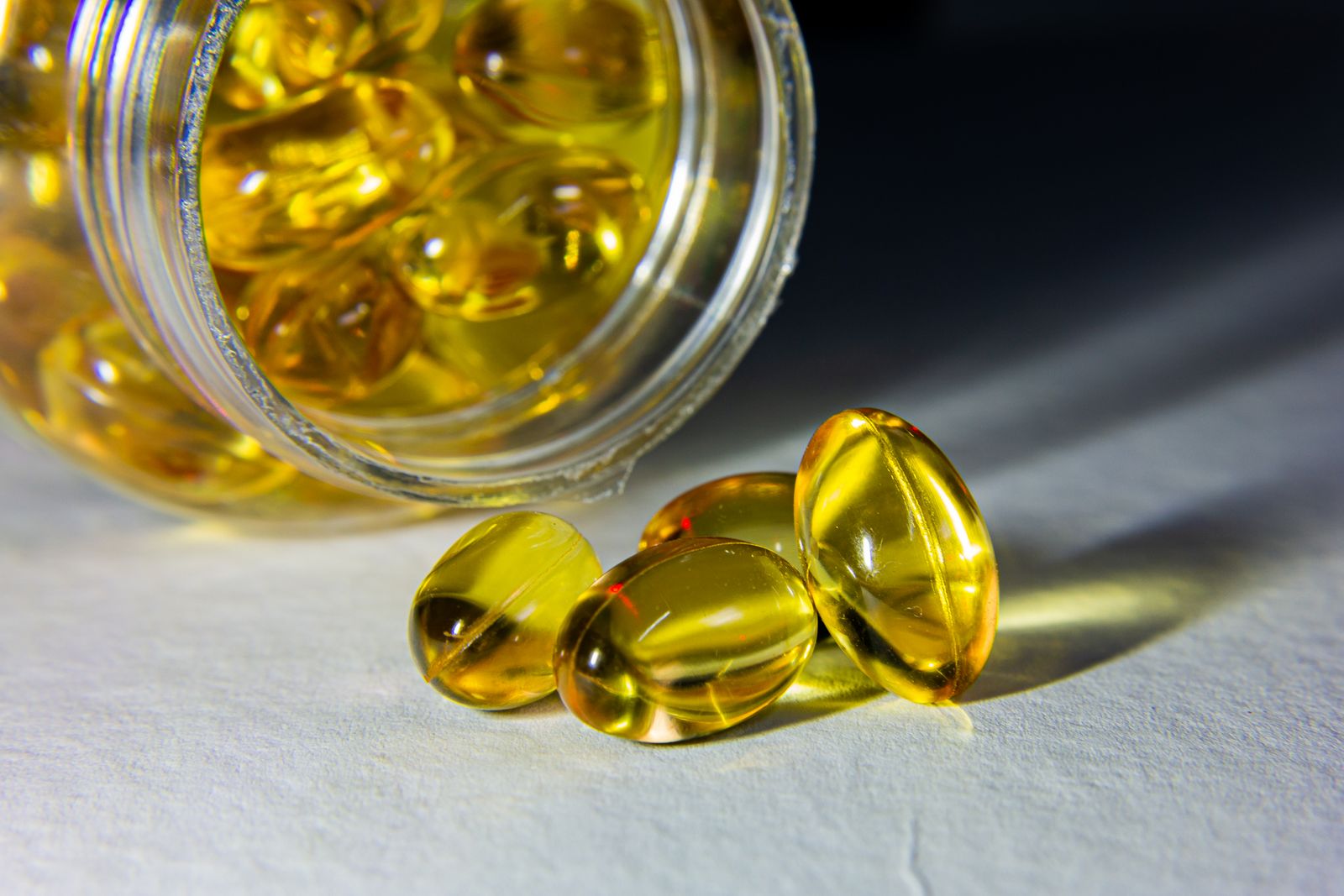
Vitamin D comes as softgels, tablets, capsules, gummies, sprays and liquid drops. Drops are handy for infants and children, and for people who want to adjust doses. Because vitamin D is fat-soluble, many people take it with a meal.
How to choose and dose a supplement
- Start with what you already get. Add up your multivitamin, calcium supplement, fortified foods and fish. Many people are already closer to the RDA than they think.
- For most healthy adults, 600 to 800 IU a day covers official needs, and up to 1,000 to 2,000 IU a day is a common, low-risk amount that stays well under the 4,000 IU UL. VITAL used 2,000 IU daily for five years without excess hypercalcemia (Manson et al., 2019).
- Prefer daily over big weekly or monthly doses, especially if you’re over 50 (Demay et al., 2024). Large intermittent doses have been linked to more falls and fractures in older adults (Sanders et al., 2010; Bischoff-Ferrari et al., 2016) and showed no benefit for infections in pooled analyses (Martineau et al., 2017).
- Read the units. Labels list mcg first. 25 mcg = 1,000 IU; 50 mcg = 2,000 IU; 125 mcg = 5,000 IU.
- Choose third-party tested products with a USP Verified, NSF Certified, or similar seal. Supplements aren’t approved by the FDA before sale, and actual content can vary.
- Go higher only with a plan. Doses above 4,000 IU a day can be appropriate to correct deficiency, but do it with a clinician who can check your level and calcium.
- Children are different. Use products made for infants or children and follow your pediatrician’s advice. Never give a child an adult-strength product.
Brands we may link to
We may link to vitamin D products from Thorne and Life Extension, and to multivitamins from Ritual that include vitamin D. We haven’t tested these products ourselves, and we’re not ranking them over other brands or over the store brand at your pharmacy. Some brands sell strengths of 5,000 IU or more per serving, which is above the adult upper limit on its own; use those only on a clinician’s advice. If you already take a multivitamin, check how much D it adds before buying a separate bottle.
Whatever you look at, check:
- the form (D2 or D3)
- the dose per serving in mcg and IU
- whether it would push your total past 4,000 IU
- whether there’s third-party certification on the label or product page
Prices, strengths and formulas change. Check the current label and price on the brand’s site before you buy.
Medication interactions
NIH ODS lists these interactions (NIH ODS, 2024):
- Orlistat (Xenical, Alli), a weight-loss drug, reduces fat absorption and can lower vitamin D absorption.
- Statins such as atorvastatin, lovastatin and simvastatin are processed by the same liver enzyme as vitamin D. Vitamin D may lower statin levels, and statins may affect vitamin D levels.
- Steroids such as prednisone can reduce calcium absorption and interfere with vitamin D metabolism.
- Thiazide diuretics such as hydrochlorothiazide reduce calcium excretion in the urine. Combined with vitamin D, this can raise the risk of hypercalcemia, especially in older adults or people with kidney problems.
Other medicines can also affect vitamin D. If you take any regular prescription, ask your pharmacist before adding vitamin D. It’s a quick, free conversation.
Toxicity: how much is too much?
Vitamin D toxicity is rare, but it’s real. It almost always comes from supplements, never from sun (NIH ODS, 2024).
What happens
Too much vitamin D makes you absorb too much calcium, leading to hypercalcemia (high blood calcium, above about 11.1 mg/dL). Toxicity is usually seen with 25(OH)D levels above 150 ng/mL (375 nmol/L) (NIH ODS, 2024; Marcinowska-Suchowierska et al., 2018). Symptoms can include (NIH ODS, 2024):
- nausea, vomiting, loss of appetite and constipation
- muscle weakness, fatigue and confusion
- excessive thirst and urination, and dehydration
- kidney stones and kidney damage
- abnormal heart rhythms
- calcium deposits in soft tissues, including blood vessels
In severe cases, untreated toxicity can lead to kidney failure and death (Wacker & Holick, 2013). Reported cases have involved extreme intakes. For example, Wacker and Holick describe adults who took up to 1 million IU a day for months and reached levels above 500 ng/mL (Wacker & Holick, 2013).
Lower-level concerns
Even below the toxic range, more isn’t always better. The Food and Nutrition Board flags possible harm above 50 ng/mL, especially above 60 ng/mL (NIH ODS, 2024). In the Women’s Health Initiative, women taking calcium plus 400 IU of vitamin D a day had a 17% higher rate of kidney stones (NIH ODS, 2024). And the high-bolus trials discussed above showed more falls, fractures and, in D-Health’s later years, possibly more cancer deaths (Sanders et al., 2010; Neale et al., 2022).
People who are unusually sensitive
Some people can develop high calcium on doses that are safe for most (Marcinowska-Suchowierska et al., 2018; Schlingmann et al., 2011):
- Granulomatous diseases such as sarcoidosis, where immune cells can make active vitamin D outside the kidney’s control
- Williams syndrome and CYP24A1 mutations, which impair the breakdown of active vitamin D
- Kidney disease, where vitamin D needs individual medical management
If you have any of these, talk to your specialist before taking vitamin D.
Frequently asked questions
Can I get enough from the sun?
In summer, at moderate latitudes, many people with lighter skin can make plenty with short midday exposures. In Boston (42°N), winter sun from November through February made no vitamin D in testing (Webb et al., 1988). Darker skin, older age, sunscreen and clothing all reduce production.
Is 5,000 or 10,000 IU a day safe?
Above the 4,000 IU UL, safety depends on your starting level, body size and health, and how long you take it. Some people use these doses short term under medical supervision to correct deficiency. Taking them long term without testing isn’t advised. In one trial, 10,000 IU a day for three years was linked to slightly lower wrist bone density (Burt et al., 2019).
Should I take vitamin K2 or magnesium with it?
There’s a biological rationale for both (van Ballegooijen et al., 2017; Dai et al., 2018), but no large trials showing better outcomes from adding them. Magnesium is reasonable if your diet is low in it. If you take warfarin, talk to your prescriber before taking vitamin K.
Does vitamin D prevent colds, flu or COVID-19?
Daily vitamin D may slightly reduce respiratory infections, mostly in people who are low, but the effect is small and has weakened in newer analyses (Jolliffe et al., 2025). Good trials found no benefit for COVID-19 (Murai et al., 2021; Jolliffe et al., 2022).
What should breastfed babies get?
The American Academy of Pediatrics recommends 400 IU a day for breastfed and partially breastfed infants (NIH ODS, 2024). Use an infant product and follow your pediatrician’s guidance.
The bottom line
Vitamin D went from mystery to vitamin to hormone, and from miracle to scare and back again. Here’s what the evidence supports today:
- Avoiding deficiency matters. It protects bones, and it’s especially important for infants, children, older adults, pregnant people, and anyone who gets little sun.
- For healthy adults who aren’t deficient, extra vitamin D hasn’t prevented most chronic diseases in large trials, including cancer, heart disease, fractures and depression.
- Some benefits look real but modest. These include fewer autoimmune diagnoses in VITAL, lower diabetes risk in prediabetes, possibly fewer cancer deaths with daily dosing, and possibly a small drop in respiratory infections.
- Daily beats big boluses.
- There’s a serious minority view that official intakes are too low and that some sun is healthier than none. That view rests on statistical reanalyses and observational studies, and it hasn’t been settled.
- More isn’t automatically better. Stay within 4,000 IU a day unless a clinician is monitoring you, and never try a very-high-dose protocol on your own.
For most people, a sensible plan is some safe sun when you can, vitamin D–rich foods, and a modest daily D3 supplement if you’re in a higher-risk group or live far from the equator. Talk to your doctor if you have any of the conditions above, take prescription medicines, or want to aim higher.
Sources
- Steenbock H. Antirachitic product and process. US Patent 1,680,818. Filed 1924, granted 1928. https://patents.google.com/patent/US1680818A/en
- Rajakumar K. Vitamin D, cod-liver oil, sunlight, and rickets: a historical perspective. Pediatrics. 2003;112(2):e132-5. https://pubmed.ncbi.nlm.nih.gov/12897318/
- Deluca HF. History of the discovery of vitamin D and its active metabolites. Bonekey Rep. 2014;3:479. https://pubmed.ncbi.nlm.nih.gov/24466410/
- Wacker M, Holick MF. Sunlight and Vitamin D: A global perspective for health. Dermatoendocrinol. 2013;5(1):51-108. https://pubmed.ncbi.nlm.nih.gov/24494042/
- Mellanby E. An experimental investigation on rickets. Lancet. 1919;193(4985):407-412. https://doi.org/10.1016/s0140-6736(01)25465-8
- McCollum EV, Simmonds N, Becker JE, Shipley PG. Studies on experimental rickets. XXI. An experimental demonstration of the existence of a vitamin which promotes calcium deposition. J Biol Chem. 1922;53(2):293-312. https://doi.org/10.1016/s0021-9258(18)85783-0
- Wisconsin Alumni Research Foundation. History of WARF. https://www.warf.org/about-warf/history/
- The Nobel Prize in Chemistry 1928: Adolf Windaus. NobelPrize.org. https://www.nobelprize.org/prizes/chemistry/1928/summary/
- National Institutes of Health, Office of Dietary Supplements. Vitamin D: Fact Sheet for Health Professionals. https://ods.od.nih.gov/factsheets/VitaminD-HealthProfessional/
- Schlingmann KP, et al. Mutations in CYP24A1 and idiopathic infantile hypercalcemia. N Engl J Med. 2011;365(5):410-21. https://pubmed.ncbi.nlm.nih.gov/21675912/
- Blunt JW, DeLuca HF, Schnoes HK. 25-hydroxycholecalciferol. A biologically active metabolite of vitamin D3. Biochemistry. 1968;7(10):3317-22. https://pubmed.ncbi.nlm.nih.gov/4300699/
- Holick MF, Schnoes HK, DeLuca HF. Identification of 1,25-dihydroxycholecalciferol, a form of vitamin D3 metabolically active in the intestine. Proc Natl Acad Sci U S A. 1971;68(4):803-4. https://pubmed.ncbi.nlm.nih.gov/4323790/
- Fraser DR, Kodicek E. Unique biosynthesis by kidney of a biological active vitamin D metabolite. Nature. 1970;228(5273):764-6. https://pubmed.ncbi.nlm.nih.gov/4319631/
- Holick MF, et al. Photosynthesis of previtamin D3 in human skin and the physiologic consequences. Science. 1980;210(4466):203-5. https://pubmed.ncbi.nlm.nih.gov/6251551/
- Holick MF. Vitamin D deficiency. N Engl J Med. 2007;357(3):266-81. https://pubmed.ncbi.nlm.nih.gov/17634462/
- US Preventive Services Task Force. Vitamin D Deficiency in Adults: Screening. Final Recommendation Statement. April 13, 2021. https://www.uspreventiveservicestaskforce.org/uspstf/recommendation/vitamin-d-deficiency-screening
- Manson JE, et al. Vitamin D Deficiency – Is There Really a Pandemic? N Engl J Med. 2016;375(19):1817-1820. https://pubmed.ncbi.nlm.nih.gov/27959647/
- Webb AR, Kline L, Holick MF. Influence of season and latitude on the cutaneous synthesis of vitamin D3: exposure to winter sunlight in Boston and Edmonton will not promote vitamin D3 synthesis in human skin. J Clin Endocrinol Metab. 1988;67(2):373-8. https://pubmed.ncbi.nlm.nih.gov/2839537/
- Christakos S, et al. Vitamin D: Metabolism, Molecular Mechanism of Action, and Pleiotropic Effects. Physiol Rev. 2016;96(1):365-408. https://pubmed.ncbi.nlm.nih.gov/26681795/
- Bouillon R, et al. Vitamin D and human health: lessons from vitamin D receptor null mice. Endocr Rev. 2008;29(6):726-76. https://pubmed.ncbi.nlm.nih.gov/18694980/
- Armas LA, Hollis BW, Heaney RP. Vitamin D2 is much less effective than vitamin D3 in humans. J Clin Endocrinol Metab. 2004;89(11):5387-91. https://pubmed.ncbi.nlm.nih.gov/15531486/
- Heaney RP, et al. Vitamin D(3) is more potent than vitamin D(2) in humans. J Clin Endocrinol Metab. 2011;96(3):E447-52. https://pubmed.ncbi.nlm.nih.gov/21177785/
- Tripkovic L, et al. Comparison of vitamin D2 and vitamin D3 supplementation in raising serum 25-hydroxyvitamin D status: a systematic review and meta-analysis. Am J Clin Nutr. 2012;95(6):1357-64. https://pubmed.ncbi.nlm.nih.gov/22552031/
- Ross AC, et al. The 2011 report on dietary reference intakes for calcium and vitamin D from the Institute of Medicine: what clinicians need to know. J Clin Endocrinol Metab. 2011;96(1):53-8. https://pubmed.ncbi.nlm.nih.gov/21118827/
- Holick MF, et al. Evaluation, treatment, and prevention of vitamin D deficiency: an Endocrine Society clinical practice guideline. J Clin Endocrinol Metab. 2011;96(7):1911-30. https://pubmed.ncbi.nlm.nih.gov/21646368/
- Demay MB, et al. Vitamin D for the Prevention of Disease: An Endocrine Society Clinical Practice Guideline. J Clin Endocrinol Metab. 2024;109(8):1907-1947. https://pubmed.ncbi.nlm.nih.gov/38828931/
- Forrest KY, Stuhldreher WL. Prevalence and correlates of vitamin D deficiency in US adults. Nutr Res. 2011;31(1):48-54. https://pubmed.ncbi.nlm.nih.gov/21310306/
- Cashman KD, et al. Vitamin D deficiency in Europe: pandemic? Am J Clin Nutr. 2016;103(4):1033-44. https://pubmed.ncbi.nlm.nih.gov/26864360/
- Wortsman J, et al. Decreased bioavailability of vitamin D in obesity. Am J Clin Nutr. 2000;72(3):690-3. https://pubmed.ncbi.nlm.nih.gov/10966885/
- Ekwaru JP, et al. The importance of body weight for the dose response relationship of oral vitamin D supplementation and serum 25-hydroxyvitamin D in healthy volunteers. PLoS One. 2014;9(11):e111265. https://pubmed.ncbi.nlm.nih.gov/25372709/
- Vieth R. Vitamin D supplementation, 25-hydroxyvitamin D concentrations, and safety. Am J Clin Nutr. 1999;69(5):842-56. https://pubmed.ncbi.nlm.nih.gov/10232622/
- Manson JE, et al. Vitamin D Supplements and Prevention of Cancer and Cardiovascular Disease. N Engl J Med. 2019;380(1):33-44. https://pubmed.ncbi.nlm.nih.gov/30415629/
- Neale RE, et al. The D-Health Trial: a randomised controlled trial of the effect of vitamin D on mortality. Lancet Diabetes Endocrinol. 2022;10(2):120-128. https://pubmed.ncbi.nlm.nih.gov/35026158/
- Scragg R, et al. Effect of Monthly High-Dose Vitamin D Supplementation on Cardiovascular Disease in the Vitamin D Assessment Study : A Randomized Clinical Trial. JAMA Cardiol. 2017;2(6):608-616. https://pubmed.ncbi.nlm.nih.gov/28384800/
- Bischoff-Ferrari HA, et al. Effect of Vitamin D Supplementation, Omega-3 Fatty Acid Supplementation, or a Strength-Training Exercise Program on Clinical Outcomes in Older Adults: The DO-HEALTH Randomized Clinical Trial. JAMA. 2020;324(18):1855-1868. https://pubmed.ncbi.nlm.nih.gov/33170239/
- Bolland MJ, Grey A, Avenell A. Effects of vitamin D supplementation on musculoskeletal health: a systematic review, meta-analysis, and trial sequential analysis. Lancet Diabetes Endocrinol. 2018;6(11):847-858. https://pubmed.ncbi.nlm.nih.gov/30293909/
- LeBoff MS, et al. Supplemental Vitamin D and Incident Fractures in Midlife and Older Adults. N Engl J Med. 2022;387(4):299-309. https://pubmed.ncbi.nlm.nih.gov/35939577/
- Burt LA, et al. Effect of High-Dose Vitamin D Supplementation on Volumetric Bone Density and Bone Strength: A Randomized Clinical Trial. JAMA. 2019;322(8):736-745. https://pubmed.ncbi.nlm.nih.gov/31454046/
- Sanders KM, et al. Annual high-dose oral vitamin D and falls and fractures in older women: a randomized controlled trial. JAMA. 2010;303(18):1815-22. https://pubmed.ncbi.nlm.nih.gov/20460620/
- Bischoff-Ferrari HA, et al. Monthly High-Dose Vitamin D Treatment for the Prevention of Functional Decline: A Randomized Clinical Trial. JAMA Intern Med. 2016;176(2):175-83. https://pubmed.ncbi.nlm.nih.gov/26747333/
- Martineau AR, et al. Vitamin D supplementation to prevent acute respiratory tract infections: systematic review and meta-analysis of individual participant data. BMJ. 2017;356:i6583. https://pubmed.ncbi.nlm.nih.gov/28202713/
- Jolliffe DA, et al. Vitamin D supplementation to prevent acute respiratory infections: a systematic review and meta-analysis of aggregate data from randomised controlled trials. Lancet Diabetes Endocrinol. 2021;9(5):276-292. https://pubmed.ncbi.nlm.nih.gov/33798465/
- Jolliffe DA, et al. Vitamin D supplementation to prevent acute respiratory infections: systematic review and meta-analysis of stratified aggregate data. Lancet Diabetes Endocrinol. 2025;13(4):307-320. https://pubmed.ncbi.nlm.nih.gov/39993397/
- Entrenas Castillo M, et al. Effect of calcifediol treatment and best available therapy versus best available therapy on intensive care unit admission and mortality among patients hospitalized for COVID-19: A pilot randomized clinical study”. J Steroid Biochem Mol Biol. 2020;203:105751. https://pubmed.ncbi.nlm.nih.gov/32871238/
- Murai IH, et al. Effect of a Single High Dose of Vitamin D3 on Hospital Length of Stay in Patients With Moderate to Severe COVID-19: A Randomized Clinical Trial. JAMA. 2021;325(11):1053-1060. https://pubmed.ncbi.nlm.nih.gov/33595634/
- Jolliffe DA, et al. Effect of a test-and-treat approach to vitamin D supplementation on risk of all cause acute respiratory tract infection and covid-19: phase 3 randomised controlled trial (CORONAVIT). BMJ. 2022;378:e071230. https://pubmed.ncbi.nlm.nih.gov/36215226/
- Hahn J, et al. Vitamin D and marine omega 3 fatty acid supplementation and incident autoimmune disease: VITAL randomized controlled trial. BMJ. 2022;376:e066452. https://pubmed.ncbi.nlm.nih.gov/35082139/
- Costenbader KH, et al. Vitamin D and Marine n-3 Fatty Acids for Autoimmune Disease Prevention: Outcomes Two Years After Completion of a Double-Blind, Placebo-Controlled Trial. Arthritis Rheumatol. 2024;76(6):973-983. https://pubmed.ncbi.nlm.nih.gov/38272846/
- Munger KL, et al. Serum 25-hydroxyvitamin D levels and risk of multiple sclerosis. JAMA. 2006;296(23):2832-8. https://pubmed.ncbi.nlm.nih.gov/17179460/
- Ascherio A, et al. Vitamin D as an early predictor of multiple sclerosis activity and progression. JAMA Neurol. 2014;71(3):306-14. https://pubmed.ncbi.nlm.nih.gov/24445558/
- Thouvenot E, et al. High-Dose Vitamin D in Clinically Isolated Syndrome Typical of Multiple Sclerosis: The D-Lay MS Randomized Clinical Trial. JAMA. 2025;333(16):1413-1422. https://pubmed.ncbi.nlm.nih.gov/40063041/
- Keum N, et al. Vitamin D supplementation and total cancer incidence and mortality: a meta-analysis of randomized controlled trials. Ann Oncol. 2019;30(5):733-743. https://pubmed.ncbi.nlm.nih.gov/30796437/
- Zhang Y, et al. Association between vitamin D supplementation and mortality: systematic review and meta-analysis. BMJ. 2019;366:l4673. https://pubmed.ncbi.nlm.nih.gov/31405892/
- Kuznia S, et al. Efficacy of vitamin D(3) supplementation on cancer mortality: Systematic review and individual patient data meta-analysis of randomised controlled trials. Ageing Res Rev. 2023;87:101923. https://pubmed.ncbi.nlm.nih.gov/37004841/
- Barbarawi M, et al. Vitamin D Supplementation and Cardiovascular Disease Risks in More Than 83 000 Individuals in 21 Randomized Clinical Trials: A Meta-analysis. JAMA Cardiol. 2019;4(8):765-776. https://pubmed.ncbi.nlm.nih.gov/31215980/
- Thompson B, et al. Vitamin D supplementation and major cardiovascular events: D-Health randomised controlled trial. BMJ. 2023;381:e075230. https://pubmed.ncbi.nlm.nih.gov/37380191/
- Zhou A, Selvanayagam JB, Hyppönen E. Non-linear Mendelian randomization analyses support a role for vitamin D deficiency in cardiovascular disease risk. Eur Heart J. 2022;43(18):1731-1739. https://pubmed.ncbi.nlm.nih.gov/34891159/
- Pittas AG, et al. Vitamin D Supplementation and Prevention of Type 2 Diabetes. N Engl J Med. 2019;381(6):520-530. https://pubmed.ncbi.nlm.nih.gov/31173679/
- Pittas AG, et al. Vitamin D and Risk for Type 2 Diabetes in People With Prediabetes : A Systematic Review and Meta-analysis of Individual Participant Data From 3 Randomized Clinical Trials. Ann Intern Med. 2023;176(3):355-363. https://pubmed.ncbi.nlm.nih.gov/36745886/
- Okereke OI, et al. Effect of Long-term Vitamin D3 Supplementation vs Placebo on Risk of Depression or Clinically Relevant Depressive Symptoms and on Change in Mood Scores: A Randomized Clinical Trial. JAMA. 2020;324(5):471-480. https://pubmed.ncbi.nlm.nih.gov/32749491/
- Hollis BW, et al. Vitamin D supplementation during pregnancy: double-blind, randomized clinical trial of safety and effectiveness. J Bone Miner Res. 2011;26(10):2341-57. https://pubmed.ncbi.nlm.nih.gov/21706518/
- Palacios C, Kostiuk LK, Peña-Rosas JP. Vitamin D supplementation for women during pregnancy. Cochrane Database Syst Rev. 2019;7(7):CD008873. https://pubmed.ncbi.nlm.nih.gov/31348529/
- Cooper C, et al. Maternal gestational vitamin D supplementation and offspring bone health (MAVIDOS): a multicentre, double-blind, randomised placebo-controlled trial. Lancet Diabetes Endocrinol. 2016;4(5):393-402. https://pubmed.ncbi.nlm.nih.gov/26944421/
- Veugelers PJ, Ekwaru JP. A statistical error in the estimation of the recommended dietary allowance for vitamin D. Nutrients. 2014;6(10):4472-5. https://pubmed.ncbi.nlm.nih.gov/25333201/
- Heaney R, et al. Letter to Veugelers, P.J. and Ekwaru, J.P., A statistical error in the estimation of the recommended dietary allowance for vitamin D. Nutrients 2014, 6, 4472-4475; doi:10.3390/nu6104472. Nutrients. 2015;7(3):1688-90. https://pubmed.ncbi.nlm.nih.gov/25763527/
- Heaney RP, et al. Human serum 25-hydroxycholecalciferol response to extended oral dosing with cholecalciferol. Am J Clin Nutr. 2003;77(1):204-10. https://pubmed.ncbi.nlm.nih.gov/12499343/
- Luxwolda MF, et al. Traditionally living populations in East Africa have a mean serum 25-hydroxyvitamin D concentration of 115 nmol/l. Br J Nutr. 2012;108(9):1557-61. https://pubmed.ncbi.nlm.nih.gov/22264449/
- Jablonski NG, Chaplin G. Colloquium paper: human skin pigmentation as an adaptation to UV radiation. Proc Natl Acad Sci U S A. 2010;107 Suppl 2(Suppl 2):8962-8. https://pubmed.ncbi.nlm.nih.gov/20445093/
- Lindqvist PG, et al. Avoidance of sun exposure is a risk factor for all-cause mortality: results from the Melanoma in Southern Sweden cohort. J Intern Med. 2014;276(1):77-86. https://pubmed.ncbi.nlm.nih.gov/24697969/
- Lindqvist PG, et al. Avoidance of sun exposure as a risk factor for major causes of death: a competing risk analysis of the Melanoma in Southern Sweden cohort. J Intern Med. 2016;280(4):375-87. https://pubmed.ncbi.nlm.nih.gov/26992108/
- Grant WB. An estimate of premature cancer mortality in the U.S. due to inadequate doses of solar ultraviolet-B radiation. Cancer. 2002;94(6):1867-75. https://pubmed.ncbi.nlm.nih.gov/11920550/
- Grant WB, Garland CF, Holick MF. Comparisons of estimated economic burdens due to insufficient solar ultraviolet irradiance and vitamin D and excess solar UV irradiance for the United States. Photochem Photobiol. 2005;81(6):1276-86. https://pubmed.ncbi.nlm.nih.gov/16159309/
- Lappe JM, et al. Vitamin D and calcium supplementation reduces cancer risk: results of a randomized trial. Am J Clin Nutr. 2007;85(6):1586-91. https://pubmed.ncbi.nlm.nih.gov/17556697/
- Lappe J, et al. Effect of Vitamin D and Calcium Supplementation on Cancer Incidence in Older Women: A Randomized Clinical Trial. JAMA. 2017;317(12):1234-1243. https://pubmed.ncbi.nlm.nih.gov/28350929/
- Hyppönen E, et al. Intake of vitamin D and risk of type 1 diabetes: a birth-cohort study. Lancet. 2001;358(9292):1500-3. https://pubmed.ncbi.nlm.nih.gov/11705562/
- Liu PT, et al. Toll-like receptor triggering of a vitamin D-mediated human antimicrobial response. Science. 2006;311(5768):1770-3. https://pubmed.ncbi.nlm.nih.gov/16497887/
- Hossein-nezhad A, Spira A, Holick MF. Influence of vitamin D status and vitamin D3 supplementation on genome wide expression of white blood cells: a randomized double-blind clinical trial. PLoS One. 2013;8(3):e58725. https://pubmed.ncbi.nlm.nih.gov/23527013/
- Zhu H, et al. Vitamin D(3) and marine ω-3 fatty acids supplementation and leukocyte telomere length: 4-year findings from the VITamin D and OmegA-3 TriaL (VITAL) randomized controlled trial. Am J Clin Nutr. 2025;122(1):39-47. https://pubmed.ncbi.nlm.nih.gov/40409468/
- Bischoff-Ferrari HA, et al. Individual and additive effects of vitamin D, omega-3 and exercise on DNA methylation clocks of biological aging in older adults from the DO-HEALTH trial. Nat Aging. 2025;5(3):376-385. https://pubmed.ncbi.nlm.nih.gov/39900648/
- van Ballegooijen AJ, et al. The Synergistic Interplay between Vitamins D and K for Bone and Cardiovascular Health: A Narrative Review. Int J Endocrinol. 2017;2017:7454376. https://pubmed.ncbi.nlm.nih.gov/29138634/
- Uwitonze AM, Razzaque MS. Role of Magnesium in Vitamin D Activation and Function. J Am Osteopath Assoc. 2018;118(3):181-189. https://pubmed.ncbi.nlm.nih.gov/29480918/
- Dai Q, et al. Magnesium status and supplementation influence vitamin D status and metabolism: results from a randomized trial. Am J Clin Nutr. 2018;108(6):1249-1258. https://pubmed.ncbi.nlm.nih.gov/30541089/
- Finamor DC, et al. A pilot study assessing the effect of prolonged administration of high daily doses of vitamin D on the clinical course of vitiligo and psoriasis. Dermatoendocrinol. 2013;5(1):222-34. https://pubmed.ncbi.nlm.nih.gov/24494059/
- Amon U, et al. Safety Data in Patients with Autoimmune Diseases during Treatment with High Doses of Vitamin D3 According to the “Coimbra Protocol”. Nutrients. 2022;14(8). https://pubmed.ncbi.nlm.nih.gov/35458137/
- Marcinowska-Suchowierska E, et al. Vitamin D Toxicity-A Clinical Perspective. Front Endocrinol (Lausanne). 2018;9:550. https://pubmed.ncbi.nlm.nih.gov/30294301/
Written by Mbatia Tony Muitungu. Read how we research and update articles in our Editorial Policy.